Does Shark Cartilage Benefit People with Breast Cancer?
For years, shark cartilage supplements have been promoted as a way to boost the immune system, lower inflammation, and even to slow the growth of cancer. No clinical studies show that shark cartilage has any effect on breast cancer or any other cancer.
Some of the interest in shark cartilage as an alternative cancer treatment comes from the fact that it doesn’t have blood vessels. Tumors rely on new blood vessels being formed in the body (a natural process called angiogenesis). Some researchers thought that using tissue from shark cartilage could block the growth of new blood vessels and slow down the spread of cancer.
Though shark cartilage extract did show some antitumor activities in lab studies, it didn’t have the same results when tested in people.
Key takeaways:
In some lab studies in cells and animals, shark cartilage showed some antitumor potential. It did not have the same results in people.
Because there’s no scientific proof that shark cartilage can slow or stop tumor growth, experts do not recommend that people with breast cancer take the supplement.
The risks of taking shark cartilage include gastrointestinal side effects, low blood sugar, and liver problems — and since it can raise calcium levels, you shouldn’t take it if you have bone metastases.
What the research shows
There have only been a handful of small studies on shark cartilage supplementation in people.
In one study of 83 people with breast or colorectal cancer, those who received standard care plus a shark cartilage product didn’t live longer than those who got standard care plus a placebo.
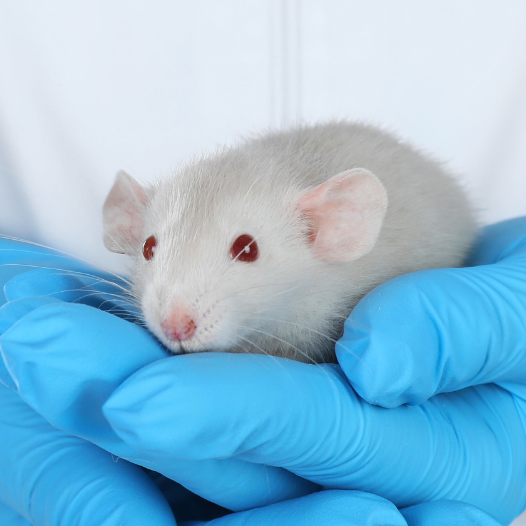
Lab studies have shown some positive results. For example, one small study in mice showed that using an oral supplement of shark cartilage slowed tumor growth, but did not stop it altogether. But again, those results have not been replicated in people.
A note about animal and cell studies
Studies in cells and animals are called preclinical studies because they’re done before any studies involving people. They are critical to developing new treatments for breast cancer. But just because a treatment works in a test tube or a mouse doesn't mean it will work in people. When a treatment enters a human body, it interacts with various systems, including the immune system. Experiments on cancer cells in a dish or a mouse can’t replicate those human conditions. This is why early results from preclinical studies can be promising and exciting, but don’t always lead to new treatments for people.
Is it safe for people with breast cancer to take shark cartilage?
Like most supplements, shark cartilage extract is not regulated by the FDA. And because supplement manufacturers are not required by the FDA to do third-party testing, contamination with heavy metals or harmful bacteria is possible. Supplement products may also contain very little of the active ingredient; they may be mostly filler ingredients, such as rice flour.
Shark cartilage supplements may also cause nausea, vomiting, diarrhea, constipation, loss of appetite, low blood sugar, and — rarely — fever and jaundice, which could point to liver problems.
There are no known interactions with shark cartilage and cancer medications, but since it can raise calcium levels and increase the risk of hypercalcemia (high levels of calcium in the blood), people with bone metastases — already at a higher risk of hypercalcemia — should not take shark cartilage supplements.
Doctors and medical experts won’t recommend that you take shark cartilage supplements, but there is no official warning against the supplement for people in treatment for breast cancer. Always talk to your doctor before taking any new supplements, especially during treatment.