Self-Administered Hypnosis Eases Hot Flashes

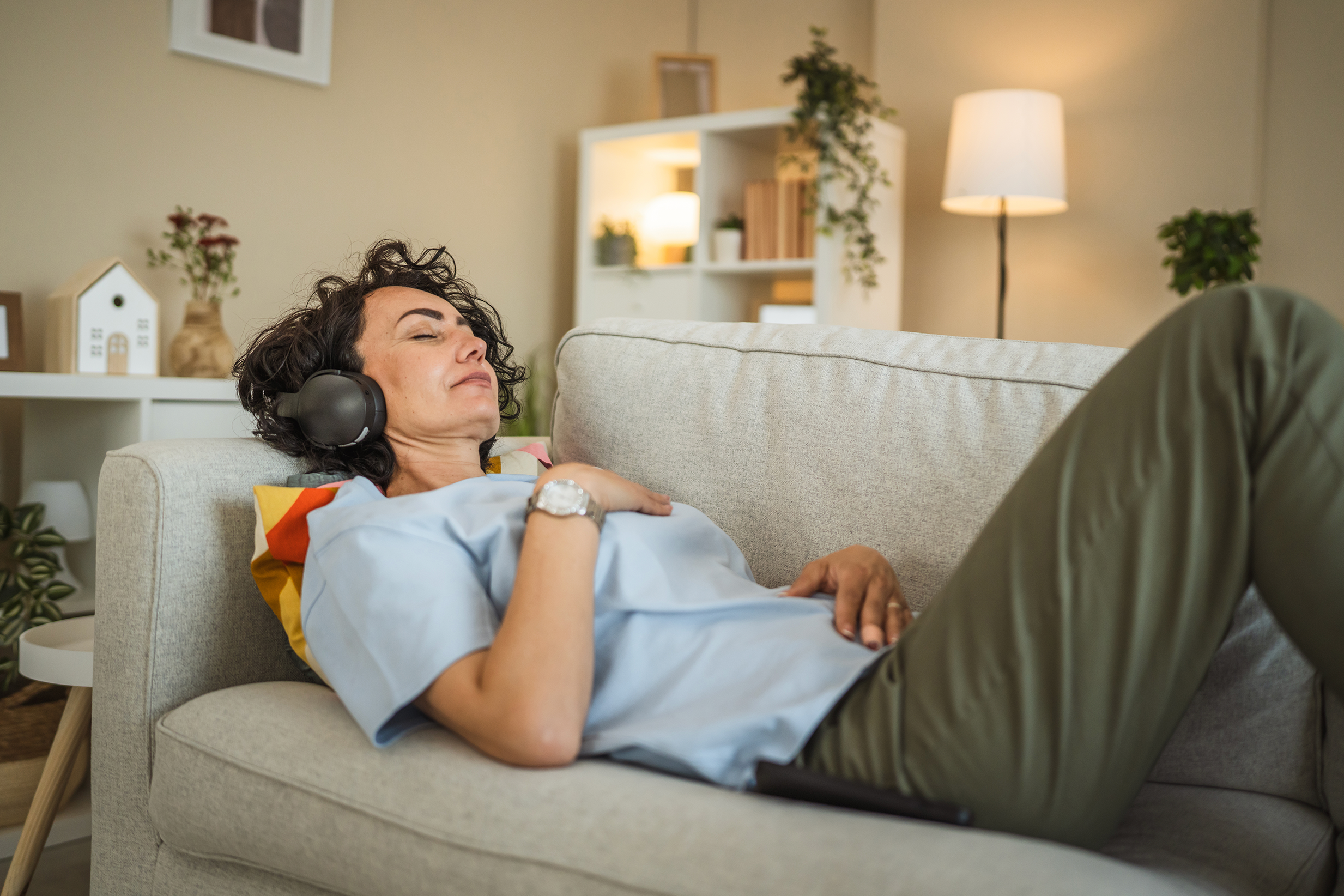
Hot flashes, whether caused by getting older or breast cancer treatments, can be miserable for some people. New research suggests that listening to an audio recording that promotes deep relaxation and concentration (called self-hypnosis) may help to ease hot flashes.
Up to 80% of people who go through menopause experience hot flashes. While hormone replacement therapy can be used to treat these symptoms, other options are needed for people who can’t or don’t want to take hormones, said Gary Elkins, PhD, lead author and director of the Mind-Body Medicine Research Lab at Baylor University, in a statement.
One alternative treatment is hypnosis — not a man dangling a pocket watch in front of your eyes to put you in a trance, but a therapist guiding you to imagine certain images that cool the body. Studies show this form of deep relaxation can reduce the intensity of hot flashes, but hypnosis isn’t available to everyone. It may be hard to find a therapist trained in hypnosis, or treatments may be too expensive.
To test if listening to a guided hypnosis exercise could have the same effect, Elkins led a small clinical trial of 250 postmenopausal women who experienced hot flashes. About 25% of the women had a history of breast cancer.
The participants were randomly assigned to the treatment group, which listened to a 20-minute audio hypnosis exercise daily for six weeks, or the control group, which listened to white noise for 20 minutes daily for six weeks. The hypnosis program included an audio recording that encouraged participants to relax while imagining certain images that cool the body down.
After six weeks, the participants who listened to the hypnosis recording had a 53% reduction in the amount and intensity of hot flashes, compared to a 41% in the group that listened to white noise. Self-guided hypnosis was even more useful for women with a history of breast cancer — 64% noted a reduction in hot flashes. At the three-month follow-up, participants who used hypnosis continued to report improvements in hot flashes, sleep, mood, concentration, and quality of life compared to the control group.
Self-guided hypnosis “can be practiced at home without needing to travel for doctor visits, and it is relatively inexpensive compared to in-person sessions,” Elkins said. “It can be used for other purposes, such as managing anxiety, coping with pain, and stress management.”
Elkins and his team hope to use this tool to improve other symptoms related to breast cancer or menopause, including helping people sleep better.