Chemicals at Work May Increase Breast Cancer Risk for Immigrants

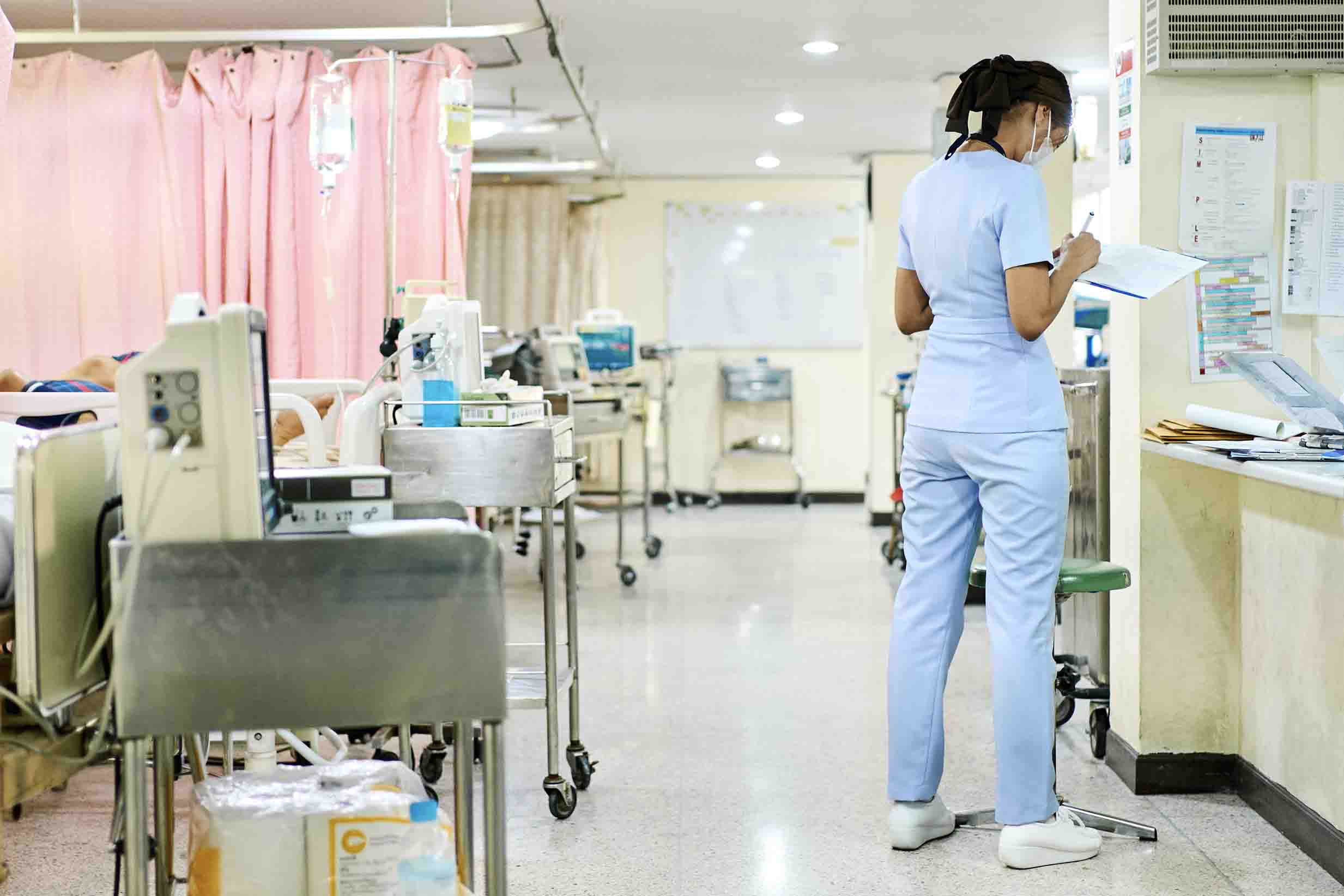
Common jobs for immigrant women in the U.S. — including nurses and house cleaners — are tied to high chemical exposures linked to breast cancer, according to new research. The study highlights the need for more research into workplace exposures and breast cancer, as well as policies and protections for immigrant workers.
Researchers have long been interested in studying how certain workplaces may increase someone’s chances of developing cancer. The idea is that working around certain chemicals every day may have long-term health consequences for workers. At certain exposures, some common chemicals can damage cell DNA, making them more likely to become cancerous. Other chemicals can disrupt hormones in the body, increasing the risk of estrogen receptor-positive breast cancer.
“Most occupational health research has focused on men, leaving a significant knowledge gap in what we know about the risks for women, especially immigrant women,” said Kristin Knox, PhD, lead author of the study, in a press release. Knox is a research scientist at the Silent Spring Institute, a research nonprofit focused on the links between chemical exposures and breast cancer.
For the study, Knox and her team assessed the workplace information of about 116,000 immigrant women between the ages of 16 and 65 who lived in the U.S., zeroing in on the most common jobs that the women held.
Next, her team identified the kinds of chemicals linked to breast cancer that may be present at these jobs, using data from the state-funded Women’s Occupations and Risk from Chemicals Project in California — a research project that collects data on chemical exposures at work. In total, 24 groups of chemicals are linked to breast cancer in some way, including phthalates, parabens, pesticides, and plastics.
The jobs with the highest chemical exposures include house cleaners, nurses, janitors, and home health aides — four of the top six most common jobs held by immigrant women. For instance, the researchers found that house cleaners are likely exposed to six groups of breast cancer-linked chemicals like hormone-disrupting phthalates and alkyphenols, while nurses are regularly exposed to four groups of these chemicals.
Immigrant women who had less education and spoke limited English worked jobs with higher chemical exposures. “Immigrant women face unique barriers to avoiding toxic exposures at work — including language barriers and fear of speaking out due to undocumented status or job insecurity,” said co-author Erin Carerra, RN, a nurse at the University of California, San Francisco, in a press release.
This project didn’t study or show a relationship between exposure and actual breast cancer occurrence, but the findings are a first step in understanding the workplace risks for breast cancer this population faces. As a next phase in their research, Knox and her team will analyze urine samples and data from silicone wristbands worn by the participants that will track chemicals in the air. The researchers will also conduct interviews with the women to better understand the chemicals they deal with while at work.
“It’s important to understand the health risks they face,” says Carerra, “so we can ensure all workers, regardless of background, are protected from harmful chemicals that could make them sick.”