Eating More Ultra-Processed Food Affects Women's Survival From Breast Cancer

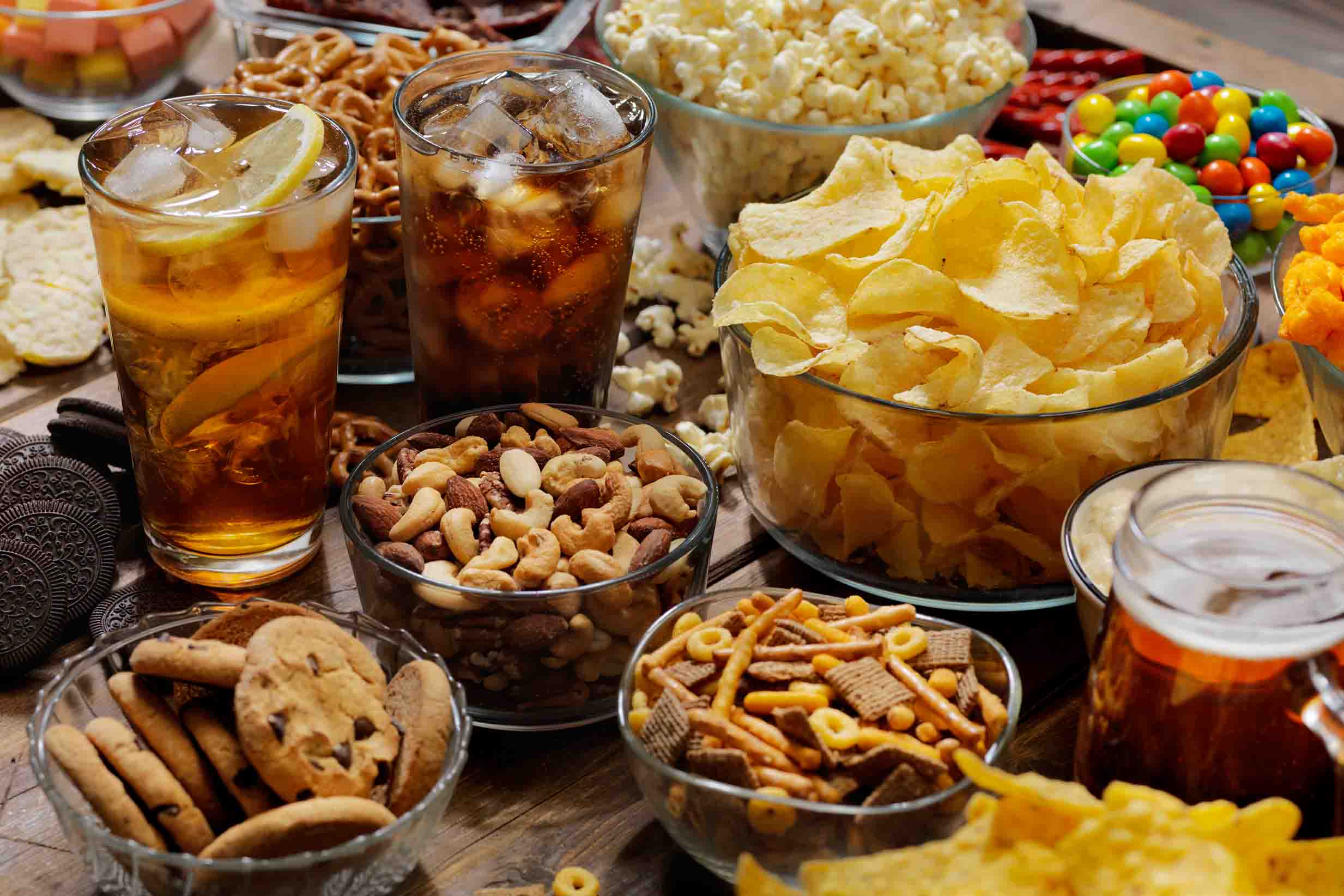
There are many studies showing that ultra-processed foods, like cheese doodles and sweetened juices, are bad for your health and may increase the risk of breast cancer. Now a study has found that Black women with a history of breast cancer who ate the most ultra-processed foods before being diagnosed with breast cancer were 40% more likely to die from the disease than those who ate the fewest ultra-processed foods.
“Studies like this make it clear that diet doesn’t stop mattering once breast cancer is diagnosed and may directly shape survivorship,” said Tracy Crane, PhD, RDN, associate professor of medical oncology at the Sylvester Comprehensive Cancer Center at the University of Miami, who was not part of the study.
According to Crane, ultra-processed foods add inflammation and more stress to the body at a time when it’s already under stress. Eating a healthy diet full of minimally processed foods — think whole fruits and vegetables or packaged foods with only one or two ingredients — with a focus on lean protein and healthy fats — helps the body tolerate treatment.
“These are actionable, evidence-based choices that can meaningfully improve long-term outcomes and quality of life for survivors of breast cancer,” she added.
What are ultra-processed foods?
Many dietitians define ultra-processed foods as foods that have one or more ingredients that wouldn’t be in a home kitchen, like chemical preservatives, high-fructose corn syrup, and artificial colors and flavors. In many cases, the final products look and taste nothing like the original ingredients.
Ultra-processed foods also are almost always high in calories and low in nutrients. Think sugary drinks, cookies, spicy cheese snacks, white bread, deli meats, and candy. These foods are usually found in the center aisles of grocery stores, while minimally processed foods — vegetables, fruit, eggs, milk, meat, poultry, and fish — are around the outer edges of the store. A 2023 study estimated that about 75% of the U.S. food supply is ultra-processed food.
Examining the diets of Black women in New Jersey
For the current study, the researchers analyzed the diets of more than 1,730 Black women in New Jersey who were diagnosed with breast cancer between 2005 and 2019. About 10 months after being diagnosed, the researchers interviewed the women in their homes and had them fill out questionnaires asking what they ate in the year before the cancer was found. The researchers followed up with the women for about nine years.
"Black women have the highest mortality rate from breast cancer compared with other racial or ethnic groups in the U.S.," said Tengteng Wang, PhD, MSPH, MBBS, assistant professor of medicine at Rutgers Robert Wood Johnson Medical School and lead author of the study. “We wanted to see what factors might contribute to these differences.”
Women who ate the most ultra-processed foods in the year before being diagnosed with breast cancer consumed more than eight servings per day. Women who ate the least consumed fewer than three servings per day. Besides being 40% more likely to die from breast cancer, women who ate the most ultra-processed foods were 36% more likely to die from any cause than women who ate the least ultra-processed food.
The study results are similar to the only other study to look for links between ultra-processed foods and cancer death. A 2023 study looking at cancer survivors in the United Kingdom (95% of the participants were white and 45% were men) found a 22% higher risk of cancer-related death among people who ate the most ultra-processed foods.
Most of the women in the current study — more than 73% — were diagnosed with hormone receptor-positive breast cancer. So it wasn’t possible to know if eating more ultra-processed foods was worse for people with specific types of breast cancer — triple-negative breast cancer, for example.
The researchers were able to zero in on certain foods that had a stronger association with cancer death than others, though. Processed meats turned out to be the most deadly.
“We found that processed meats were the top-worst foods among all ultra-processed food subgroups,” Wang said. “So maybe the takeaway is to avoid this one thing: Limit how much processed meat you eat.”
Wang conceded that asking people to make dramatic changes in their eating habits during breast cancer treatment and recovery can be daunting.
“My mom is a breast cancer survivor, so I know that the treatment and recovery journey can be exhausting for both the patient and family members,” Wang said.
She offered suggestions to make eating fewer ultra-processed foods less work. Pre-cut vegetables — dark green and dark orange are the best — are an easy way to get more vegetables in your diet. Pre-cut fruit is also minimally processed. For protein, ground beef or turkey without additives are good options. Chicken thighs or breasts are faster and easier to cook than a whole chicken. Fish is also good. “You just want to avoid bacon and hot dogs and highly processed meats, things with nitrates and preservatives,” she said.