Naming the Grief
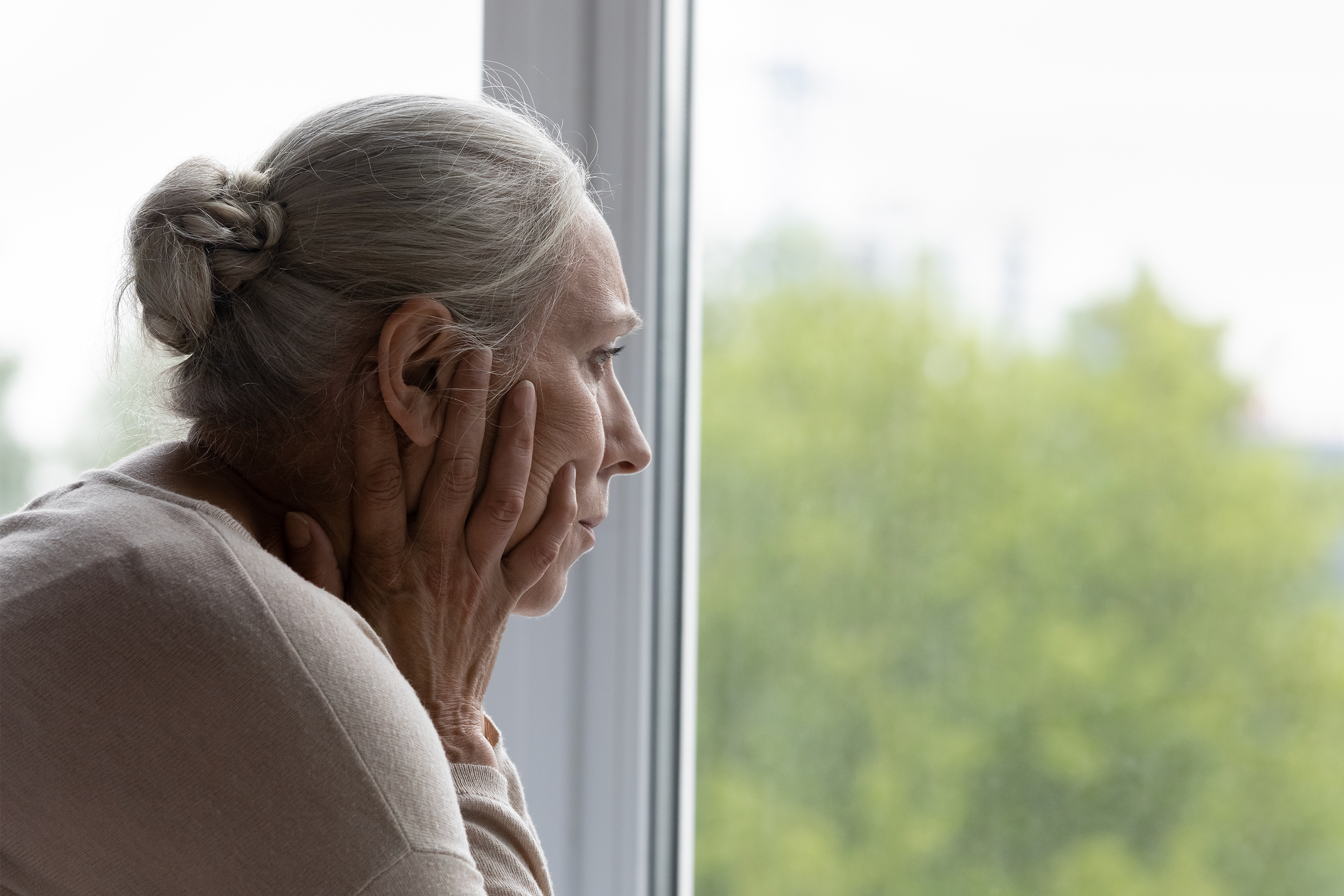
From the moment you hear, "You have breast cancer," something shifts. Even in moments of hope. Even when treatment is working. Even when everyone tells you how strong you are, or how good you look.
There can still be grief. Sometimes it sits beneath the fear, the confusion, the overwhelm. Sometimes it shows up right alongside them. You might call it anxiety. You might call it stress. But underneath so many of those emotions is a sense of loss — of what was, of what you expected, of what feels different now.
Grief for the life that existed before that moment. For the body you trusted and the body that has changed in ways you did not choose. For plans that now feel uncertain. For the family you imagined or the choices made before you were ready. For a career paused, reshaped, or halted. For intimacy that feels different. For the many days lost to treatment, recovery, and simply getting through.
Grief can show up in ordinary moments. At a party, when there are children running around and you realize that might not be part of your story. When friends are worrying about things that once felt big but now feel far away. When you cannot show up at work the way you once did. When your body does not move or respond the way it used to. When you catch yourself thinking, "This is not the life I imagined."
This is part of the experience. It is a normal response to loss and change.
Cancer changes more than cells. It changes how we see time, our bodies, our sense of identity, our relationships, and the future. Whether you are newly diagnosed, years out from treatment, or living with metastatic breast cancer, mourning what has been altered is human.
For many people, grief also brings clarity. It can sharpen who and what matters most, who shows up for you, and how you want to spend your time and energy.
But even with that clarity, what you're carrying is not always visible to others.
One of the hardest parts is that the world does not always see it. You might look healthy. You might look back to normal. People want to believe you are doing better now. And that can leave you feeling misunderstood, or alone.
Because even when treatment is going well or scans show what you hoped for, relief does not erase the worry or make you feel the way you did before. Even on good days, loss and worry can still creep in. Feeling unseen in your grief is a real loss too.
Grief does not always disappear. For some, it becomes less intense over time and easier to carry. For others, it changes shape. It may come and go. It may show up again at different points in your life.
Part of living with and beyond cancer is learning to recognize it when it shows up and to name it.
We love how grief specialist Kelly Grosklags, LSW, puts it: grief is a reflection of love. It shows us what has mattered. And knowing that can make it a little easier to carry.
You do not have to figure it all out. You just have to know you are not alone, and that this is something you can learn to carry.
Have you felt this kind of grief? You're welcome to share it here — someone else may need to read exactly what you write.