Relationships Hit Different After a Breast Cancer Diagnosis
Based on conversations with members of the Breastcancer.org community
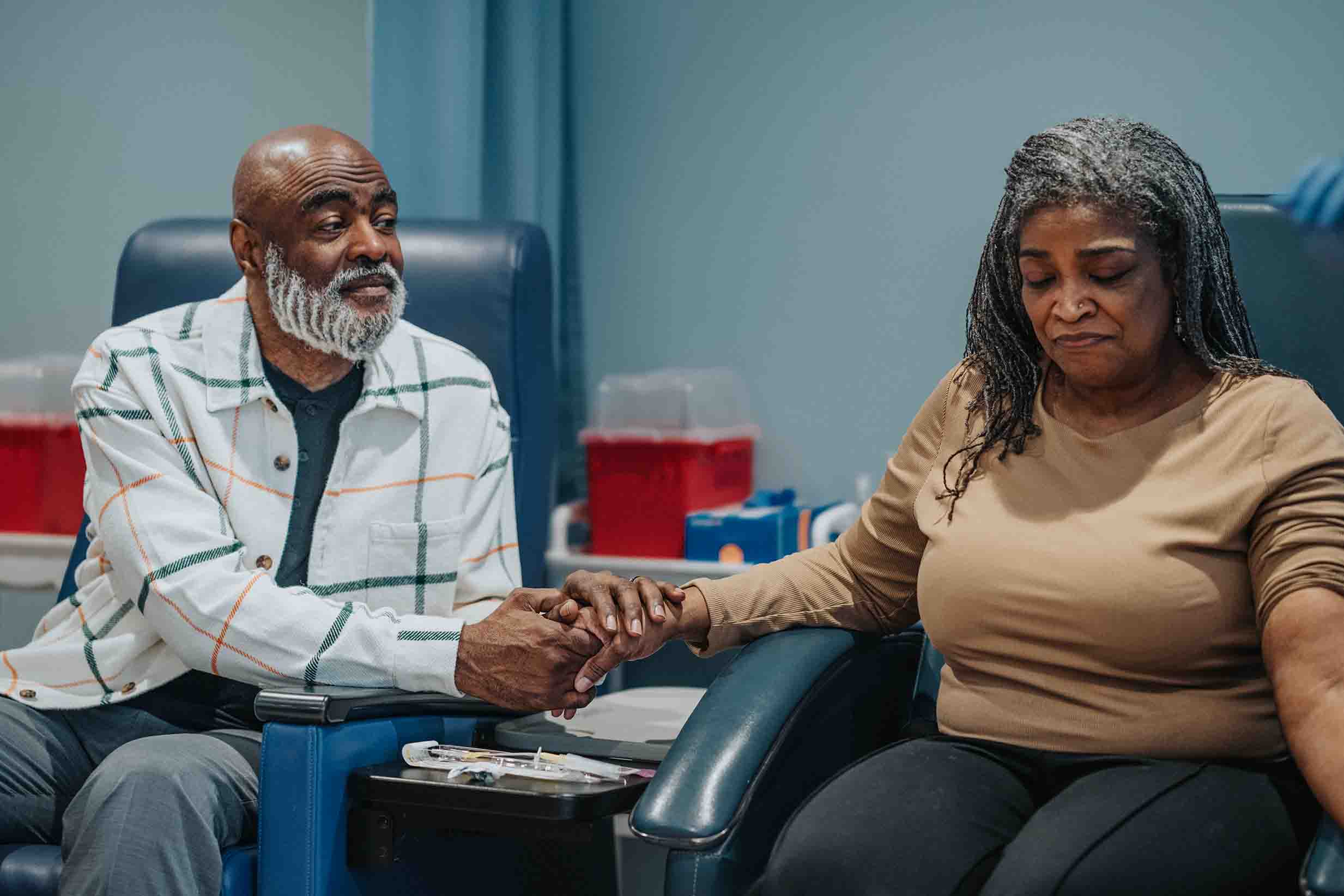
For more than 25 years, we've had thousands of conversations in our Community about life with breast cancer. One theme comes up again and again: relationships shift. Some grow closer than they ever were, in ways you don't see coming until you're in the middle of them. Others seriously ghost. And sometimes, someone shows up who you never expected to matter this much.
We hear this across our Community, from diagnosis through treatment and years beyond. And it's not just about partners or spouses. Breast cancer can reach into every layer of your life, affecting people close to you and sometimes people you barely thought of as part of your support system.
People often expect a diagnosis to bring everyone closer, to clarify what matters and deepen connection, and sometimes it does. But more often, for the people in our Community, cancer doesn't create something new in a relationship so much as reveal what was already there, on both sides.
And some of what it reveals is in you. You may become clearer about what you need and less willing to accept what isn't working. Sometimes that means recognizing that a relationship is taking more from you than you can give and choosing to step away. Cancer doesn't just reveal who shows up. It can change what you're willing to ask for and what you're willing to let go.
Some relationships become stronger. People describe finally feeling like they're on the same team and having conversations they never had before. Even a solid relationship can shift when breast cancer changes something that has always connected you. Finding a new way to be together can be an ongoing process, constantly right-sizing the relationship as needs and circumstances change.
Other relationships become more complicated. Problems that were already there can become harder to ignore. When you're stretched thin, you may realize you simply don't have the capacity to take care of everyone else emotionally, too.
Sometimes people pull away, or even ghost you. A coworker might not know whether to ask how you're doing. A friend might stop inviting you, assuming you're too tired or simply not knowing how to act anymore. Whatever the reason, it can be deeply painful, especially when it's someone you thought would be there. One of the hardest things to realize is that someone can love you deeply and still not know how to show up for you.
For many people, there's another layer to all of this: becoming an educator. You may find yourself explaining, sometimes over and over, what life after treatment actually looks like, or why living with metastatic breast cancer means ongoing treatment even when someone doesn't "look sick." That's its own kind of emotional labor.
There are practical changes at home, too. The roles between people can shift when someone else starts taking on more of what you used to do. Over time, a partner or someone close to you may also become a caregiver, which can change the relationship in another way. We hear people talk about missing how things used to feel, even while they're deeply grateful for the help. Finding a balance that works can take time, and may need to be continually adjusted.
But cancer can also bring unexpected clarity. You discover who remembers your scan date and who checks in after everyone else has stopped asking. And sometimes the biggest surprise is the person you never expected to be there for you, who turns out to be exactly the person who is.
And then there are the relationships no one sees coming. We see it all the time in our discussion forums and virtual support groups: people who have never met understand each other almost immediately, without having to explain so much. Over time, we've watched that recognition turn strangers into trusted friends, sometimes becoming some of the most meaningful relationships people have.
If you've noticed changes in your own relationships since breast cancer became part of your life, you're not imagining it. What you need from the people around you may be different now. For some people, working through those shifts with a therapist or counselor can help, especially when a relationship feels stuck or too tangled to sort out alone.
There isn't one right way for relationships to respond to something this life-changing. But while breast cancer may alter relationships you already have, it can also create ones you never expected. Sometimes those are the connections that carry us forward.
How have your relationships changed since breast cancer became part of your life? We'd love to hear what you've experienced in the comments.