When Time Becomes an Accommodation
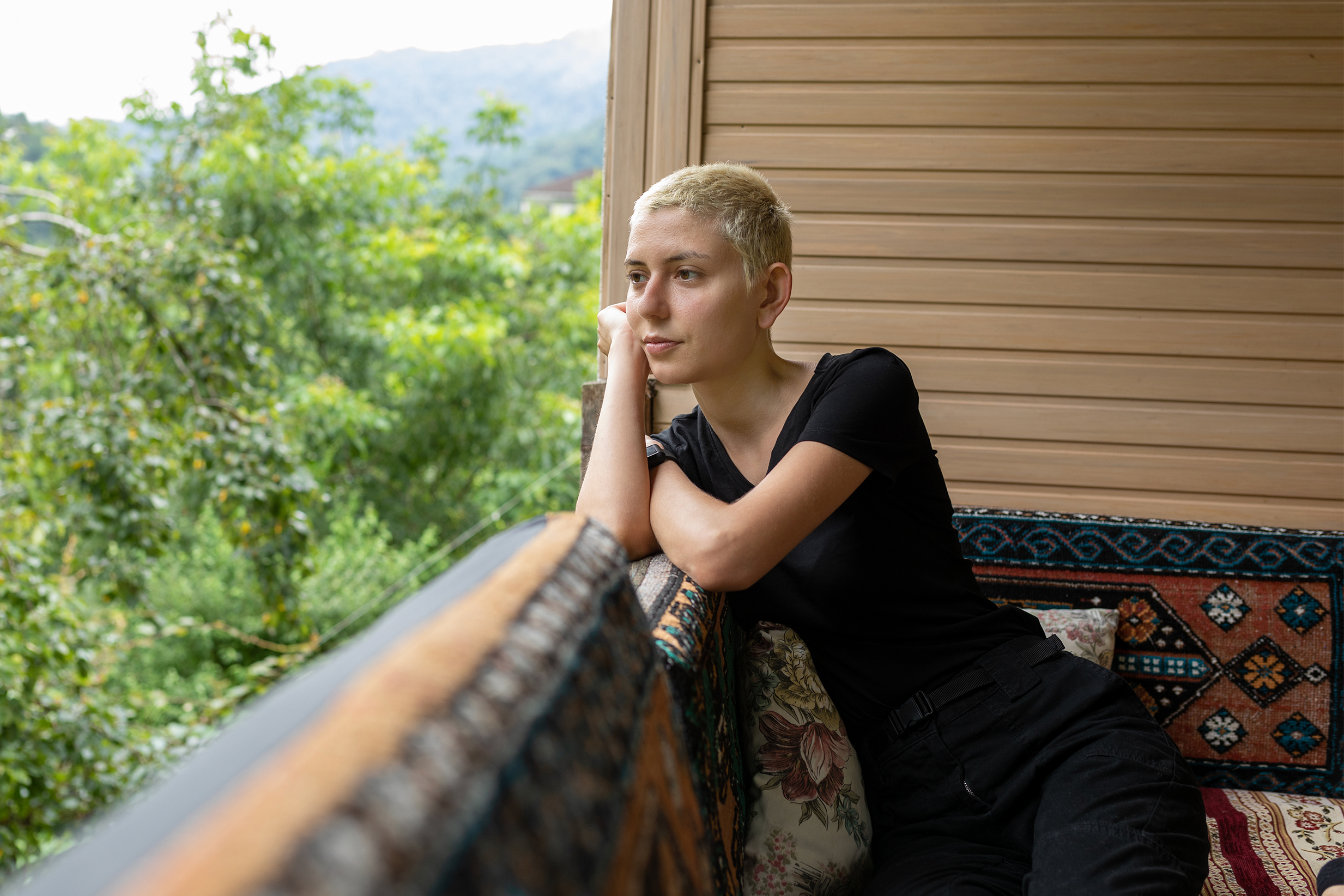
In a recent conversation about accommodations, Anjuli, a member of our young metastatic breast cancer support group, said something that has stayed with us. She didn't mention ramps, parking spaces, or special equipment.
She said, simply: "Time."
Time to move at the pace her body allows. Time to recover. Time without apology.
The more we thought about it, the more we realized this is something we hear over and over again from people living with metastatic breast cancer. People are living full lives. They may still be working, raising children, caring for loved ones, maintaining relationships, and holding on to the parts of life that matter most. Alongside all of that is the ongoing reality of metastatic breast cancer: treatment that doesn't really end, and symptoms and side effects that can be unpredictable and cumulative.
When people hear the word accommodation, they often think of physical adjustments or changes to a schedule. Those things matter, but some of the most meaningful accommodations are invisible.
Sometimes what people need most isn't a different schedule. It's the freedom to move at their own pace, without judgment.
Many people wake up not knowing how their body will feel that day. Energy may change without warning. Pain may come and go. Nausea, appetite changes, or sudden digestive issues can appear with little notice, making even simple plans hard to count on. Getting ready or simply moving through an ordinary day may take much longer than it once did.
Sometimes it means making hard choices: leaving a family gathering early, resting after treatment instead of checking off your to-do list, or explaining to your boss what you can and can't take on right now.
One of the hardest parts of living with metastatic breast cancer isn't just adapting to an unpredictable body. It's helping other people understand it. Because someone may look well, others often assume they feel well. They may expect them to keep the same schedule, accept every invitation, or carry the same responsibilities as before. Many people find themselves constantly explaining what can't easily be seen.
There's a quiet pressure to keep up and keep being the dependable person you've always been. When that's no longer possible, guilt often follows, especially for people who have always taken pride in being capable and present.
Yet what we hear, again and again, is how much people are still trying to do, even when it doesn't look the same from the outside. They're still getting to appointments. Still caring for the people who depend on them. Still working, volunteering, creating, or simply sharing a meal with family.
Fatigue is one of the clearest examples of why these efforts can look so different. It's not simply feeling tired but a deep exhaustion that can arrive suddenly and change what's possible in a single day. Rest isn't always optional. Sometimes it's what makes participating possible at all. Yet rest often comes with guilt: the feeling that you should be doing more, accomplishing more, or somehow being the person you used to be.
If time is the accommodation, grace is what lets that time exist without guilt. And that grace often comes from the patience and compassion of the people around us.
Grace may look like letting plans change. Choosing to postpone something until tomorrow. Or redefining what productivity, contribution, and presence look like right now.
For those who want to support someone living with metastatic breast cancer, time and understanding may be two of the greatest gifts you can offer.
Sometimes that means offering flexibility instead of frustration, patience instead of pressure, and understanding instead of assumptions. It means recognizing that someone can be doing their very best and still not be able to do everything they once did.
Slowing down isn't giving up.
Asking for help isn't weakness.
Needing more time isn't failure.
It's simply the reality of living with a disease that asks so much.
Anjuli didn't ask for a ramp or a parking space. She asked for time: time to move at her own pace, recover when she needed to, and live without apology.
People living with metastatic breast cancer are already carrying enough. They deserve the time and grace to carry it in the way that works for them.
How has your relationship with time changed since metastatic breast cancer became part of your life? We'd love to hear your experience in the Breastcancer.org Community. Someone else may be feeling the same way and wondering if it's just them.