Is It OK to Use Dong Quai for Menopausal Symptoms?
Dong quai, a Chinese medicine herb, is often used to treat premenstrual syndrome (PMS), menstrual cramps, irregular periods, and menopausal symptoms. Some people take dong quai (scientific name: Angelica sinensis) to boost fertility and to treat heart problems and inflammation. Others take it for cancer.
But despite the long history of dong quai’s use in Chinese medicine, there isn’t much research showing whether it works. And studies in cells and animals suggest it may increase the growth of breast cancer cells.
Key takeaways:
Only a few small studies have tested the effectiveness of dong quai for treating menopausal symptoms. The results are mixed.
Some chemicals in dong quai may act like the hormone estrogen, which could signal hormone receptor-positive breast cancer to grow.
Dong quai is not recommended for people who have breast cancer or who use blood thinners. People who are pregnant or breastfeeding should also avoid using dong quai.
Dong quai supplements are made from the root of the herb, which contains over 70 chemical components. People usually take it in pill or liquid form. The dose depends on the type of product and the condition the herb is being used to treat. Some people call dong quai Chinese Angelica, dang gui, danggui, dong qua, ligustilides, tan kue bai zhi, or tang kuei.
What the research shows
Most dong quai studies have been in animals and cells. This means researchers cannot determine how effective the herb is for treating symptoms in people.
Cancer treatment side effects
Research in people suggests that dong quai may help reduce side effects from radiation and hormonal therapy for breast cancer, but these studies were not well-designed controlled trials. Without a trial in which women are randomly assigned to take or not take dong quai, there’s no way to determine if there’s a cause-and-effect relationship between the herb and side effects.
A study of nearly 32,000 breast cancer survivors who were treated with tamoxifen found that taking dong quai was associated with a reduced risk of endometrial cancer. But because the researchers who conducted this study simply followed women who reported taking dong quai, they cannot conclude that dong quai alone caused a reduced endometrial cancer risk.
A few animal studies suggest that dong quai may protect against the toxic side effects of some chemotherapy drugs. One study in mice found that adding dong quai to chemotherapy with cyclophosphamide reduced the chemo drug’s toxic side effects on white blood cells, blood vessels, the stomach, and the small intestine. Another mouse study found that dong quai reduced toxic side effects to the heart from the chemo drug doxorubicin. Also, a study in mice found that dong quai can protect against lung injury from radiation therapy. One concern with these results is that if dong quai reduced toxic side effects, it’s possible the herb was also reducing the effectiveness of the chemotherapy medications.
Menopausal symptoms
A few studies have looked at the effects of dong quai on menopausal symptoms, but they have found mixed results. For instance, one study of 71 postmenopausal women found that using dong quai for six months did not ease menopausal symptoms. A study of 55 women found that a mix of dong quai and chamomile reduced hot flashes during menopause, but there’s no way to know which herb may have led to this effect, or if both are needed to reduce hot flashes. Another study of 100 women with menopausal symptoms found that taking a placebo for six months was more effective at easing these symptoms than a mix of dong quai and huang qi, another Chinese medicinal herb. A placebo contains no active ingredients, so this result suggests dong quai and huang qi are not effective for easing menopausal symptoms.
Anti-cancer effects
Early research in cells and animals suggests that dong quai may be able to help treat cancer. For example, two studies have found that dong quai limits the growth of brain cancer cells. Other studies have found that dong quai kills and reduces the spread (metastasis) of bladder cancer cells and glioma tumors (cancer that starts in the brain or spinal cord). Early research in animals also suggests dong quai can help animals with cancer live longer, but without studies in people, researchers cannot assume the findings in animals will help a person with cancer.
Other uses
People take dong quai for other reasons too. Studies in people show that dong quai could help manage ovarian cysts after surgery in people with endometriosis. One study found that a mix of dong quai and the traditional Chinese herb Szechuan lovage root improved poor kidney function and acute coronary syndrome, a condition in which blood flow to the heart is impaired. It’s unclear how much each of the two herbs contributed to these benefits.
Studies in cells show that dong quai may combat tuberculosis and boost red blood cell production. Research in cells also suggests that chemicals in dong quai may help treat osteoarthritis and promote wound healing and bone health.
A note about animal and cell studies
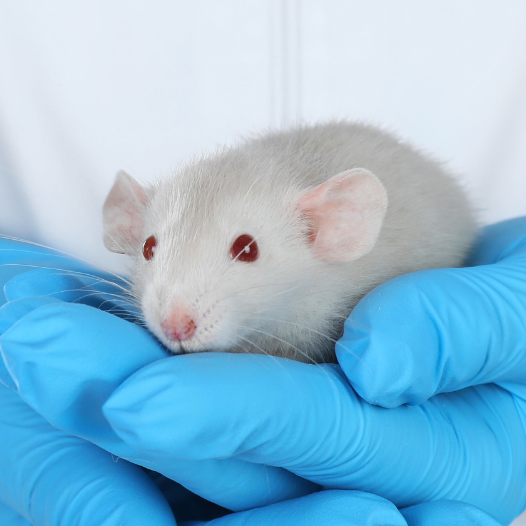
Studies in cells and animals are called preclinical studies because they’re done before any studies involving people. They are critical to developing new treatments for breast cancer. But just because a treatment works in a test tube or a mouse doesn't mean it will work in people. When a treatment enters a human body, it interacts with various systems, including the immune system. Experiments on cancer cells in a dish or a mouse can’t replicate those human conditions. This is why early results from preclinical studies can be promising and exciting, but don’t always lead to new treatments for people.
Safety, risks, and side effects
Taking dong quai for a short time is considered safe for most people. But the effects of taking it for a long time or at high doses haven’t been studied. Some people report side effects such as:
sensitivity to light, including skin sensitivity
loss of appetite
bloating
diarrhea
fever
gynecomastia (enlargement of breast tissue) in men
Importantly, there’s a potential risk for people with breast cancer. This is because chemicals in the herb may act like the hormone estrogen. They can bind to some of the same receptors on cells that estrogen does, triggering some of the same effects. This could worsen outcomes for people with estrogen receptor-positive breast cancer.
Breast cancer growth
Although there isn’t much research to support this, one study found that treating estrogen receptor-positive breast cancer cells with dong quai made the cancer cells grow. Another study found that dong quai extract prompted the growth of both estrogen receptor-positive and estrogen receptor-negative cells. And a study in both cells and mice modified to have human estrogen receptor-positive breast cancer found that dong quai extract increased tumor growth.
The authors of all three breast cancer studies warn that people with breast cancer should be cautious about taking dong quai due to its potential risk, especially since the benefits are unproven.
In addition, research in cells and one animal model shows that dong quai can promote the growth of new blood vessels that tumors need to survive. This is a problem for all solid tumors, not just breast cancer.
Other risks
Some other people may also need to avoid dong quai. The herb may raise the risk of bleeding in people who take blood thinners like warfarin. Experts also recommend not taking dong quai if you are pregnant or breastfeeding.
What this means for you
Because there’s not enough evidence for benefits of dong quai and some research suggests it may worsen breast cancer outcomes, people with breast cancer should avoid taking it. People with other cancers may also want to avoid taking dong quai because of conflicting results on its risks and benefits for cancer overall. Always talk to your doctor before taking a new supplement like dong quai.