Probiotics and Breast Cancer
Probiotics are live microorganisms — yeasts and bacteria — that are similar to the “good bacteria” found in the intestine. They help with digestion, immune function, and maintaining a healthy gut microbiome.
Probiotics are found naturally in some foods (for example, yogurt), but many people take probiotic supplements. These supplements typically come in powder and capsule forms. Doses can vary, but supplements generally contain anywhere from 1 to 10 billion colony-forming units (CFUs). A CFU is a unit of measurement used to estimate the number of live bacteria in a sample — or, in this case, in a supplement.
There’s no evidence that probiotics can reduce the risk of cancer in people.
Key takeaways:
Probiotics may help ease breast cancer treatment side effects such as diarrhea, nausea, fatigue, and chemo brain.
It’s not clear whether probiotics help or hurt when it comes to cancer treatment.
Many doctors recommend that people with cancer get probiotics from food, not supplements, while in treatment.
What the research shows
Probiotics appear to lower the risk of some side effects of chemotherapy and radiation. But they may also interfere with certain types of immunotherapy.
Reducing treatment side effects
Multiple studies have found that people with cancer who take probiotic supplements before radiation or chemotherapy have less diarrhea after treatment compared with people who didn’t take probiotics. Other studies have found that when people with breast cancer take probiotics during chemotherapy, they have less chemotherapy-related cognitive impairment (sometimes called chemo brain), fatigue, and nausea than people who didn’t take probiotics.
These studies were all small, however, and small studies tend to be less reliable than larger studies. More research is needed to confirm the results and ensure that the probiotics don’t interfere with how chemo works.
Making some cancer treatments less effective
While probiotic supplements may help to reduce some side effects from treatment, there’s evidence they may also alter how certain types of immunotherapy work.
One study found that a small group of people with metastatic melanoma who reported taking an over-the-counter probiotic supplement had a 70% lower chance of responding to immunotherapy with an anti-PD-1 checkpoint inhibitor than those who didn’t take a probiotic. Keytruda, an immunotherapy used to treat people with breast cancer, also targets PD-1.
A 2018 study found that oral supplementation of Akkermansia muciniphila, a specific bacterium, improved response to immunotherapy — but the study was in mice.
More studies are needed to understand how probiotic supplements affect how people respond to cancer treatment. Studies in people allow researchers to directly test if what they see in cells and animals is true in people, too.
Reducing cancer risk
Many immune cells live in the gut. An unhealthy balance of good and bad bacteria in the gut can lead to inflammation. It’s thought that probiotics could potentially reduce inflammation in the gut — thereby reducing the risk of disease, including cancer.
Though early lab studies have shown promise, there’s not yet proof that probiotic supplements could prevent or lower the risk of developing breast cancer or any other cancer.
A note about animal and cell studies
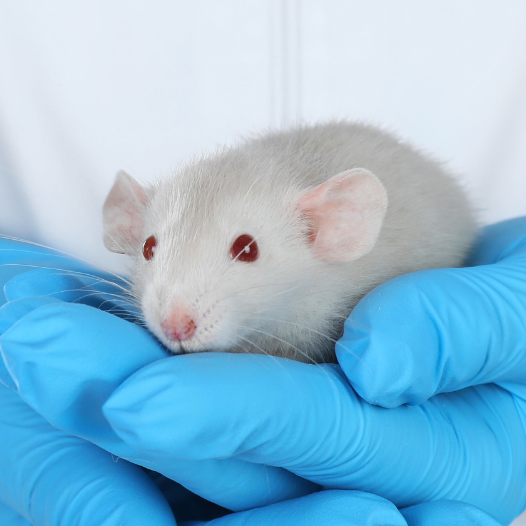
Studies in cells and animals are called preclinical studies because they’re done before any studies involving people. They are critical to developing new treatments for breast cancer. But just because a treatment works in a test tube or a mouse doesn't mean it will work in people. When a treatment enters a human body, it interacts with various systems, including the immune system. Experiments on cancer cells in a dish or a mouse can’t replicate those human conditions. This is why early results from preclinical studies can be promising and exciting, but don’t always lead to new treatments for people.
Risks and side effects of probiotics
Probiotics are generally safe for most people. Some people report problems with gas, bloating, and diarrhea, but these side effects tend to be mild and short-lived.
But despite probiotic supplements being composed of “good” bacteria, some supplements may contain harmful microbes as well. Supplements are not always properly tested — and they aren’t well regulated — so doctors don’t usually recommend probiotic supplements to people with cancer.
Should you take probiotics?
Many experts recommend getting probiotics from food rather than a supplement, especially if you’re in treatment for breast cancer.
Probiotics are naturally found in many foods, especially:
yogurt
kefir
cheese
buttermilk
fermented vegetables like kimchi
An added benefit of eating probiotic-rich foods? You’ll also get nutrients like protein, vitamins, and minerals.
But probiotics can’t do all the heavy lifting alone. A healthy gut and a strong immune system require an overall healthy diet and lifestyle.
If you’re experiencing gastrointestinal symptoms or other uncomfortable side effects from breast cancer treatment, talk to your doctor before taking any new supplements.