Selenium Supplements and Breast Cancer
Selenium is a trace mineral that’s an essential part of a healthy diet. It’s found in foods like seafood, poultry, meat, whole grains, and nuts. The FDA recommends adults have at least 55 micrograms (mcg) of selenium per day, which most people get through the foods they eat.
People with cancer may be more likely to have low levels of selenium, but supplements are available to treat selenium deficiency.
Some people with cancer who don’t have a deficiency take selenium supplements because they believe they can help fight cancer or ease side effects of treatment. Other people may take selenium because they believe it prevents cancer.
A few studies in people suggest that selenium may help ease treatment side effects, but more research is needed. And evidence suggests that selenium does not lower cancer risk, but it probably does increase risk of melanoma.
Key Takeaways:
Some types of selenium supplements may help ease side effects of chemotherapy and radiation, but more research is needed.
There’s not enough research to say whether selenium supplements reduce the risk of breast cancer recurrence or death.
The cancer-related effects of selenium supplements may depend on how much selenium is in your body (baseline levels).
Taking moderate doses of selenium supplements in the short term is safe, but long-term use may raise the risk of Type 2 diabetes, and high doses can be dangerous.
What the research shows
A handful of large studies have looked at the link between selenium and cancer risk and the risk of dying from cancer. Only a few small studies in people have looked at whether selenium affects cancer treatment side effects.
A few different forms of selenium are used in studies, and each may have different effects. Some studies use selenium injections while others may use pills, powders, or liquid extracts. It’s unclear which is the best for people with cancer.
Cancer risk
It’s not clear if selenium supplements affect cancer risk. Some studies found no link between selenium supplements and cancer risk, while others suggest they may decrease or increase the risk of some cancers. These effects may depend on the amount of selenium you have in your body.
A 2018 review study found that selenium supplements don’t affect overall cancer risk. The review also found selenium supplements don’t affect the risk of colorectal, lung, bladder, prostate, or skin cancers. They probably don’t affect breast cancer or non-melanoma skin cancer risk either, but more research is needed to be sure.
In addition, the review found that selenium supplements likely increase the risk of melanoma.
Cancer treatment side effects
Whether selenium supplements ease side effects of radiation and chemotherapy may depend on your body’s selenium levels. A 2024 review study found selenium supplements improve many treatment side effects in people with a deficiency, but not in those with normal levels of selenium. These side effects include:
inflamed or dry mouth
reduced blood cell production and low platelet count
Regardless of selenium levels in the body, small studies in people with a variety of cancers suggest selenium supplements may:
reduce hair loss, gas, stomach pain, weakness, discomfort, and loss of appetite
improve liver and kidney function
decrease inflammation and improve immune function
reduce infection risk and improve how your heart pumps blood
Only one small study looked at people with breast cancer specifically. It found that selenium improved lymphedema (swelling). Two small studies in people with head and neck cancer receiving radiation found similar improvements in lymphedema.
Most studies have found that selenium supplementation has found no effect on survival.
Cell and animal studies
Studies in cells and animals suggest selenium may help fight cancer in a few different ways. Selenium is an antioxidant, which means it helps prevent damage to DNA that can cause cancer. Lab studies show that some forms of selenium may also kill cancer cells, stop tumor growth, limit metastasis, alter cell signaling pathways and the expression of genes related to cancer, boost the effects of chemotherapy, and prevent resistance to some chemo drugs.
A note about animal and cell studies
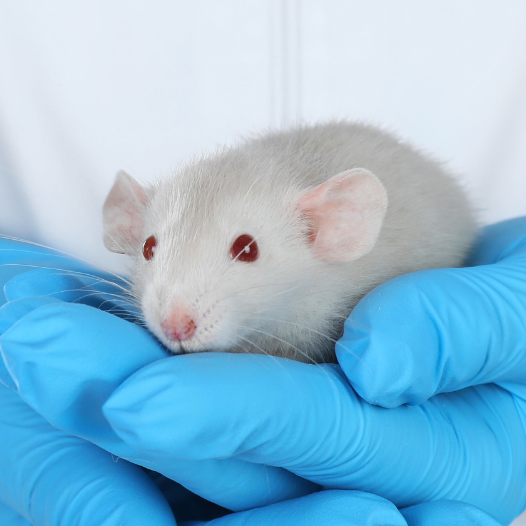
Studies in cells and animals are called preclinical studies because they’re done before any studies involving people. They are critical to developing new treatments for breast cancer. But just because a treatment works in a test tube or a mouse doesn't mean it will work in people. When a treatment enters a human body, it interacts with various systems, including the immune system. Experiments on cancer cells in a dish or a mouse can’t replicate those human conditions. This is why early results from preclinical studies can be promising and exciting, but don’t always lead to new treatments for people.
Safety, risks, and side effects
Taking up to 400 mcg of selenium per day is generally safe in the short term. Most supplements contain between 50 mcg and 200 mcg selenium. A few different forms of selenium are available in supplements. If you decide to take selenium, ask your doctor what form and dose is right for you.
For people with a deficiency, including people with cancer, supplementation under the guidance of a doctor is recommended. Nutritionists generally recommend against selenium supplements for people who are receiving radiation therapy because some studies suggest they may interfere with treatment.
Selenium supplements can cause side effects such as upset stomach, headache, and skin rash. Early studies suggest long-term use may increase the risk of Type 2 diabetes.
Doses higher than 400 mcg can cause garlic breath, a metallic taste in the mouth, fatigue, brittle nails, hair loss, skin inflammation, weight loss, nausea, vomiting, and diarrhea. Doses above 1,000 mcg are very dangerous and can cause severe gastrointestinal symptoms; muscle weakness; irritability; trouble breathing; damage to the liver, kidney, heart, or nerves; and even death.
Should people with breast cancer take selenium?
Experts recommend that people with a deficiency, including people with cancer, take a selenium supplement. Selenium supplements may help ease some radiation and chemotherapy side effects, especially if you have a deficiency. However, they may also interfere with these treatments and raise your risk of melanoma and Type 2 diabetes. Always ask your doctor before taking a new supplement, especially during cancer treatment, and take no more than 400 mcg of selenium per day.