Wild Yam for Menopause
Key Takeaways:
There’s very little research on how wild yam affects menopause symptoms, which can be triggered by hormonal therapy for breast cancer. Overall, studies do not suggest that it has an effect on menopause symptoms.
There’s not enough research in people to know how wild yam affects breast cancer.
Because wild yam has components that can act like estrogen and progesterone, experts recommend that people with hormone receptor-positive cancer, including breast cancer, do not take it.
Wild yam is a root vegetable that can be eaten as a food or taken as a supplement. It isn’t the same yam or sweet potatoes you find in the grocery store. There are more than 600 species of wild yam, though only about a dozen are edible.
Some people eat wild yam, while others take it in the form of a pill, liquid extract, or cream applied to the skin to get its potential benefits.
Wild yam is commonly used to help relieve symptoms of menopause. Given that people with hormone receptor-positive breast cancer who take hormonal therapies can have symptoms of menopause, they may wonder if wild yam can help.
But very little research supports its use for menopause symptoms. What’s more, wild yam may have estrogen- and progesterone-like effects, so experts warn that people with hormone-sensitive cancer should avoid it.
What the research shows
Researchers study different species and preparations of wild yam — the whole food or a pill, liquid extract, or cream — and each may have different effects. This may help explain why the few small studies on wild yam have found mixed results.
Menopause symptoms
Very few studies in people have looked at whether wild yam can ease menopause symptoms — too few to be able to make a strong conclusion. This is especially true because the studies are small and used very different methods. But overall, the evidence does not suggest that wild yam can ease menopause symptoms.
One small study found that wild yam cream, made from the species D. villosa, did not affect menopause symptoms in healthy postmenopausal women. Another small study found that wild yam extract of the species D. alata improved anxiety, insomnia, and pain but not hot flashes or sexual dysfunction like vaginal dryness.
Estrogen-related cancer risk
Some species of wild yam contain diosgenin, which scientists use to make hormones like estrogen. But there’s no evidence that the body can convert diosgenin into estrogen after you eat wild yam or take it as a supplement. Even so, some lab studies suggest that components of certain wild yam species can act like estrogen and progesterone in breast cancer cells. Although this could potentially help fight breast cancer, it could alternatively boost tumor growth in people with hormone-sensitive cancer.
A couple of other studies in people have looked at whether wild yam can raise estrogen levels and have found mixed results. One small study found that postmenopausal women who ate a large amount of the wild yam species D. alata for a month had higher levels of estrone, the weakest type of estrogen, as well as sex hormone binding globulin, a hormone that regulates estrogen. Wild yam cream, however, doesn’t seem to change hormone levels.
Cell and animal studies
Studies in cells and animals suggest wild yam may stop normal cells from changing into cancer cells, reduce the growth and spread of cancer cells, and kill cancer cells. But other lab studies show its components can act like estrogen or progesterone, which could be dangerous for people with hormone receptor-positive cancer.
A note about animal and cell studies
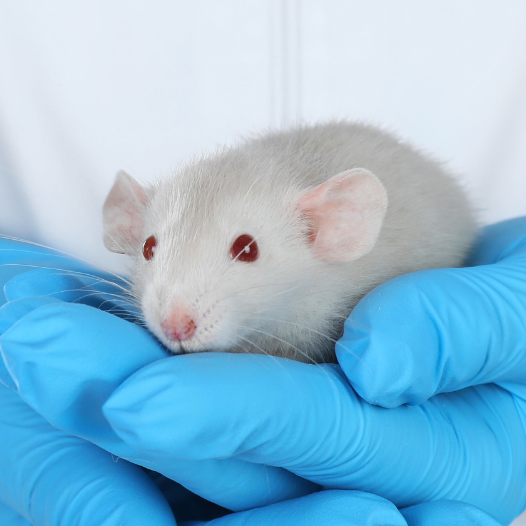
Studies in cells and animals are called preclinical studies because they’re done before any studies involving people. They are critical to developing new treatments for breast cancer. But just because a treatment works in a test tube or a mouse doesn't mean it will work in people. When a treatment enters a human body, it interacts with various systems, including the immune system. Experiments on cancer cells in a dish or a mouse can’t replicate those human conditions. This is why early results from preclinical studies can be promising and exciting, but don’t always lead to new treatments for people.
Safety, risks, and side effects
Wild yam may be safe for many people in the short-term. However, it may not be safe for people with hormone receptor-positive cancer, including breast cancer.
There is no standard dose, and it can cause side effects such as fever, headache, upset stomach, and vomiting, and can interact with other medications you’re taking.
Should people with breast cancer take wild yam?
Experts recommend avoiding wild yam if you have hormone receptor-positive cancer. Always ask your doctor before taking a new supplement, especially during cancer treatment.