U.S. Cancer Registries Stop Collecting Data on Transgender People

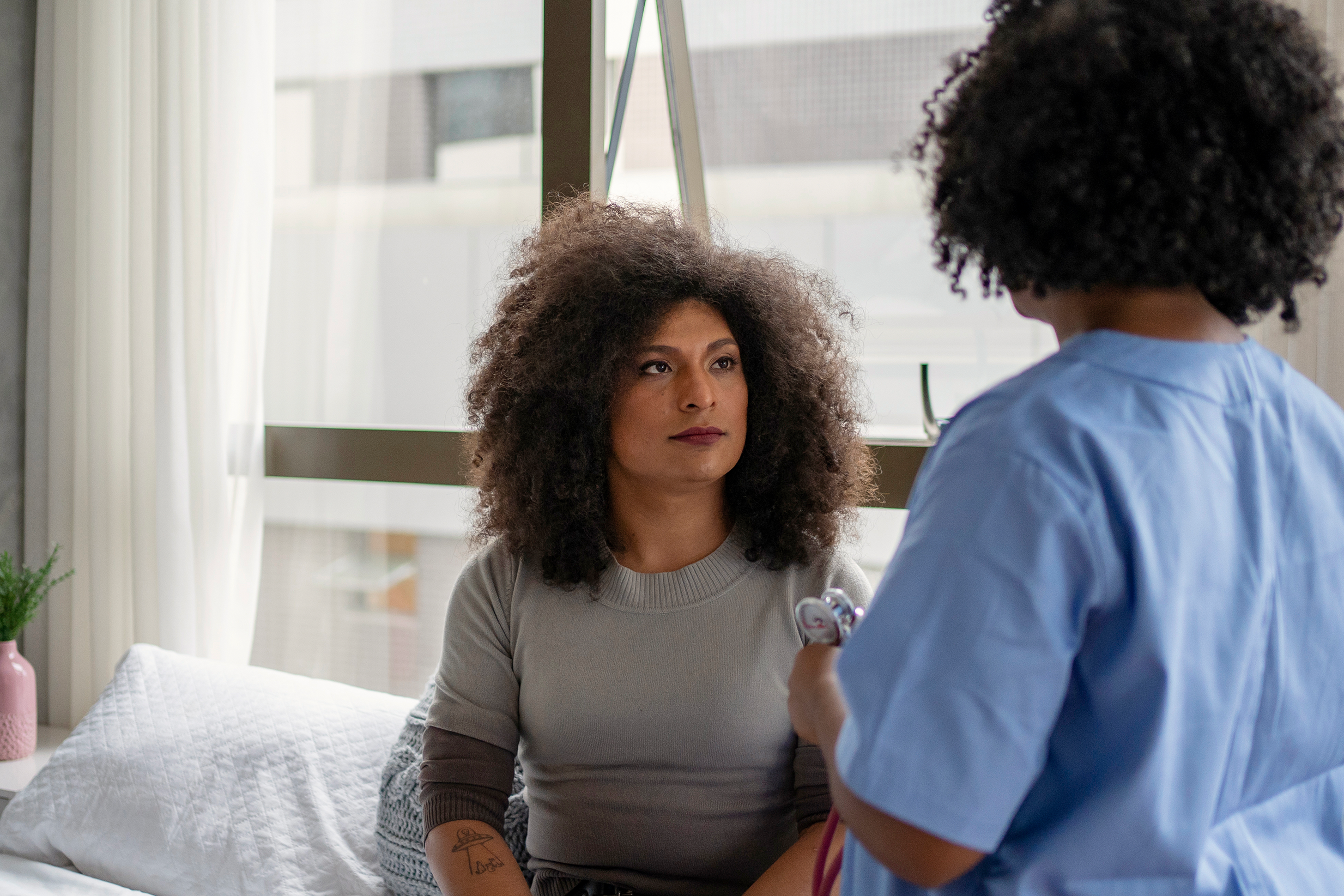
This year, U.S. cancer registries will recognize only “male” and “female” sexes in their databases. The move, as was first reported by KFF Health News, could have long-term negative effects on the health of transgender people.
The year 2025 “saw more systemic rollback of trans data collection than any year in history, including in cancer registries,” says Scout, MA, PhD, executive director of The National LGBTQIA+ Cancer Network (Scout has only one name). “Unfortunately eliminating data collection doesn't fix health disparities, it fuels them.”
Cancer registries track new cancer cases and survival outcomes across the country. They also collect demographic information about people who have cancer, including their age, race, ethnicity, and sex. Regional and statewide registries are supported by the Centers for Disease Control and Prevention (CDC) and the National Cancer Institute (NCI). These registries alert scientists and doctors to cancer trends, like the rise of breast cancer in young people and how smoking leads to worse outcomes for Black women with breast cancer. Policymakers also use this information to create programs and policies that address these trends.
Historically, these registries have excluded information on lesbian, gay, bisexual, transgender, and queer (LGBTQ+) people with cancer by not collecting information on sexuality and gender. Without this information, there’s a lot that researchers don’t know about how cancer impacts LGBTQ+ communities, like the prevalence of certain cancers or LGBTQ-specific risk factors.
In recent years, registries have expanded sex options to include “male,” “female,” “other,” and various options for “transsexual.” Now, in line with President Trump’s January 2025 executive order recognizing only male and female sexes, registries are rolling back those expanded options. Any registry that receives funding from the CDC or NCI must now classify people as only “male,” “female,” or “unknown/not stated.”
“To take one of the least stable populations in the country and actively refuse to monitor our cancer impact,” says Scout, “ is simply bad public health.”