Delayed Breast Biopsy? That Might Be Because of a Needle Shortage

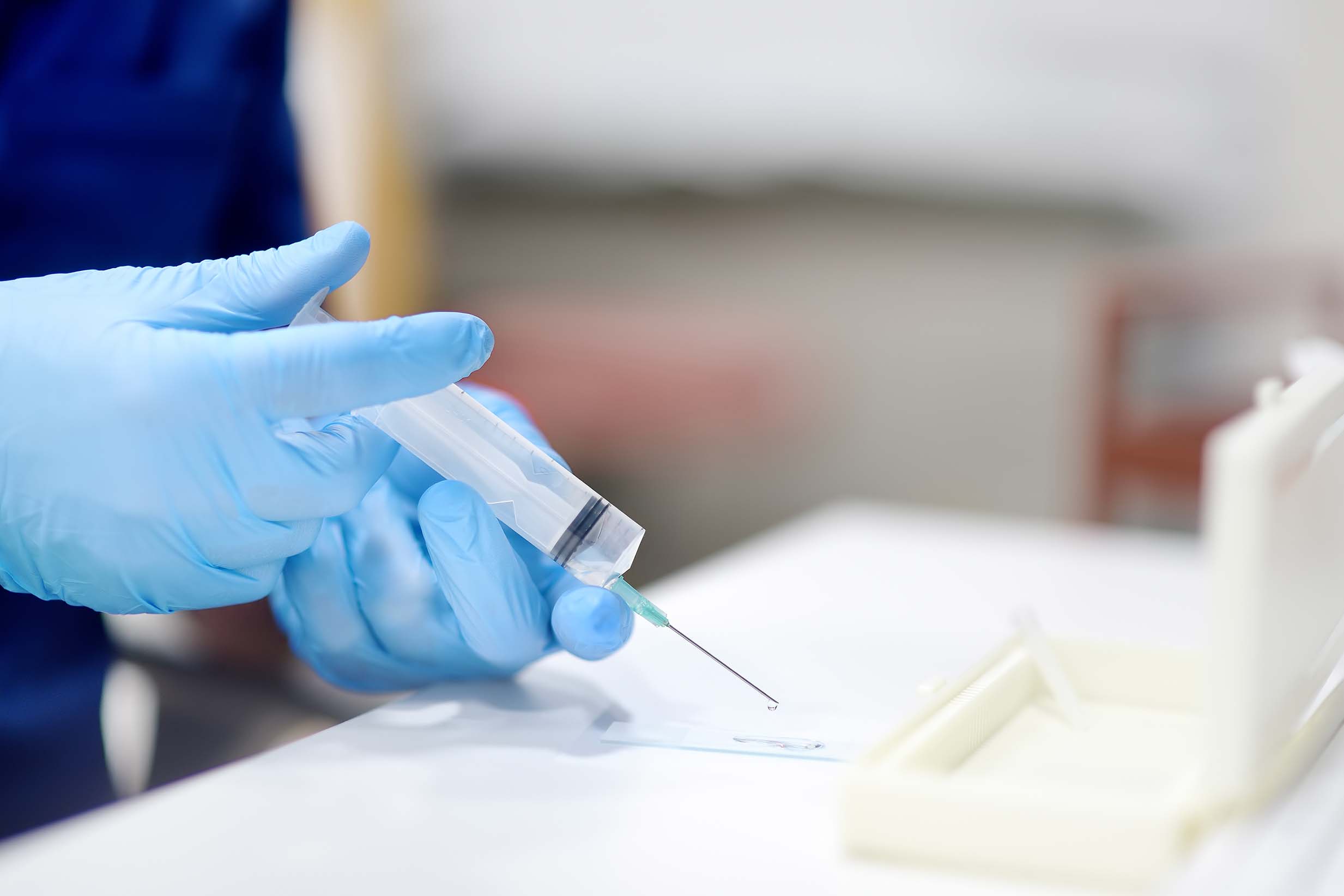
Waiting to find out if something abnormal on a mammogram is cancer is a stressful time. That wait may now take longer due to delays caused by a breast biopsy needle shortage in the United States.
In early January, the medical technology company Hologic told buyers to stop using its Brevera Breast Biopsy System Disposable 9 Gauge Needle because of a manufacturing error. Parts of the needle were coming apart during biopsies and potentially being left behind. In February, the U.S. Food and Drug Administration (FDA) issued an official recall.
In June, the FDA released a statement acknowledging that the disruption in the supply of Hologic’s breast biopsy needles “is expected to impact patient care.” Hologic is one of six major U.S. suppliers of breast biopsy needles, and these other suppliers have not been able to make up for the shortage.
Biopsies remove suspicious cells so they can be tested for cancer. Hologic’s recalled needles are used in stereotactic biopsies, which are guided by mammograms. They are commonly used when something abnormal is seen on a mammogram.
Hologic is fixing its manufacturing process and aiming to make new, safe Brevera needles again by the end of the year. The FDA expects the stereotactic biopsy needle shortage to last through March 2027, but there’s no guarantee it will end then.
How the needle shortage may affect you
The FDA recommends that healthcare providers affected by the needle shortage take steps to conserve the needles. This may impact people who need a stereotactic breast biopsy in a few ways:
You may face a delay in scheduling a biopsy, especially if the breast abnormality has a low suspicion of cancer.
If the biopsy is delayed but you have a highly suspicious breast abnormality, you may be referred directly to a surgeon for a more invasive surgical biopsy — and, if the lump isn’t too big, the surgeon may remove all of it.
You may have to get a biopsy at a different location and with a different provider than you otherwise would.
If the breast abnormality can be detected by an ultrasound, you may have an ultrasound-guided biopsy, which has high accuracy and is more comfortable and faster than a stereotactic one.
If you’re having a stereotactic biopsy, the radiologist may use a different size (gauge) or length needle than is standard.
Although these changes might affect your care, the American College of Radiology and the FDA both tell providers to “maintain focus on minimizing delay for cancer diagnosis/treatment.”
Questions to ask your doctor
It’s understandable if you have questions about how the needle shortage might affect you. You might consider asking your radiologist:
Should I be concerned about how long the wait is before my biopsy? Why or why not?
Is anything about the biopsy I’m getting different than what it would be if there wasn’t a needle shortage? Could any of these differences affect my biopsy results?
Are you using a different size needle than you usually would? If so, will it affect my results or my comfort during or after the biopsy?
Am I a candidate for an ultrasound-guided biopsy instead of a stereotactic one?
Should I discuss my surgical biopsy options with a surgeon?
Are you OK with continued surveillance (with mammograms, breast MRI, or breast ultrasound) instead of biopsy during the needle shortage?