Décolletage Fillers May Interfere With Mammograms

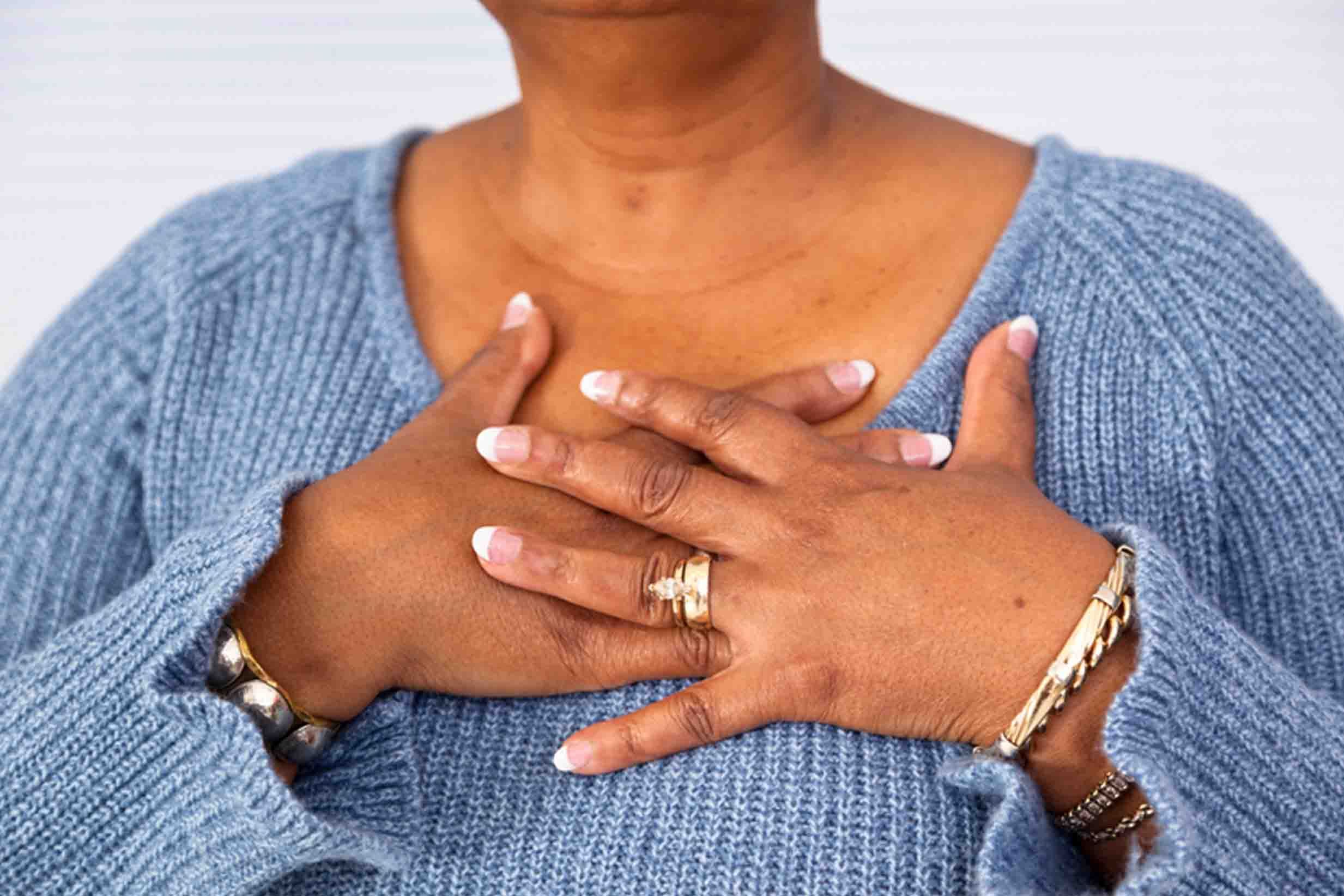
Each year millions of Americans use dermal filler injections — a type of nonsurgical cosmetic procedure — to smooth fine skin lines and plump up wrinkles. These fillers are approved by the FDA for treatment of the face and hands, but increasingly, they've been used off-label for treating the décolletage — the area above and between the breasts. Some people even use dermal fillers to increase breast volume.
Last fall, the FDA convened a panel of experts to discuss the safety of dermal fillers injected into the décolletage. The meeting included a committee made up of dermatologists, plastic surgeons, oncologists, and radiologists. They cautioned that the use of dermal fillers to the décolletage could make it hard for doctors to spot cancer during routine screenings.
Despite this warning, the FDA this week approved the use of a filler called Radiesse for use in the décolletage area.
What should you know if you've had or are planning to get fillers in your chest area?
How dermal fillers work
Dermal fillers are made of various gel-like liquids that are injected just under the skin’s surface to add volume and smooth out wrinkles. People opt for dermal fillers to restore lost fullness to skin, to improve their skin’s texture, and to decrease fine lines and wrinkles. Hyaluronic acid is the most common type of filler used in the neck and décolletage area. Radiesse is a filler made of a substance called calcium hydroxylapatite.
For most dermal fillers, the result is temporary, and people need multiple treatments to maintain the results.
Once injected, there’s currently no approved method to remove the fillers from the body, which worries some experts. Hyaluronic acid-based fillers can be dissolved with an enzyme called hyaluronidase, but those made of other materials, like Radiesse, take time to break down naturally.
Dermal fillers have become more popular in recent years, and are often done at medical spas or storefront wellness centers rather than in a dermatologist’s office. Companies that make dermal fillers are expected to seek FDA approval for their use in the décolletage area soon.
Risks of décolletage fillers
At the FDA meeting, experts shared their concerns, based on what they have seen in their medical practices and the adverse events that have been reported to the agency. They identified two main risks related to décolletage fillers interfering with breast screenings: fillers can look like cancer and/or they can make it hard to see cancer on an image.
“They are concerned that these fillers could cause false positives [where the result appears as though the person has a tumor when they do not] on breast imaging or clinical breast exams,” says Deepa Sheth, MD, a breast radiologist with Prime Healthcare who was not on the FDA panel.
Unlike saline or silicone breast implants that can be shifted during a mammogram, dermal fillers can also make it hard to read a mammogram properly, Sheth says. The material may obscure the underlying breast tissue and make it harder for a radiologist to see the cancer. Filler is impossible to separate from the breast tissue, as it’s not encapsulated in a shell like an implant.
Other risks
The panel advised that dermal fillers injected into the décolletage area could cause a number of other problems, including:
moving to a different place in the body from where it was injected
forming nodules, lumps, or growths under the skin
causing clusters of immune cells (granulomas) to form around it
preventing the body’s lymphatic system from draining properly
Because fillers are used off-label in the décolletage area, it’s impossible to know how many of these procedures have been performed. So experts don’t have a good picture of how many people have side effects from them, or how often they interfere with breast cancer screenings. However, experts think that adverse events from dermal fillers are likely underreported.
High-risk groups
Panel members recommended that certain high-risk people should not receive dermal filler injections. Those include people who are breastfeeding or pregnant, because the risks for them are unknown; people with darker skin types or known wound-healing issues (both of whom might more easily form nodules or scar tissue); and people with a history of certain cancers like lymphoma or other blood cancers who might be at higher risk of side effects or complications from the filler.
Margarita L. Zuley, MD, a breast radiologist with the University of Pittsburgh Medical Center and a member of the FDA panel, recommends that people who have had radiation therapy to their upper chest area should not receive dermal fillers. She also suggested that people currently being treated for breast cancer or having certain types of imaging, such as a PET-CT, avoid receiving dermal fillers while undergoing treatment.
Getting décolletage filler
If you’re considering getting filler injections in the upper chest or breast area, or if you already have, doctors say the most important thing is to tell them about it.
“Breast cancer screening is still one of the most powerful tools we have to save lives,” says Annie DePasquale, MD, a family physician and founder and CEO of Collaborating Docs. “Cosmetic procedures don’t need to get in the way of it. If you’ve had fillers, implants, or other procedures, just communicate openly with your provider and imaging team. The more transparent we are with one another, the more accurate and effective your care will be.”
Sheth recommends that if you plan to get dermal fillers, you should make sure that you’re up to date on your mammogram. “Realize that you may be called back for additional testing if your doctor sees new changes,” she says. “This may include an ultrasound exam and/or a biopsy.” This may be more likely if you have dermal fillers in the décolletage area.
Sheth also urges people at higher risk of breast cancer to be cautious when considering dermal fillers to the chest. “Dermal fillers, although aesthetically pleasing, affect the ability of a radiologist to best interpret your mammogram.”