Living Far From a Grocery Store May Affect Breast Reconstruction Healing

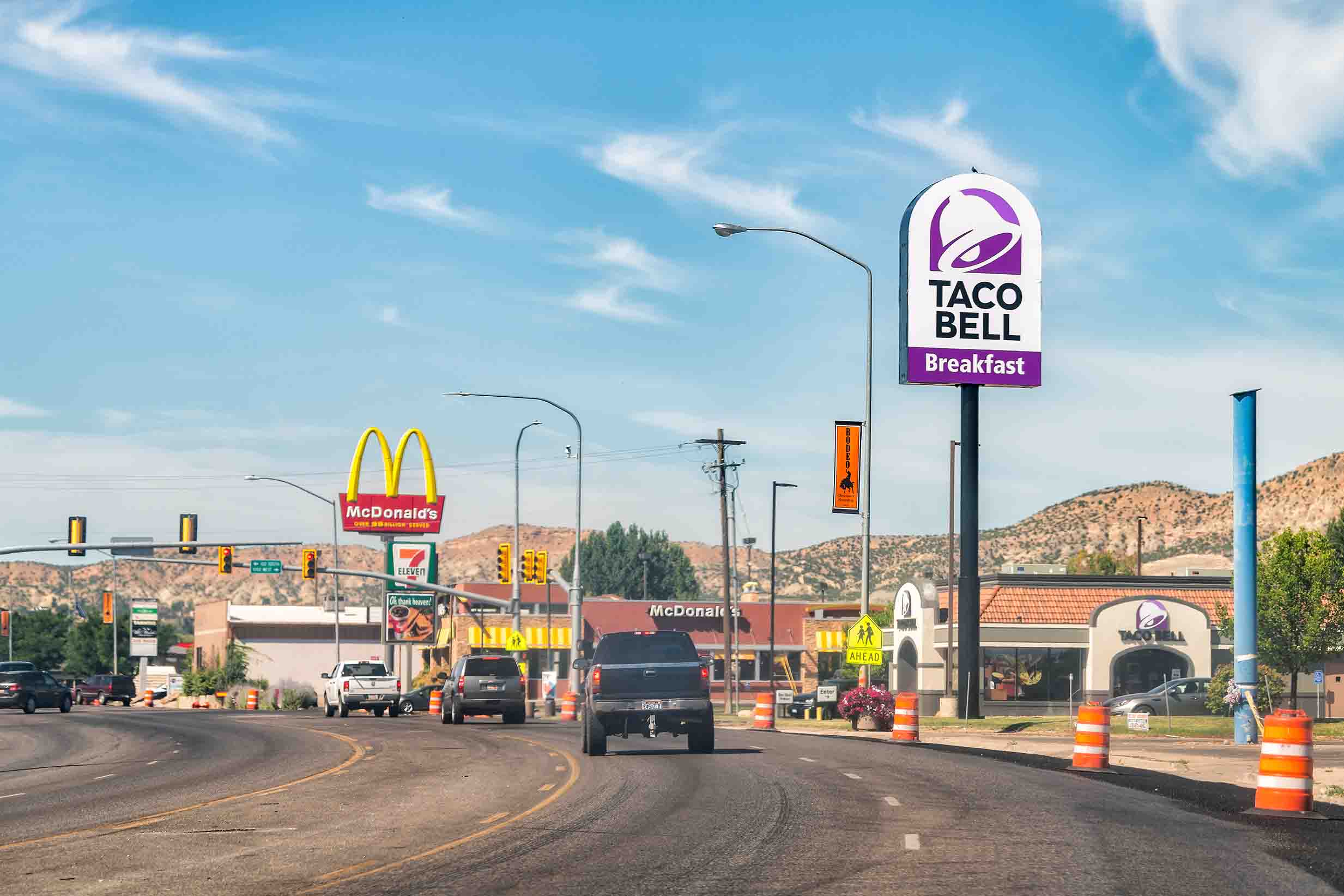
How close you live to a grocery store can have a huge impact on your health. A recent study suggests that for people with breast cancer, limited access to fresh foods might mean it takes longer to heal after breast reconstruction surgery.
Specifically, the study found that people who live far away from grocery stores had double the risk of a major complication after breast reconstruction following a mastectomy compared to people who have a grocery store nearby.
"Our findings suggest that access to healthy foods and nutritional status may influence the risk of complications after breast reconstruction surgery," Kenneth Fan, MD, a plastic surgeon at Medstar Georgetown University Hospital and author of this study, said in a press release.
According to the U.S. Department of Agriculture, an estimated 40 million Americans live in low-income, low-access food areas, where the nearest grocery store is one or more miles away in cities or 10 or more miles away in rural areas. People who live in these areas, sometimes called “food deserts,” may have higher body weights and worse nutrition. These factors can make it difficult to recover from surgeries like breast reconstruction, since good nutrition helps wounds heal and reduces the risk of infection. Fan and his colleagues wanted to know how living in a food desert affects reconstruction outcomes for people with breast cancer.
Fan and his colleagues studied the medical records of 1,020 people with breast cancer who had a mastectomy followed by breast reconstruction between 2014 and 2018. Of the participants, 60% lived in low access food areas.
Over half (55%) of the people who lived in food deserts had at least one complication after breast reconstruction, like delayed healing, compared to people in non-food deserts (39%). Living in a food desert nearly doubled a person’s risk of a major complication after reconstruction, like needing an additional surgery to remove an implant or remove infected tissue from a DIEP flap reconstruction.
Because nutrition seems to play a central role in recovery, the authors suggest that nutritional screenings should be included in nutrition assessments before mastectomy and breast reconstruction surgery. These assessments could help notify healthcare staff if someone may need extra support through food assistance programs.
If you’re planning or have already completed breast reconstruction and can’t get healthy foods during recovery, know that you’re not alone. Between 17% and 55% of people with cancer have limited access to nutritious foods. Resources do exist, like the Supplemental Nutrition Assistance Program (SNAP), which helps cover grocery bills for families with lower incomes. Generally, SNAP eligible families have a monthly income at or below 130%of the poverty line. For a family of three, this is about $2,888 a month, or $34,656 a year. To get started, find your local SNAP office in your state. You may be able to apply online, in person, or by mail, depending on your state.
If you don’t qualify for SNAP, you may be able to get fresh food at a local food bank, church, or other house of worship. The Cancer Support Community runs a hotline (888-793-9355) to help connect people with cancer to local food banks and food assistance programs.