Hair Extensions Found to Contain Harmful Chemicals

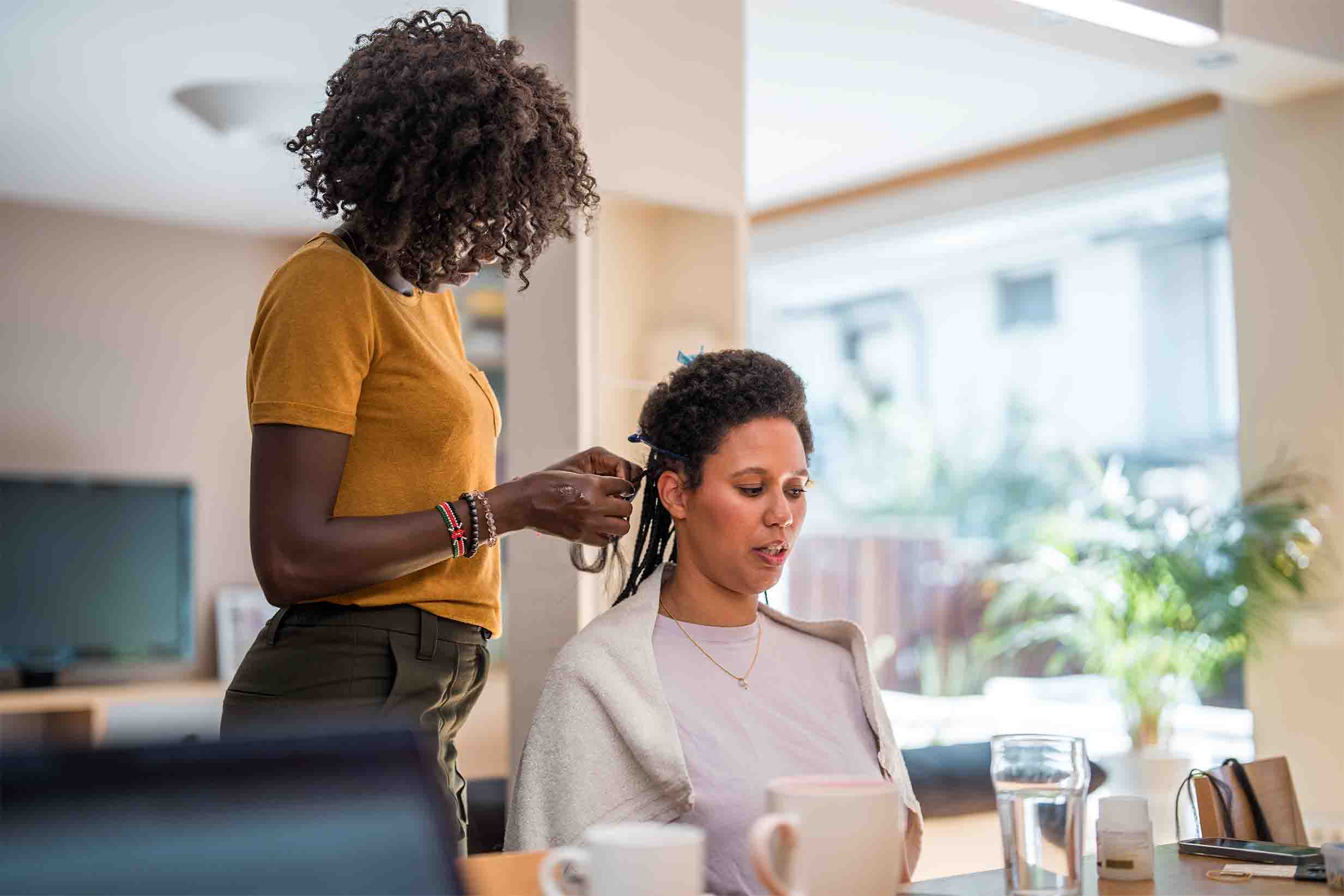
A new study suggests that using hair extensions might pose more potential health risks than previously thought.
While the risks of wearing hair extensions aren’t well understood, scientists are concerned that research keeps revealing they often contain an array of potentially hazardous chemicals.
In one of the biggest studies of its kind to date, researchers at the Silent Spring Institute analyzed samples of 43 popular hair extension products. The extensions were made from synthetic materials or from human hair, banana fiber, or silk.
The scientists found that 91% of the hair extension samples contained at least one chemical on California’s Proposition 65 list (a list of chemicals that are linked to cancer, birth defects, or reproductive harm). Most of the samples — 83% — contained chemicals linked to an increased risk of breast cancer, such as dibutyl phthalate, ethylbenzene, and styrene.
Manufacturers treat hair extensions with chemicals to enhance their appearance and texture; to clean and sanitize them; and to make them heat-, flame-, and water-resistant. People are exposed to the chemicals in hair products through the skin, hair follicles, and by breathing in fumes. Hair extensions may release chemical fumes when heated and styled.
One unexpected finding, the researchers wrote, was that 10% of the samples included organotin compounds. These compounds are used to make plastics such as PVC but are not usually found in consumer products. They’re linked with skin irritation, cancer, and hormone disruption. Some of the hair extensions the researchers tested had organotin compounds at higher levels than what regulators in the European Union consider safe. Organotin compounds are mostly unregulated in U.S. consumer products.
Consumer Reports also did their own tests of hair extensions used for braiding in 2025 and 2026, and found that they contained potentially harmful chemicals, including heavy metals, lead, and benzene.
Experts say that more research is needed to understand any long-term health risks from hair extensions and from hair dyes and straighteners. People often use multiple types of hair products, which may compound the risks.
Because hair extensions are used mostly by Black women, who may wear them for four to six weeks at a time, the findings raise questions about disparities in healthcare. For example, Black women have a higher risk of dying from breast cancer and of being diagnosed with breast cancer at a younger age, compared with white women.
“This is an industry that has long overlooked the health of Black women, who should not have to choose between cultural expression, convenience, and their health,” said Elissia Franklin, PhD, lead author of the Silent Spring study, in a statement.
She added that the study findings “make clear that stronger oversight is urgently needed to protect consumers and push companies to invest in making safer products.”