Immune Cells Can Help TNBC Spread to Other Organs

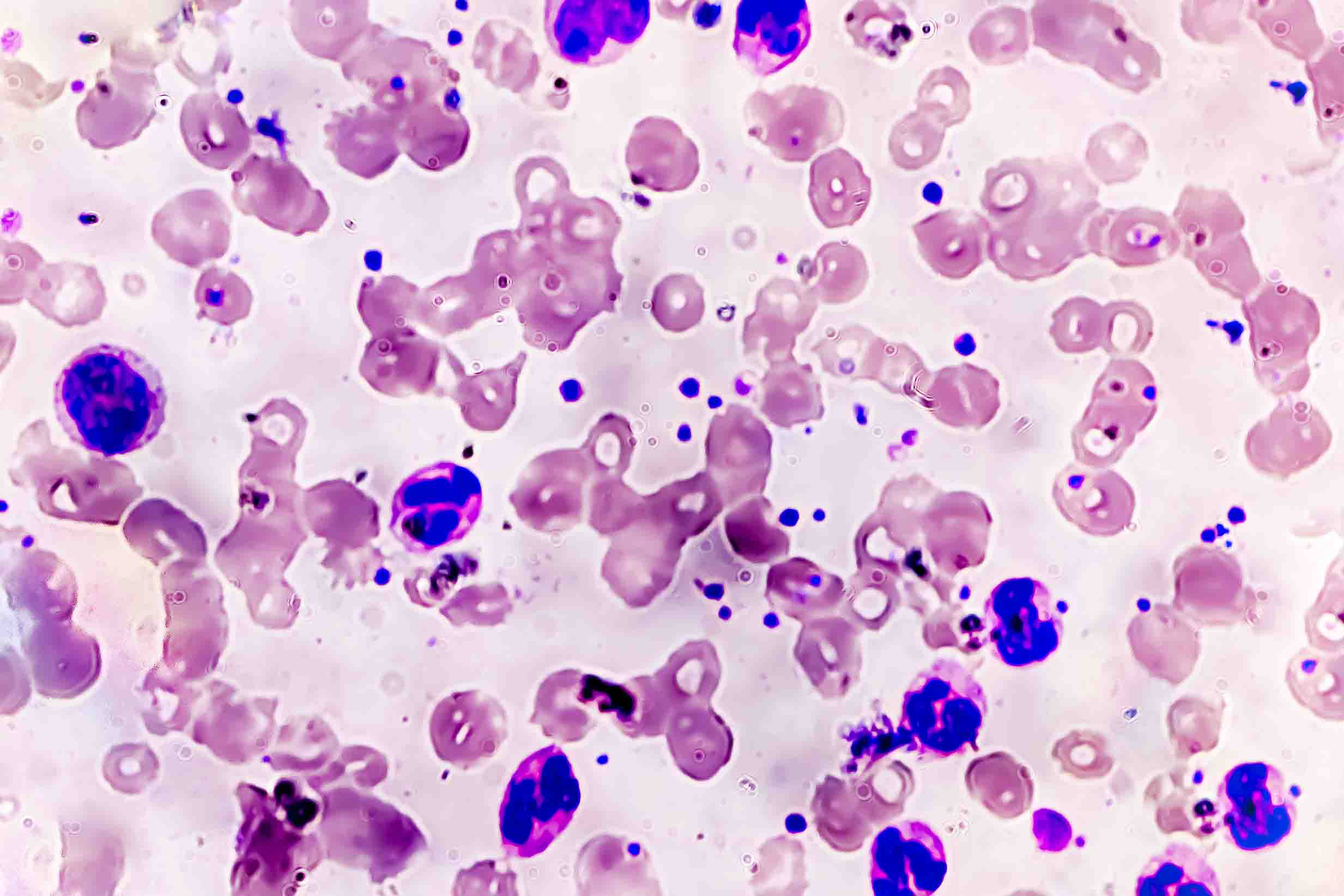
Researchers have discovered how a type of neutrophil, an immune cell that helps fight infection, can help triple-negative breast cancer (TNBC) spread to other parts of the body (metastasize). This discovery may one day lead to a better understanding of how breast cancer grows and spreads, and, hopefully, help researchers develop new treatments that stop this process.
The study is part of a larger body of work looking at the tumor microenvironment — the ecosystem of cells and blood vessels that surrounds a cancer tumor. If you think of the cancer tumor as a house, the tumor microenvironment is its yard and neighborhood. What happens in the tumor affects the microenvironment and what happens in the microenvironment affects the tumor.
In the study, the researchers focused on interactions between specific neutrophils in the tumor microenvironment and TNBC cells.
Neutrophils naturally travel outside the tumor microenvironment, crossing back into the bloodstream. When they do that, the researchers found they carry one type of TNBC cell with them, helping the cancer spread to other organs.
Not all TNBC cells are the same. Some TNBC cells act like epithelial cells, which line the ducts and lobules of the mammary gland. Those are the ones that the neutrophils helped. The same neutrophils behaved differently with a different type of TNBC cell: the neutrophils attacked and killed them.
It’s clear what some TNBC cells get from partnering with neutrophils — they lived longer and got help spreading. But what do the neutrophils gain from pairing up with one type of TNBC cell but not the other?
“We observed that neutrophils [survived longer] when interacting with epithelial-like cancer cells,” explained Ling Wu, PhD, post-doctoral associate at the Baylor School of Medicine and first author of the paper. “[T]hese neutrophils appear to be reprogrammed into specialized partners that support tumor progression.”
Over time, these interactions change the makeup of the cancer tumor. The number of epithelial-like cells increases, which makes it more likely the cancer will spread.
“For patients, the immediate impact of this work is improved understanding of how TNBC progresses,” Wu said. “It highlights that cancer is not simply a collection of malignant cells; it is an ecosystem in which cancer cells interact with immune cells and other components of the tumor microenvironment.”