Where You Live Affects Survival After Breast Cancer

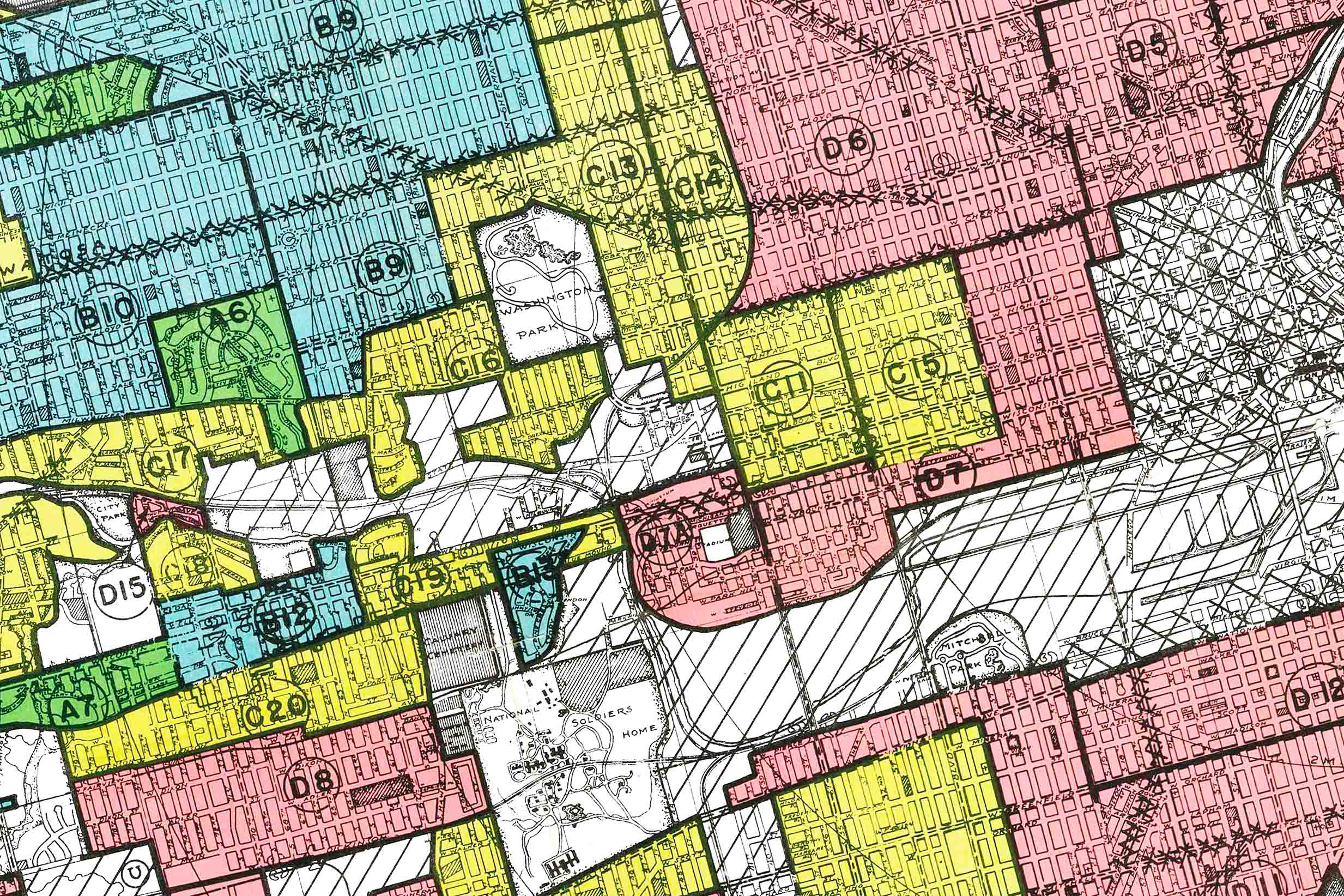
Where you live can shape your chances of surviving breast cancer — and a policy from nearly a century ago may still be playing a role.
A study of more than 135,000 people diagnosed with breast cancer in New York state found that people living in neighborhoods that were “redlined” in the 1930s had lower survival rates than people living in neighborhoods that were not redlined.
The gap narrowed sharply between the late 1990s and the mid-2000s — a shift that researchers and public health advocates pointed to as evidence that expanded screening, broader insurance coverage, and community-based outreach were beginning to correct long-standing disparities. The expectation was that the trend would continue.
Instead, after 2015, the gap started growing again.
The legacy of redlining
Redlining was part of a federally backed housing system that graded neighborhoods based on race and class, marking Black and immigrant communities as “hazardous” and cutting them off from home loans and investment. The practice was later banned by the Fair Housing Act of 1968 — but its effects lingered.
Those decades of disinvestment shaped how neighborhoods developed — and how healthy they are today. Redlined areas are more likely to have fewer healthcare providers, less access to healthy food, and more environmental hazards like highways and pollution. All of these factors can affect cancer and overall health outcomes.
Researching the survival gap
Sarah Lima, PhD, a researcher at Georgetown University’s Lombardi Comprehensive Cancer Center, wanted to know whether the connection between historical redlining and survival of people with breast cancer has changed over time. Lima led a team that analyzed data from the New York State Cancer Registry. They looked at people diagnosed with breast cancer between 1995 and 2019 and mapped where each person lived to historical redlining maps from the 1930s.
In the late 1990s, people diagnosed with breast cancer in the most redlined neighborhoods had a 75% higher risk of dying from any cause within five years compared to people in the least redlined areas. The researchers could not determine whether the lower survival was specifically related to breast cancer.
By the mid-2000s, the gap had shrunk to about a 48% higher risk — still high but a major improvement. But after 2015, it started climbing again — reaching about 63% higher risk in the most recent years studied.
This pattern showed up across racial and ethnic groups, suggesting that neighborhood conditions affect many people — even as racism and unequal treatment in health care also shape outcomes.
Why the gap keeps moving
The researchers believe the differences in survival in redlined and non-redlined neighborhoods come down to access. When new treatments hit the market, people in wealthier neighborhoods tend to get them first.
Lima says people in non-redlined neighborhoods often have advantages that go beyond income. They may be more likely to have health insurance plans with better coverage that gives them faster access to new treatments. “They also may have social connections — like having friends who are physicians — to learn about these developments,” Lima says.
The researchers noticed that the survival gap was especially marked for people with hormone receptor-positive breast cancer. Although the researchers could not determine whether the cause of death was related to breast cancer, they believe the widening of the survival gap may be connected to the arrival of new breast cancer treatments: CDK4/6 inhibitors were approved starting in 2015, and PARP inhibitors in 2018.
"[W]e theorize a patient's access to those new treatments differs based on their redlining grade," Lima says. In other words, even though the medications were approved, access to them may not have been equal.
What this means for you
This research points to a structural problem, not a personal failure. But there are steps you can take.
Stay active. “Physical activity, even walking, has been shown to be effective at improving survival,” Lima says. Studies show that physical activity tends to be lower in redlined neighborhoods — another way the geography of disinvestment can shape health outcomes.
Lean on your people. Social support is linked to better quality of life. That might mean time with friends and family, a support group, or connecting with others in your community.
Ask questions. Don’t wait for your care team to bring up new treatments. Ask whether there are newer options, whether clinical trials are available, and whether a financial navigator or social worker can help with costs or other barriers.
Get involved. Consider becoming an advocate with groups that push for policies that expand access to care, such as the National Breast Cancer Coalition.
Change is possible
One hopeful takeaway from the study is that the gap changed over time: It shrank for a period before widening again. That suggests change is possible, Lima says, but it may take policy action to make access to care more equal.
“To me, this is more evidence that we need to come up with solutions to make our neighborhoods healthier,” she says, “rather than having some part of our health being determined by where we live.”