Interactive Online Tool Improves Quality of Life in Young Breast Cancer Survivors
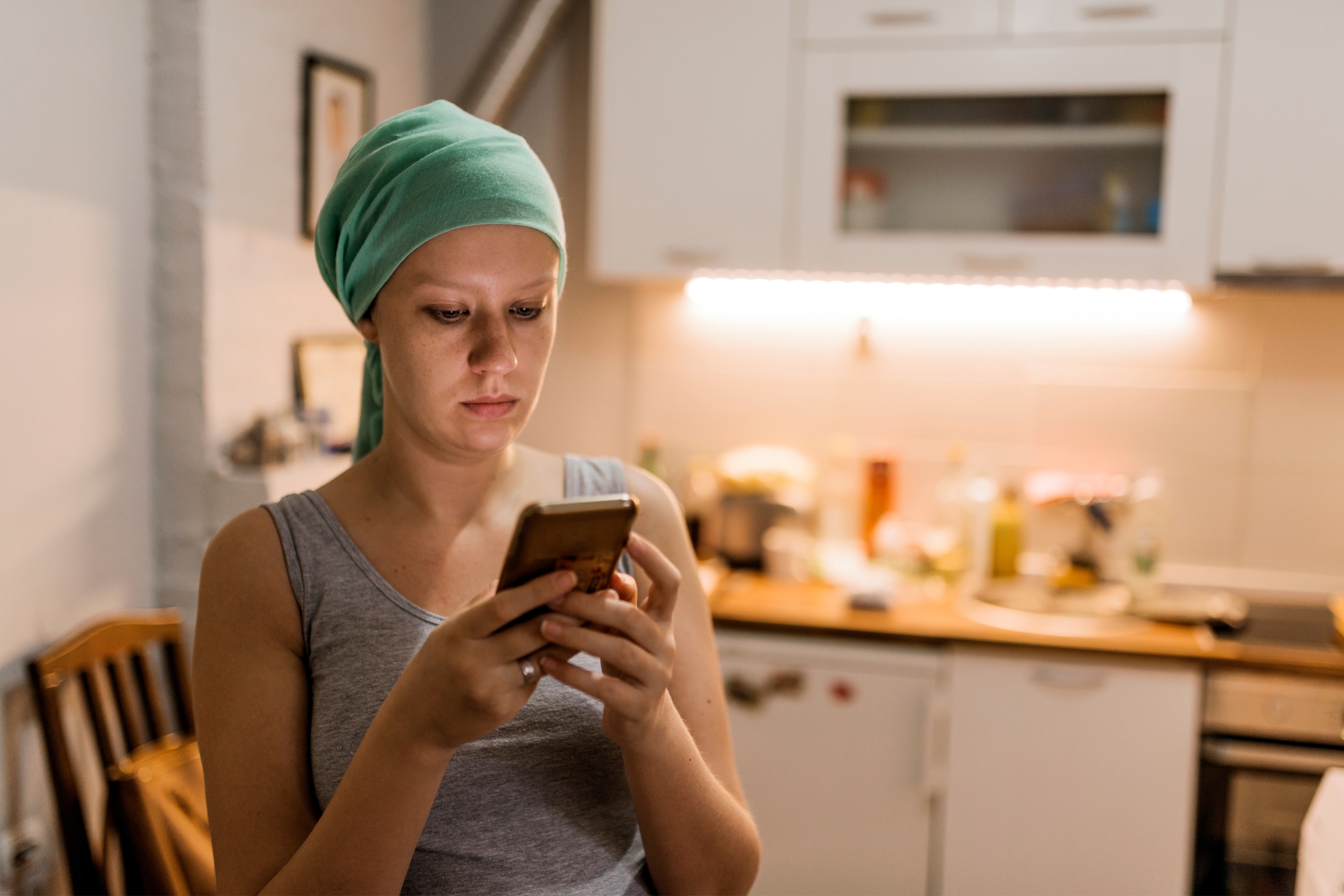
At the 2025 San Antonio Breast Cancer Symposium, Ann Partridge, MD, MPH, presented research on the Young, Empowered & Strong (YES) mHealth tool designed to better meet the emotional and physical health needs of young people who’ve received breast cancer treatment.
Listen to the episode to hear Dr. Partridge explain:
- Sponsor Message
how people access the tool and how it works
- Sponsor Message
the specific symptoms the tool helped improve
- Sponsor Message
what’s next for the tool
This podcast episode is made possible by Lilly.
Welcome to The Breastcancer.org Podcast, the podcast that brings you the latest information on breast cancer research, treatments, side effects, and survivorship issues through expert interviews, as well as personal stories from people affected by breast cancer. Here’s your host, Breastcancer.org Senior Editor, Jamie DePolo.
Jamie DePolo: Hi, I’m Jamie DePolo, senior editor at Breastcancer.org. I’m podcasting live from the 2025 San Antonio Breast Cancer Symposium. I’m joined by Dr. Ann Partridge, vice chair of medical oncology and chief clinical strategy officer at the Dana-Farber Cancer Institute, where she founded and also directs the Program for Young Adults with Breast Cancer. At the conference, she presented the results on a web and app-based program that provides tailored support information based on the symptoms a person enters into the portal.
Dr. Partridge, thanks for talking to me.
Ann Partridge, MD, MPH: Thank you so much, Jamie.
Jamie DePolo: So, why and how did you develop this portal?
Ann Partridge, MD, MPH: So, for many years we’ve run our clinical program trying to better support our providers to better take care of their patients with regard to not only the latest and greatest information and support around their treatment, but around also the psychological, and emotional, and long-term physical symptoms that they might experience with treatment and well into survivorship. And people kept saying to us we want that kind of support, too, at our centers, but we don’t have the resources that you have at a place like Dana-Farber, a big referral center. And so, we created a portable version of our program, a portal, to be administered through either the web or an app that could help to support our patients through and beyond their breast cancer experience.
Jamie DePolo: So, how does it work? You said it’s an app, so people can download it to their phone, and then I’m assuming they could also — it’s a portal — so they could login on a laptop or a desktop?
Ann Partridge, MD, MPH: That’s exactly right. So, we did it both as a web-based portal where they could go online and login, or through an app. And you know, once they were enrolled, they would download the portal, either as an app or get on the web. They could do it on a desktop. They could do it on their smartphones. We think most people were doing it through their smartphones because, of course, this is a young population that we’re taking care of, and they’re more on their phones than anything else, they can still see. And then they were engaged with the portal to use three major components.
So, one component is they get surveys every month through the portal that asks do you have X, Y, and Z symptoms? For this population, it’s hot flashes, pain, vaginal dryness, because that’s common in our survivors, either because they got chemotherapy and/or their hormonal therapy. These are very common symptoms. Or are you concerned about your fertility? Concerned about your finances? Concerned about caring for your young children? If you engaged and said yes I’m worried about these things, or yes I have these symptoms, then you would get tailored information addressing those symptoms and referring you on to other resources, or if they are severe, call your doctor or your healthcare providers.
And if you didn’t endorse those symptoms, then you didn’t get that information, because why would I send someone information about, say, fertility if they’re done with having their kids? They might want to know about contraception and you’d get that.
And so we ask them all these questions in a battery every month for six months, if they were randomized to the portal. And the control group just got usual care and follow-ups. So, their doctors and nurses might’ve been talking about that with them, they might’ve gone online, they could even go to Breastcancer.org and get their own information, but they were not engaged to respond to this PRO [patient-reported outcome].
The other thing that they got was a chat room inside the portal and that chat room was designed so that they could find community and see other people through the portal that were like them. Because we know our young patients are generally a minority group within the wider breast cancer ecosystem, including in the clinics, even at the Dana-Farber, the majority of people are going to be older and nobody looks like them. And so trying to bring this group together to answer their questions that they care about with each other was part of the chat room.
And then finally, there was an expressive writing platform within it. Expressive writing has previously been shown in survivor populations, and particularly young patients, to reduce psychosocial distress.
And so we put these three components into the portal and they were available to women, and then they were prompted regularly to go to the portal, we’ve got these things for you. And for their survey, their ePRO survey. And then once they did that, they could go to the portal and get information. We followed them for six months actively getting engaged, the control group got regular care. And then we surveyed all of them outside of the portal at baseline before they were randomized and then in long-term follow-up at six months and after six months. And the really cool thing is that we saw that overall, it reduced some specific symptoms, and improved both general and cancer-specific quality of life from these women.
And it was within women, they were changing within the women. And we saw greater change.. You know people can get better over time on their own and with usual care, but the women randomized to get the YES on average at both three months and six months reported better quality of life, which is really cool.
Jamie DePolo: Absolutely, cool. I have just two quick questions on that. Were there any men or was it all women? And this was just early-stage, right? There was no metastatic, no people with metastatic disease?
Ann Partridge, MD, MPH: This was just early-stage, stage 0 through III, and the eligibility criteria was self-identified as female.
Jamie DePolo: Okay. Okay, thanks for that.
And obviously the overall quality of life and cancer-specific quality of life is great. Were there specific symptoms that it particularly seemed to help with?
Ann Partridge, MD, MPH: Yes, very clearly. We used a domain measure, the breast cancer prevention trial checklist, which is very well validated and used in lots of breast cancer survivor populations. So, we applied here and indeed the two major symptoms that it improved were arm problems, which is a common problem in our young survivors. They’re more likely to have nodal involvement. They’re more likely to need axillary sampling, as well as full dissection. They get radiation. They often go through bilateral mastectomy, especially those women at very high risk of new primaries. And they also had an improvement in sexual health, vaginal symptoms. And so those two domains saw the greatest benefit.
The other major symptoms we didn’t see clear benefit on average and that included the other BCP domains, BCPT domains, as well as we didn’t see a clear improvement in depression symptoms or anxiety symptoms. So, we have to look and see whether some groups improved, and there’s a lot of work to do to analyze these data. And then we also asked the women. So, we did an exit interview for everybody at the end and we also did qualitative interviewing of 30 people from very diverse communities. People who were rural, people who, you know, spoke English but it wasn’t necessarily their first language, or people who identified as being underserved, and we asked them in particular, how can we better help you? What did the portal do for you? And what did it not do for you? So, we’re going to learn a lot more about, kind of the dose and how to get it right for different populations in the years to come.
Jamie DePolo: Do you know yet, was the portal specifically helpful to specific groups like younger people or maybe people who live further away from the cancer center or something like that?
Ann Partridge, MD, MPH: Yeah, so it’s a great question, and we have just started to look at that. And I am not confident right now because we haven’t analyzed it in a way that I feel that I could say generally, like, we know this or not. But what I can tell you is, anecdotally, that, yes, we do think that it helped people who were more likely to not be able to get into the cancer center or that maybe a little less resource is available. That’s our preliminary look, but there’ll be a lot more data to come on that. So, I kind of don’t want to really say what I think is going to happen because I could be wrong, you know?
Jamie DePolo: Sure. Right, of course. And then so what’s next for the program? I mean, obviously, you have a lot of data, you need to do more analysis, but is it going to be expanded? What’s next?
Ann Partridge, MD, MPH: Yeah. So, I think, two things.
First is for the survivors, we’re going to partner with community members to try and get it out there and study it and implement it. That’s our next goal, so that it can meet more of a broad audience, women who are not coming into, you know, Ohio State, and Columbia, and Dana-Farber, right? These big academic medical centers, really trying to get more out there to women who don’t have access to those big medical centers. That’s number one for the survivors.
For women living with metastatic disease, who were not in this study, but for whom we’ve built a different version of the platform with different information, we’re actually going to start giving it routinely to our patients, at least at our center and our network affiliates, getting it out there.
Because we feel that what we’ve seen so far is that many women tell us they liked it and that they’re benefitting from it. And not every intervention needs a randomized controlled trial. You don’t need to test the parachute, right? There’s some common sense approaches here that are, you know, if we can help even one woman get some better information that’s, you know, you get information everywhere. But if they can have some kind of provider sanctioned, here’s generally what we recommend, and empower them to call their doctor if their symptoms are worse, or they want a medication because we’ve said, you know, you need that.
And also, you know the community-building stuff. Like creating a chat room for our patients to bring together like-minded people in similar situations. And the expressive writing platform is evidence-based. You know, this is kind of a low touch, very scalable, intervention that our center’s going to work on supporting across our patients living with metastatic disease in the next few years. And then we’ll tell people how it works and maybe other centers will adopt that. Or maybe we’ll say, you know, not a lot of people loved it. They didn’t jump on. Once you get outside of the research setting it’s this or that. But I think it has the opportunity, you know, everybody’s online for things. Maybe we’ll have a TikTok opportunity in it.
Like, you know, we need to like go with the times and people are accessing their information and their support online. We shouldn’t be left behind in that. You guys know that better than anybody else, given you’ve been on the forefront of giving information and support online.
Jamie DePolo: Dr. Partridge, thank you so much. I appreciate your time.
Thank you for listening to The Breastcancer.org Podcast. Please subscribe on Apple Podcasts, Google Podcasts on Android, Spotify, or wherever you listen to podcasts. To share your thoughts about this or any episode, email us at podcast@breastcancer.org or leave feedback on the podcast episode landing page on our website. And remember, you can find out a lot more information about breast cancer at Breastcancer.org and you can connect with thousands of people affected by breast cancer by joining our online community.
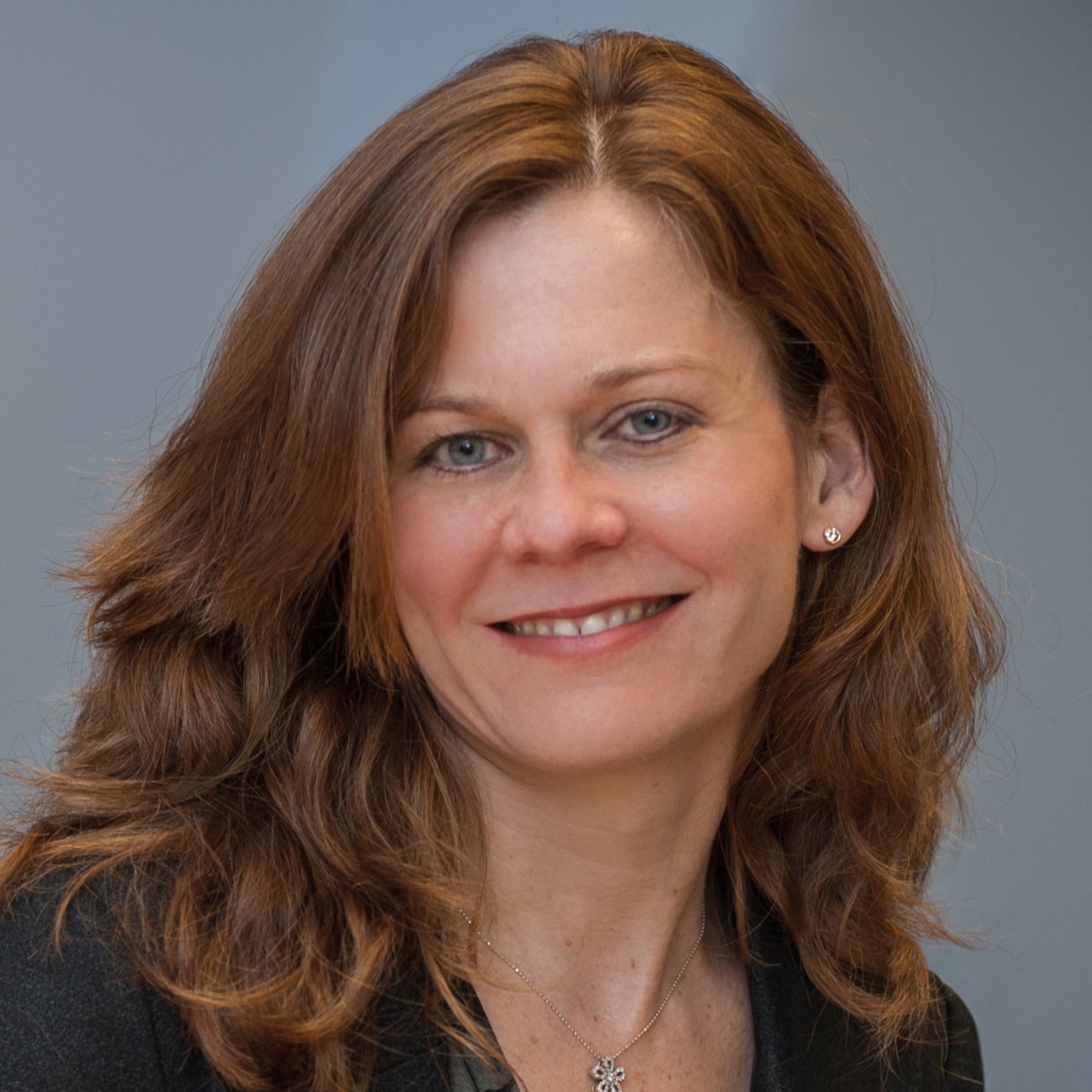
Ann Partridge, MD, MPH, is professor of medicine at Harvard Medical School and holds the Eric P. Winer, MD, Chair in Breast Cancer Research at the Dana-Farber Cancer Institute, where she also serves as vice chair of medical oncology and chief clinical strategy officer. She is also the founder and director of the Program for Young Adults with Breast Cancer and director of the Adult Survivorship Program.

This podcast episode is made possible by Lilly.
Your donation goes directly to what you read, hear, and see on Breastcancer.org.