Proton Therapy Better Than Traditional Radiation for Leptomeningeal Disease
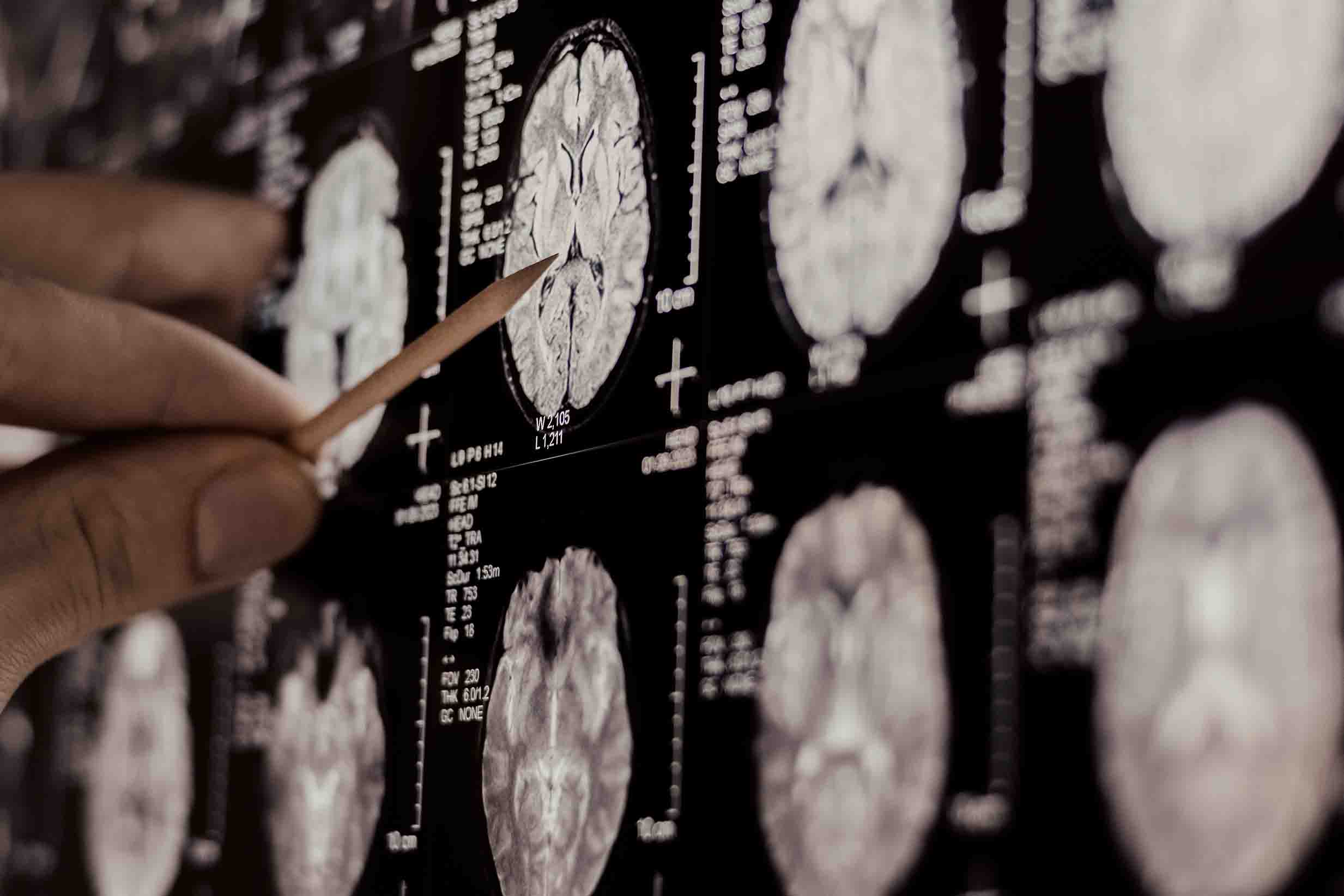
Traditional radiation therapy using X-rays is commonly used to treat leptomeningeal metastatic breast cancer, cancer that has spread to the fluid surrounding the brain and spinal cord. A small study suggests proton radiation therapy, which uses protons to destroy cancer cells rather than X-rays, may offer better outcomes.
The study was published in the journal JAMA Oncology.
Key takeaways
Among people with breast or lung leptomeningeal cancer, central nervous system progression-free survival — how long people lived without the cancer around the brain and spinal cord growing — was about eight months for people who received proton therapy and about two months for people who received X-ray radiation therapy.
Preliminary results from the study suggest that proton therapy also may improve overall survival — how long people live whether or not the cancer grows.
People who received proton therapy reported their ability to do daily tasks was slightly better than people who received X-ray radiation therapy. But because the study was small, this may be due to chance.
What the results mean for you
If you’ve been diagnosed with leptomeningeal breast cancer, you may want to ask your doctor about this study and whether proton therapy makes sense for your unique situation. It is important to know that proton therapy isn’t available at all cancer centers. It’s also more expensive than traditional X-ray radiation and isn’t covered by all insurance plans.
You also may want to ask your doctor about the RADIATE-LM trial, which is a larger study comparing proton therapy and traditional radiation therapy for leptomeningeal disease. That study is actively recruiting participants at 56 locations around the United States.
Why do the study?
Traditional radiation therapy using X-rays, including whole-brain and partial-brain radiation, is the standard of care for leptomeningeal breast cancer. And while this type of radiation has been shown to ease neurological problems, such as balance and speech issues, along with other symptoms, it hasn’t been shown to improve either progression-free or overall survival. Because proton therapy can be more precisely targeted, the researchers wanted to know if it could offer better symptom control and better survival than X-ray radiation therapy.
About the study
The study included two groups of people:
63 people had either breast or non-small cell lung leptomeningeal disease
35 people had different types of leptomeningeal disease, including ovarian, esophageal, colorectal, and pancreatic
The people with breast or non-small cell lung cancer were randomly assigned to receive either X-ray or proton radiation. The researchers wanted twice as many people to receive proton therapy as received X-ray radiation:
42 people received proton craniospinal radiation (the entire brain and spinal cord were treated at the same time)
21 people received X-ray radiation therapy, called photon involved-field radiation (only the affected areas of the brain and spinal cord were treated)
The 35 people with other types of leptomeningeal disease all received proton craniospinal radiation.
Half the people were followed for about two years and half were followed for shorter periods of time.
Detailed results
Among the people with non-small cell lung cancer or breast cancer, proton therapy controlled the growth of cancer in the central nervous system better than traditional radiation therapy:
40% of the people who received proton therapy had progression
76% of the people who received traditional radiation therapy had progression
Among the people with other types of leptomeningeal disease, progression-free survival was about six months.
After just six months of follow-up, the study results showed much better central nervous system progression-free survival for people who received proton therapy. So the committee overseeing the trial recommended the study be stopped early.
Among people with breast or lung leptomeningeal cancer, overall survival was 11 months for people treated with proton therapy and about five months for people treated with X-ray radiation therapy. But the study wasn’t designed to see if proton therapy affected overall survival, so these results need to be confirmed in a larger study.
The researchers noted that people who received proton therapy had lost some of their ability to write legibly, make decisions, and recall words. Still, these side effects are common among people who receive traditional whole-brain radiation. On the other hand, the researchers saw no loss of attention or memory after proton therapy. People in the study reported they had no increase in fatigue and said any depressive symptoms they had improved after proton therapy.
“The findings of this trial suggest that [proton craniospinal radiation] should be considered as a treatment option for leptomeningeal disease, if it’s available,” the researchers concluded.
Source
Yang JT, Yerramilli D, Pentsova E, et al. Proton Craniospinal Irradiation for Patients With Leptomeningeal Metastasis: A Randomized Clinical Trial. JAMA Oncol. 2025;11(11):1293–1301.