Post-Menopause and Your Health: What You Need to Know
In post-menopause, you may continue to have some of the same symptoms you had during peri-menopause, like hot flashes and night sweats. (Although peri-menopause, menopause, and post-menopause aren't diseases, many people use the term "symptoms" to describe the physical and emotional health changes that can happen during this time.) These health changes can linger because your body is still adjusting to the drop in estrogen that happened during the transition through perimenopause and menopause. The good news? Many people report that they become milder, and in some cases, hot flashes and night sweats may go away completely.
You also might find yourself dealing with some new issues, like weight gain and vaginal changes.
When does post-menopause start?
You’re considered post-menopausal once you've gone 12 consecutive months without a period. Post-menopause begins after menopause and lasts for the rest of your life.
If you don’t have a period for six months and then have one, you’re not post-menopausal yet. You have to restart the 12-month count.
It can help to think of menopause as a doorway that you walk through. Peri-menopause is the transitional phase that lasts for about four to eight years. Once you haven’t had a period for 12 months in a row, you walk through the menopause doorway and become post-menopausal.
Post-menopausal signs and symptoms
Post-menopausal weight gain
Because estrogen levels remain low after menopause, many people are more likely to gain weight in post-menopause, especially around their midsection. This weight gain is known as “menopause belly.”
But low estrogen levels alone don’t cause weight gain. Aging, lifestyle factors, and genetics also play a role. As you age, you naturally lose muscle mass and may become less active, which can make it easier to gain weight. It’s also important to know that some women are prescribed progesterone alone for sleep problems during post-menopause. Progesterone can cause water retention and increased appetite, especially for carbohydrates.
“I see a lot of patients given progesterone for sleep but they aren’t really told about these side effects,” said Kristin Rojas, MD, FACS, associate professor of breast surgical oncology, gynecologic oncology, and reproductive medicine at the University of Texas MD Anderson Cancer Center.
Most experts say that basic weight loss strategies, like exercising more and eating fewer calories, can help you lose menopausal weight. You also may want to ask your doctor about a GLP-1 medicine.
Urinary and vaginal changes
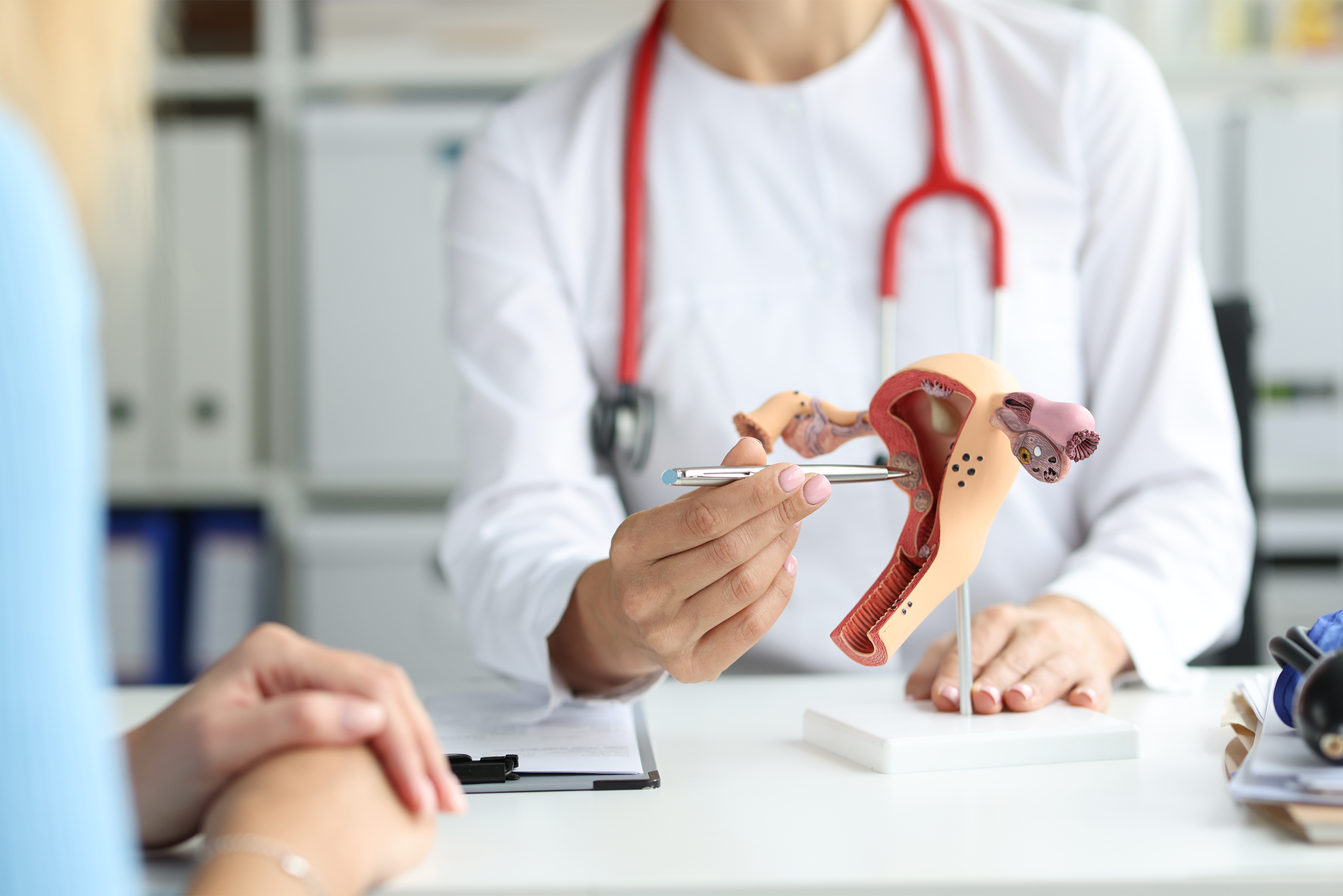
The lower estrogen levels that carry into post-menopause can lead to pain during urination, urinary tract infections (UTIs), peeing more often than usual, and incontinence (the inability to hold your urine). They can also cause vaginal changes, including thinning of the vaginal walls, vaginal dryness, and irritation.
Together, these urinary and vaginal side effects are called genitourinary syndrome of menopause (GSM), and they can affect your sexual health.
Mental health changes
Menopause can affect your mental health and contribute to feelings of anxiety, depression, or other mood changes. This can happen because there are estrogen receptors in your brain, so lower estrogen levels affect your brain chemistry. For some people, these feelings can continue into post-menopause. If they last for more than a few weeks without improvement, it's important to talk to your doctor.
If you’re being treated for breast cancer and one of your medicines is causing these mental health changes, you and your doctor can talk about switching to a different medicine.
Your doctor also can recommend treatments for other post-menopausal symptoms, like hot flashes or GSM. Managing these can help improve your mental health. You also might want to ask your doctor to refer you to an accredited mental health professional who has experience working with people in post-menopause.
Cardiovascular disease
Estrogen helps protect you against cardiovascular diseases like heart attacks and stroke. So, the drop in estrogen that comes with being post-menopausal increases your risk of heart disease. Being less active as you age can also contribute to high blood pressure and high cholesterol, which can further increase that risk. If you’ve received breast cancer treatments such as Herceptin (chemical name: trastuzumab), Adriamycin (chemical name: doxorubicin), or other chemotherapies, you may have an even higher risk of heart problems and may want to talk to your doctor about monitoring your heart health.
Some people think that starting hormone replacement therapy (also called menopausal hormone therapy or HRT) by taking a pill or using a patch will help maintain cardiovascular health. But it’s important to know that if you start HRT more than 10 years after menopause, it can increase your risk of blood clots and stroke.
Diabetes and a family history of heart disease can contribute to your risk of cardiovascular disease as well. Lifestyle choices such as smoking, lack of exercise, and diet are important factors, too. These habits can be hard to change, but even small adjustments can have positive effects on your heart health. The best way to keep your heart healthy is through lifestyle changes. You can work with your doctor on ways to:
Quit smoking if you smoke. Exercise regularly (do something every day, if possible).
Learn relaxation techniques such as meditation, deep breathing, or yoga. Eat a healthy diet that’s rich in unprocessed foods, vegetables, fruit, lean protein, and fiber, and low in saturated fats, sodium, and sugar.
Maintain a healthy weight.
While these changes can help improve your heart health and overall well-being, it's important to continue working with your doctor to monitor your blood pressure and cholesterol regularly. This information, along with any other risk factors you have for cardiovascular disease, can help you and your doctor decide whether you need medicine in addition to making lifestyle changes. Taking a baby aspirin every day — if your doctor recommends it — may also help your heart health.
The American Heart Association Healthy Lifestyle pages are a great place to learn more about building heart-healthy habits.
Post-menopausal bone health
Even though your bones feel hard, they’re living tissue that constantly rebuilds itself throughout your life. During your childhood and teenage years, your body adds new bone faster than it gets rid of old bone. After about age 30, you can start to lose bone faster than your body makes it, which can weaken your bones and increase the risk of breaking them.
Estrogen helps maintain bone density. Because estrogen levels stay low after menopause, you have a higher risk of bone loss and low bone density. According to the Cleveland Clinic, women may lose up to 25% of their bone density in post-menopause at the rate of about 1% to 2% per year.
Doctors use two words to talk about low bone density: osteoporosis and osteopenia.
Osteoporosis develops when your body loses too much bone, doesn’t make enough new bone, or both.
Osteopenia means you have low bone density, but it’s not as severe as osteoporosis. Osteopenia can lead to osteoporosis if it’s not treated.
To treat osteoporosis or osteopenia, your doctor may recommend lifestyle changes, like getting more calcium and vitamin D and doing weight-bearing or strengthening exercises regularly. Some medicines also can help boost bone density.
Post-menopause FAQs
At what age does post-menopause start?
Post-menopause starts at a slightly different age for everyone. Most commonly, it’s in your 50s. In the United States, the average age of post-menopause is about 52.
How long does post-menopause last?
Once you’re in post-menopause, it lasts for the rest of your life. Most people spend about a third of their lives in post-menopause.
Can you get pregnant after menopause?
Becoming pregnant naturally after menopause is impossible because your ovaries are no longer releasing eggs.
However, pregnancy may still be possible after menopause through assisted reproduction or fertility preservation techniques.