Can Sitting Too Much Raise Your Breast Cancer Risk?
Many people don’t move their bodies much throughout the day — often because they’re glued to their desks for their working hours, or simply don’t have time to get a workout in while juggling all of life’s responsibilities. But research shows that an inactive lifestyle can increase your risk of cancer, cardiovascular disease, diabetes, obesity, dementia, and other chronic diseases.
In one study, people who didn’t exercise at all, got less than the recommended 150 minutes of exercise a week, and/or sat for more than eight hours a day were about 5% more likely to die from any cause during the study period than people who exercised for at least 150 minutes a week.
But the good news is that even small changes can make a meaningful difference. A 2019 study of 8,000 middle-aged and older adults found that replacing just 30 minutes of sitting with any type of physical activity cut the risk of early death by 35%. Another study found that doing just three to four minutes of vigorous exercise each day seems to reduce cancer risk.
Key takeaways:
Research shows that being sedentary — especially if you sit for eight or more hours a day — increases your risk of several chronic diseases, including breast cancer.
Just 30 minutes of physical activity per day can reduce your risk.
Regular exercise can also lower the risk of breast cancer recurrence after diagnosis and even reduce treatment side effects.
Physical activity guidelines
Research has linked regular exercise with a lower risk of breast cancer. Exercise is such an important health indicator that all adults are encouraged to meet the U.S. Department of Health’s Physical Activity Guidelines for Americans:
Move more and sit less. Any moderate-to-vigorous physical activity will provide some health benefits.
Aim for at least 150 minutes (2 hours and 30 minutes) to 300 minutes (5 hours) of moderate-intensity aerobic activity each week, or 75 minutes (1 hour and 15 minutes) to 150 minutes (2 hours and 30 minutes) of vigorous-intensity aerobic activity, or a combination of both. It’s best to spread aerobic activity throughout the week.
Do more than 5 hours of moderate-intensity aerobic exercise per week to gain additional health benefits.
Strength train at least 2 days a week. Include activities of moderate or greater intensity that involve all major muscle groups.
Physical activity vs. exercise
These terms are often used interchangeably, but they are not exactly the same. What’s the difference?
Physical activity is any movement that requires your muscles and expends energy. Climbing the stairs, doing housework, gardening, or playing with your kids or grandkids all count as physical activity.
Exercise, however, is planned, structured, and repetitive. There are many types of exercise, including aerobic exercise like cycling, jogging, and swimming, and resistance training like weight lifting or calisthenics.
Since there are so many health benefits to all types of movement, it’s important to incorporate both physical activity and exercise into your routine.
Easy ways to move more every day
If you don’t exercise regularly — or at all — that’s OK. You can start lowering your risk of breast cancer just by getting more physical activity. Try these small changes:
Take the stairs instead of the escalator or elevator.
Park further away from the grocery store or other stops while you run errands.
Walk around your house or office (or outside!) while you talk on the phone.
Play with your kids or grandkids (you can suggest an activity like tag, hot potato, or a dance party).
When you’re ready to add more structured exercise into your routine, talk to your doctor about what’s safe for you. If you’re new to working out, a certified fitness trainer can help you create a plan that’s right for your goals and physical abilities.
If you’re not a fan of the gym, you have other options.
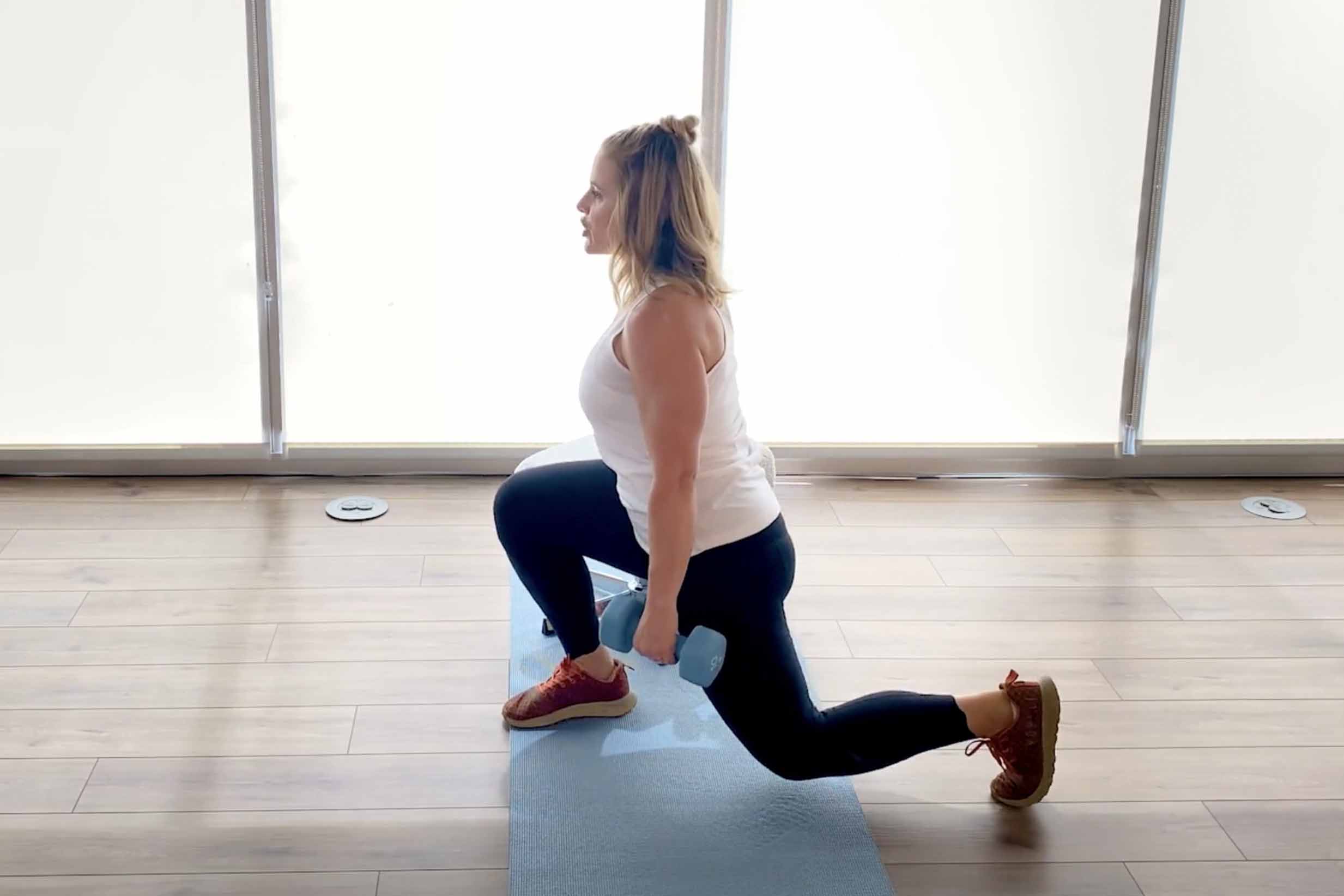
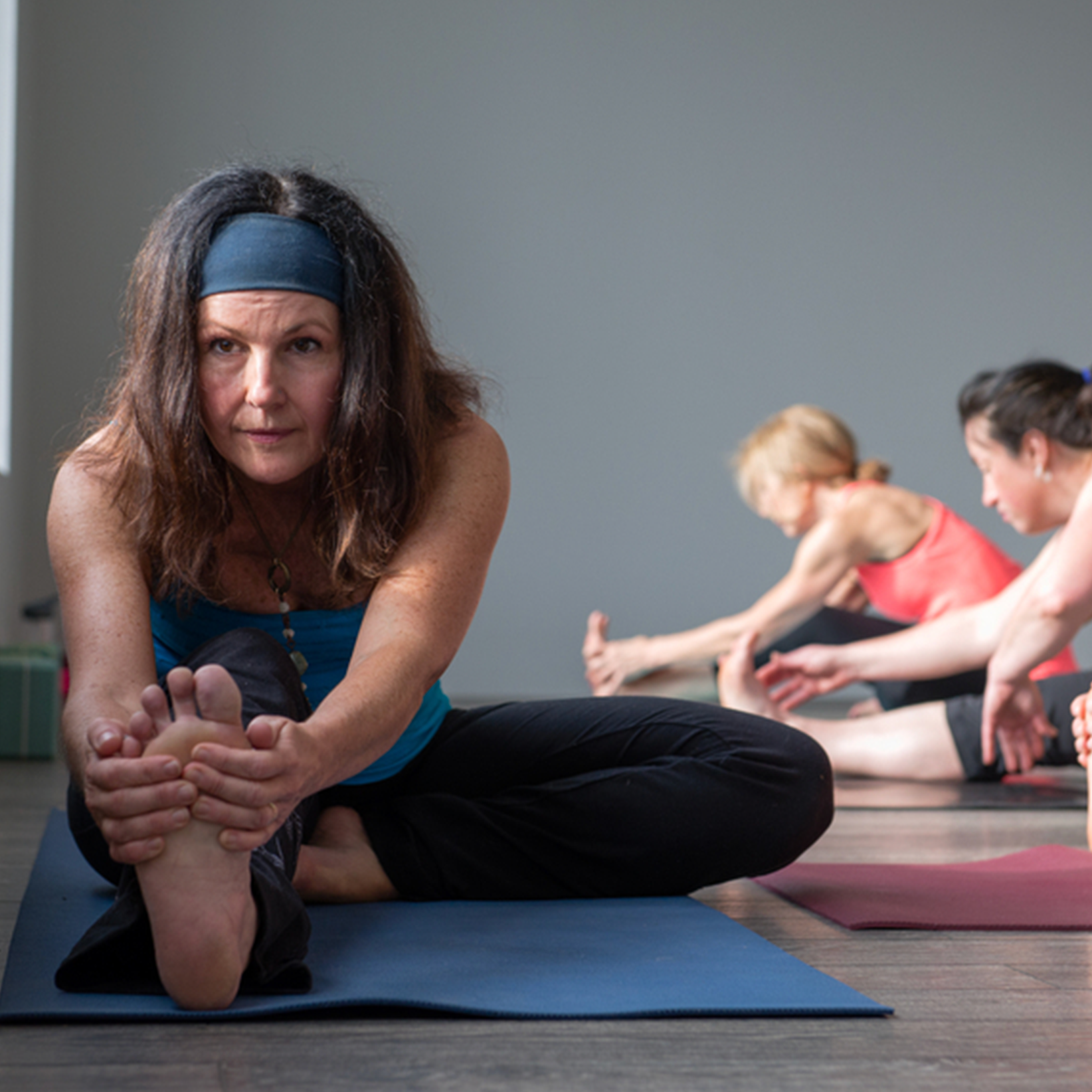
You can exercise at home with dumbbells and cardio machines. You could dance to your favorite music, which is a great aerobic activity. Walking or jogging with a friend is a great way to socialize while getting the benefits of exercise, and so is joining a local recreational sports league. You might also enjoy the community you can find at yoga or Pilates studios.
The most important thing is to find a way to exercise that fits in with your life. If it’s convenient and you genuinely enjoy it, you'll be much more likely to stick with it.