Are There Foods That Cause Breast Cancer?
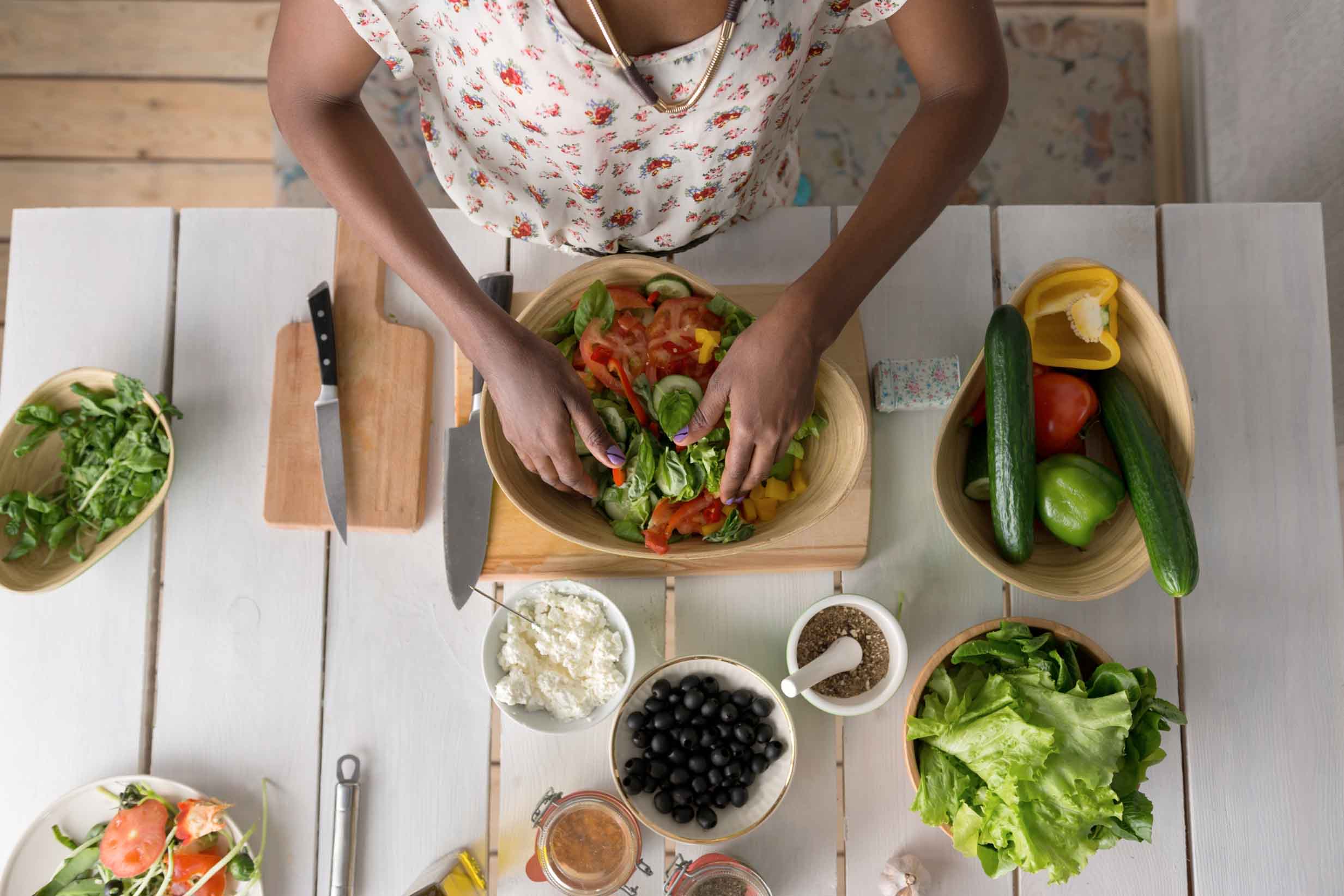
Research on nutrition and breast cancer is complex. Along with your diet, there are many other factors that contribute to your risk of breast cancer, like whether you exercise, smoke, or drink alcohol.
But “aside from alcohol, there are no foods that have been shown to cause breast cancer,” says Jennifer Ligibel, MD, a professor at Harvard Medical School and a senior physician in the Breast Oncology Center at the Dana-Farber Cancer Institute.
However, certain foods have been linked to an increased risk of breast cancer.
By understanding what to limit, you can make changes to eat a healthier diet that includes foods that can lower your risk of breast cancer. If it feels overwhelming, don’t despair. “Small changes add up,” says Alison Meagher, RD, an oncology dietitian at Scripps Health. “It can help to think about what you can add rather than just what you need to take away.”
This is especially true if you already have a breast cancer diagnosis. A healthy diet can help reduce the risk of recurrence, but if you’re dealing with side effects from treatment, you may not always be able to make major changes — and some days, eating anything at all may feel impossible. Perfection isn’t the goal. Instead, think about swaps you can make that are appealing and nutritious, and consider making a healthy meal plan that feels accessible and sustainable for you. Eating something is always better than nothing. The body needs energy for healing.
Foods to limit
There’s no reason to restrict entire food groups or even specific foods from your diet. But cutting back on certain foods may help keep your breast cancer risk low and improve your overall health.
Ultra-processed foods
Ultra-processed foods are foods that contain many additives and preservatives. They’re often high in sugar, fat, and salt, and low in fiber, protein, and essential nutrients. They’re linked to several negative health outcomes, including obesity.
A 2023 study combined data from six studies that included around 462,000 participants. The study showed that the more ultra-processed foods that people ate, the greater their risk of breast cancer.
It’s not yet clear why ultra-processed foods increase cancer risk, but experts have some theories. “Ultra-processed foods typically have a lot of added sugars, saturated fats, and additives, and when consumed consistently and excessively, negatively impact body weight, inflammation, and our gut microbiome,” says Meagher. Early research suggests that gut health may influence breast cancer risk.
“The less processed a food product is, the more nutrients — such as fiber, vitamins, minerals, and phytochemicals — it has, which positively impact our health," Meagher adds.
But it can be difficult to understand what foods are considered “ultra-processed.” Most dietitians define them as foods that have one or more ingredients that wouldn’t be in a home kitchen, like chemical preservatives, high-fructose corn syrup, and artificial colors and flavors. Other foods are considered ultra-processed because of how they’re made—for example, fats in many baked goods are hydrogenated, a process that converts liquid oils into solid fats.
Meagher explains, “To some extent, all foods go through some level of processing to get to our counters. But there is a very big difference between minimally processed foods, such as pasta and dried lentils, compared to ultra-processed foods such as packaged cookies and cupcakes.”
Common ultra-processed foods include:
sugary sodas and energy drinks
meat products like chicken nuggets, hot dogs, and deli meat
most commercial packaged snacks and sweets, like chips and cookies
candy
fast food
instant soups
frozen pizzas and microwavable meals
Processed meats
Processed meat may increase breast cancer risk. A 2022 review combined data from 13 studies (over 1 million participants). When the researchers compared people who regularly ate processed meats with those who didn’t, they found those who ate processed meats were at a 9% greater risk of breast cancer.
Processed meats include:
hot dogs
bacon
sausage
salami
Processed meats are any meat preserved by smoking, curing, salting, or adding chemical preservatives like nitrates or nitrates to enhance flavor or extend shelf life. Smoked foods are also considered processed.
Red meat
Red meat contains high amounts of saturated fat and cholesterol, which are known risk factors for breast cancer. When researchers compared people who regularly ate red meat with those who didn’t, they found that people who ate the highest amounts of red meat were at a 6% higher risk of breast cancer.
Red meat includes:
beef
veal
pork
lamb
Saturated fats
Saturated fats are found in many meat products, butter, cheese, cream, processed snacks, and baked goods. A 2024 review of 55 studies with over 500,000 participants found that a high intake of saturated fat led to a slightly increased risk of breast cancer.
“One thing I tell my patients to limit is saturated fat,” says Meagher. “It has links to breast cancer and several other types of cancers.”
Cutting down on ultra-processed foods and red and processed meats can help decrease your overall saturated fat intake.
Are there foods that reduce the risk of breast cancer?
No food or diet can prevent you from getting breast cancer, but eating mostly whole foods, getting plenty of fiber, and maintaining a healthy weight can help to reduce your overall risk.
One study found that postmenopausal women who regularly ate a Mediterranean diet were at a 40% lower risk of estrogen receptor-negative breast cancer compared with those who didn’t regularly eat this diet.
“We know that the Mediterranean diet — an eating pattern that involves more whole foods, fruits, vegetables, whole grains, and lean proteins is shown to help people live longer, avoid diabetes and heart disease, and keep their weight stable,” Ligibel says.
Research also shows the benefits of a high-fiber diet. A 2020 review found that women who ate a high-fiber diet were 8% less likely to develop breast cancer than those who didn’t eat much fiber. “Fiber [is] one of the most important things in food when it comes to preventing disease,” says Meagher.
Oncology dietitians often recommend that people affected by cancer (or trying to reduce their risk) use the New American Plate to help guide a nutritious diet. The tool was developed by the American Institute for Cancer Research, which funds research that focuses on how nutrition and lifestyle affect the prevention, treatment, and survival of cancer.
But what’s equally important to a nutritious diet when thinking about reducing breast cancer risk is exercising, managing stress, and making other lifestyle changes, Ligibel says.
Steps you can take to reduce your risk
Eat more fiber. Many unprocessed fruits, vegetables, and whole grains are excellent sources of fiber.
Incorporate more fruits and veggies into your diet. Fruit is a great addition to oatmeal, cereal, yogurt, or even dessert. If you struggle with getting enough vegetables, try incorporating them into sauces, soups, or omelets. Aim for a variety of plants to get the most benefit.
Avoid ultra-processed foods. Plan ahead so you don’t need to stop at fast food restaurants while you’re on the go. At the grocery store, choose whole foods as often as possible.
Cook most meals at home. Restaurants often use more oils, butter, and salt than we do at home. Choose healthy recipes full of whole grains, lean proteins, and plants.
Exercise. Moving your body is one of the best ways to stay strong and maintain a healthy weight.
Do your best. That might look different every day — but don’t stress about an “imperfect” day of eating. Focus on making small changes that are accessible and sustainable for you.