Chamomile Extract and Breast Cancer
Chamomile tea isn’t very potent, so research studies typically use chamomile extract, which is a more concentrated form of the herb. The extract can be used in liquids, or capsules, and even topical creams.
Studies in people with cancer have shown that chamomile creams, sprays, and oral rinses may be a safe and effective way to relieve some cancer treatment side effects.
Key Takeaways:
If you're prescribed tamoxifen, chamomile extract may affect enzymes your body uses to process it.
Research on people with head and neck cancer suggested that chamomile gel may be effective at delaying or reducing skin changes caused by radiation.
Studies on using chamomile mouthwash and oral sprays to prevent mouth and throat sores from chemo for head and neck cancer have had mixed results.
Chamomile extract seems to improve sleep quality in people with insomnia, especially older adults — but the study participants did not have a breast cancer diagnosis.
The research on chamomile
There have been several studies on chamomile in people with cancer, but not many focused on people with breast cancer.
Radiation side effects
One study compared the effectiveness of chamomile gel and urea cream to prevent redness, itching, burning, and other skin side effects of radiotherapy (radiation dermatitis) in head and neck cancer patients. The group who received the chamomile gel had delayed or reduced symptoms of dermatitis, so it may be effective for people who are getting radiation treatment for other cancers.
Chemotherapy side effects
Several studies 1 2 3 have looked at whether mouthwash or oral sprays with chamomile extract may help prevent mouth and/or throat sores (mucositis) caused by chemo, but the study results were mixed.
Some study participants developed fewer sores — and the ones they did have were less severe and painful — but others developed just as many sores as the participants on a placebo (a mouthwash or spray that looked like the chamomile extract, but had no medicine), and they were just as severe and painful.
Most of these studies focused on people with head and neck cancer.
Insomnia
Chamomile tea is commonly used as a gentle, natural sleep aid because of its calming and relaxing effects, but some studies have looked at whether chamomile extract, a more potent form of the herb, might be effective for chronic insomnia.
One of those studies found that participants who received 270 mg of chamomile extract each day had a modest improvement in how long it took for them to fall asleep, how many times they woke up during the night, and daytime functioning.
In another study with older adults with insomnia, the treatment group received chamomile extract capsules (200 mg) twice a day for 28 days, while the control group received wheat flour capsules. The researchers found that sleep quality in the treatment group was significantly better than the control group.
Neither study had participants diagnosed with breast cancer.
Cell and animal studies
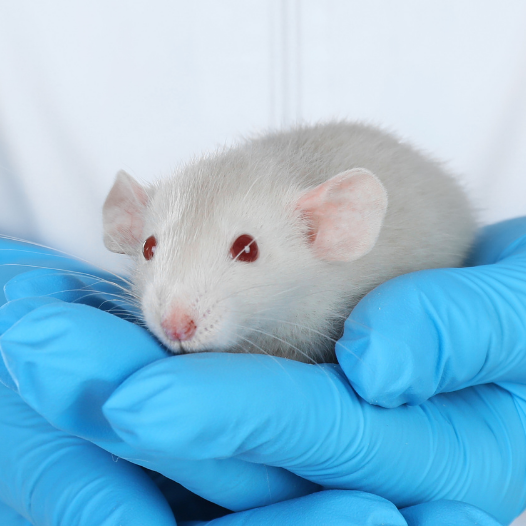
Studies done in cells and animals have suggested that chamomile extract has anti-inflammatory 4 and even anti-cancer 5 properties, though research in animals doesn’t always translate to people.
One study in rats found that chamomile extract given by mouth helped protect the rats from a painful side effect of radiation therapy: inflammation and ulcers on the intestinal lining (intestinal mucositis). Though breast radiation does not cause intestinal mucositis, some chemotherapy medicines (e.g., 5-FU and doxorubicin) can, though it’s rare.
A note about animal and cell studies
Studies in cells and animals are called preclinical studies because they’re done before any studies involving people. They are critical to developing new treatments for breast cancer. But just because a treatment works in a test tube or a mouse doesn't mean it will work in people. When a treatment enters a human body, it interacts with various systems, including the immune system. Experiments on cancer cells in a dish or a mouse can’t replicate those human conditions. This is why early results from preclinical studies can be promising and exciting, but don’t always lead to new treatments for people.
Safety, risks and side effects
Chamomile is generally well tolerated, but it can cause an allergic reaction, especially if you are allergic to ragweed. Taking it on an empty stomach may cause nausea or vomiting.
High doses of chamomile extract taken by mouth may cause drowsiness.
Topical chamomile may cause skin irritation or an allergic skin reaction.
Drug interactions
Some lab studies have suggested chamomile extract may affect enzymes your body uses to process some medicines, including tamoxifen.
Blood thinners: Chamomile may increase the risk of bleeding if you take an anticoagulant like warfarin.
Sedatives: If you take sedatives, chamomile may cause extreme drowsiness.
Cyclosporine: Taking chamomile while using cyclosporine may increase the amount of medicine in your blood, potentially to dangerous levels.
Can people with breast cancer take chamomile?
It’s generally safe to enjoy a cup of chamomile tea. But talk to your doctor before taking chamomile extract or using chamomile gel or cream. More research is needed to determine how safe and effective it is, especially for people with breast cancer.
Carl, W., & Emrich, L. S. (1991). Management of oral mucositis during local radiation and systemic chemotherapy: a study of 98 patients. The Journal of prosthetic dentistry, 66(3), 361–369.
Fidler, P., Loprinzi, C.L., O'Fallon, J.R., Leitch, J.M., Lee, J.K., Hayes, D.L., Novotny, P., Clemens-Schutjer, D., Bartel, J. and Michalak, J.C. (1996), Prospective evaluation of a chamomile mouthwash for prevention of 5-FU-induced oral mucositis. Cancer, 77: 522-525.
Marucci, L., Farneti, A., Di Ridolfi, P., Pinnaro, P., Pellini, R., Giannarelli, D., Vici, P., Conte, M., Landoni, V., & Sanguineti, G. (2017). Double-blind randomized phase III study comparing a mixture of natural agents versus placebo in the prevention of acute mucositis during chemoradiotherapy for head and neck cancer. Head & neck, 39(9), 1761–1769.
Srivastava, J. K., Pandey, M., & Gupta, S. (2009). Chamomile, a novel and selective COX-2 inhibitor with anti-inflammatory activity. Life sciences, 85(19-20), 663–669.
Srivastava, J. K., & Gupta, S. (2007). Antiproliferative and apoptotic effects of chamomile extract in various human cancer cells. Journal of agricultural and food chemistry, 55(23), 9470–9478.