Coenzyme Q10 and Breast Cancer
Some research has suggested an association between low levels of CoQ10 and chronic diseases like cancer.
This led researchers to wonder: Could adding the antioxidant CoQ10 reduce cancer risk?
Key takeaways:
More studies are needed to know if CoQ10 supplements can benefit people with breast cancer.
Some research has shown that people who take antioxidant supplementation — including CoQ10 — before and during breast cancer treatment may be more likely to have breast cancer come back.
CoQ10 may help reduce cancer-related fatigue, but results of preliminary studies are mixed.
The research on Coenzyme Q10
Coenzyme Q10 helps generate energy in your cells. As you get older, the amount of CoQ10 your body produces goes down. If you have heart disease or take statins to control your cholesterol, you may have even lower CoQ10 levels than others.
Several very small studies have looked at the effects of high doses of CoQ10 supplements on people with breast cancer. In one study from the1990s, tumors shrunk in six of 32 people with breast cancer who took CoQ10 supplements.. Also in the 1990s, researchers published a report describing a breast tumor disappearing completely after a person with breast cancer was treated with CoQ10. But because these studies were so small, more research is needed to determine if CoQ10 is effective and safe.
Breast cancer recurrence risk
One study found that people who took antioxidant supplements (vitamins A, C, and E; carotenoids; coenzyme Q10) both before and during treatment for breast cancer were more likely to have breast cancer come back (recur) than people who didn’t take antioxidant supplements.
Cancer-related fatigue
Results of studies on cancer-related fatigue have been mixed.
In one study, people with breast cancer who were experiencing cancer-related fatigue during chemotherapy were given either an oral amino acid jelly containing coenzyme Q10 and L-carnitine or no additional supplementation. Those who received the amino acid jelly experienced less fatigue than those who didn’t receive the supplement.
In another study on people with breast cancer in chemotherapy, participants either received oral supplements of 300 mg CoQ10 or a placebo, each combined with 300 IU of vitamin E. The group who took CoQ10 supplements did not experience less fatigue than the placebo group.
Studies in cells and animals
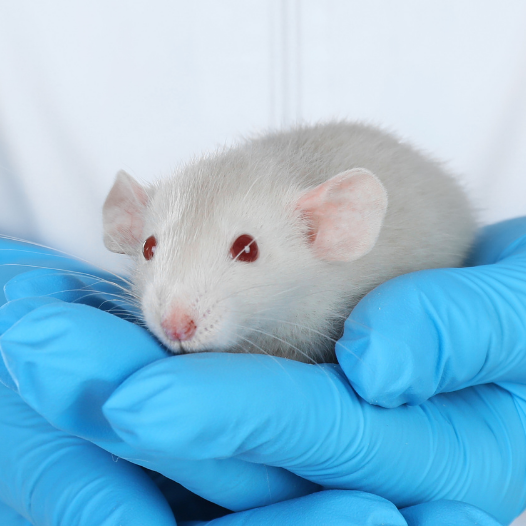
One study in mice found that coenzyme Q10 reduces how a small-cell lung tumor responds to radiation therapy. There haven’t been similar studies on breast cancer tumors.
A note about animal and cell studies
Studies in cells and animals are called preclinical studies because they’re done before any studies involving people. They are critical to developing new treatments for breast cancer. But just because a treatment works in a test tube or a mouse doesn't mean it will work in people. When a treatment enters a human body, it interacts with various systems, including the immune system. Experiments on cancer cells in a dish or a mouse can’t replicate those human conditions. This is why early results from preclinical studies can be promising and exciting, but don’t always lead to new treatments for people.
Safety, risks, and side effects of CoQ10
Side effects of CoQ10 supplements are usually mild: stomach pain, loss of appetite, nausea, and diarrhea.
Drug interactions
CoQ10 might make blood-thinning medicines like warfarin less effective, which may raise the risk of a blood clot.
Should you take CoQ10 if you have breast cancer?
CoQ10 supplements are generally safe, but because some research has suggested they may increase the risk of recurrence, these supplements are not recommended for people with breast cancer.
The best way to get more antioxidants is to eat a balanced diet with a variety of fruits and vegetables.
Before taking any new supplements, talk to your doctor so they can help you determine what would be safe and effective for you.