Should People With Breast Cancer Take Essiac Tea?
Key Takeaways:
There is no evidence that essiac tea can help treat cancer.
Because there have not been studies on essiac tea in people with cancer, the risks of taking it are unknown.
Essiac tea can cause side effects like vomiting, nausea, and diarrhea and can interact with chemotherapy.
Some lab studies suggest that essiac may boost the growth of breast cancer cells.
Essiac tea is reported to have been developed by the Ojibwe tribe of what’s now Canada. It was popularized as a cancer treatment by a nurse from Ontario in the 1920s.
Essiac tea is made up of four herbs: burdock root, Indian rhubarb root, sheep sorrel, and the inner bark of slippery elm. Although often taken as a tea, essiac is also available in powder, capsule, and liquid form.
People who take essiac tea for cancer believe that it shrinks tumors and helps you live longer. They also believe that it boosts the immune system, improves appetite, relieves pain, and improves quality of life. But there have been no studies of essiac tea in people that show it can help treat cancer.
The research on essiac tea
One study that started in 1978 looked at the safety and effectiveness of essiac tea in people with cancer, but the Canadian government stopped the trial in 1982 because the researchers weren’t following proper study protocols. Scientists reviewed the incomplete data that was collected and did not find that essiac tea affected survival.
In the early 1980s, Canadian health officials also reviewed 86 case reports of people with cancer who took essiac tea. They found no evidence that essiac had any effect on cancer.
In 2005, researchers reported the case of a man with prostate cancer whose PSA levels (higher levels can indicate prostate cancer) were rising while he was taking hormone therapy to slow tumor growth. After he started taking essiac tea, his PSA levels dropped and stayed low for months. But the researchers couldn’t confirm that essiac tea was the cause.
A 2006 study looked at whether essiac tea improved the quality of life in people with breast cancer. The researchers looked back at data from 510 people with breast cancer. Some of them had used essiac tea and some had not. They found that essiac tea did not have an effect on well-being, depression, anxiety, or fatigue.
Cell and animal studies
Many lab studies in cells and animals have found that essiac does not have anti-cancer effects.
A note about animal and cell studies
Studies in cells and animals are called preclinical studies because they’re done before any studies involving people. They are critical to developing new treatments for breast cancer. But just because a treatment works in a test tube or a mouse doesn't mean it will work in people. When a treatment enters a human body, it interacts with various systems, including the immune system. Experiments on cancer cells in a dish or a mouse can’t replicate those human conditions. This is why early results from preclinical studies can be promising and exciting, but don’t always lead to new treatments for people.
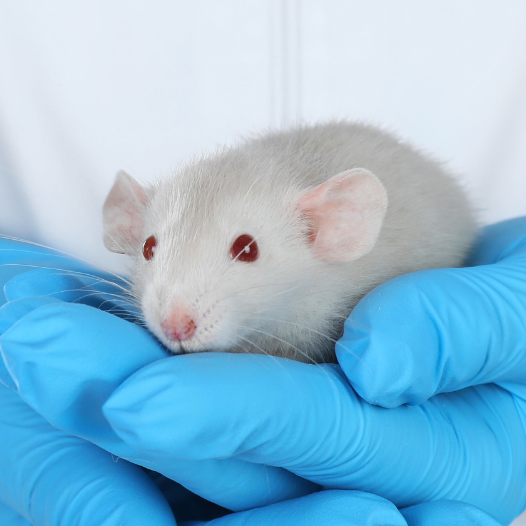
At least eight animal experiments from the mid-1970s and 20 experiments from the early 1980s found that essiac did not help fight cancer. Some studies have even found that essiac increases the growth of breast cancer cells. A few lab studies have found positive results, like a 2004 study that found essiac slowed the spread of prostate cancer cells. A 2009 review, however, found that lab studies on using essiac for cancer are inconclusive.
There have been lab studies on each of the four herbs that make up essiac. Burdock root and slippery elm bark contain antioxidants, Indian rhubarb root may have anti-inflammatory effects and be able to kill cancer cells, and sheep sorrel may also be able to kill cancer cells. Sheep sorrel contains compounds that act like estrogen, which may have both anti- and pro-cancer effects.
Safety, risks, and side effects
Because there have not been studies on essiac tea in people with cancer, the risks are unknown. Side effects of essiac tea include gastrointestinal symptoms like vomiting, nausea, and diarrhea. It also may interact negatively with chemotherapy.
The makers of essiac do not provide much information about how much people should take or how often. Some sellers suggest drinking one to three cups of essiac tea per day and drinking it on an empty stomach to reduce the risk of side effects.
Always talk to your doctor before starting a new supplement.
Should people with breast cancer take essiac tea?
There’s no evidence that essiac tea can help treat breast cancer. And how safe it is for people with breast cancer is unknown. Lab studies suggest that essiac may even boost the growth of breast cancer cells. Your doctor can help you decide if a supplement makes sense for you.