Red Clover for Menopause: Is it Safe?
Red clover is also called cow clover, purple clover beebread, and cowgrass, among other names. It’s available as tablets, capsules, concentrated liquid extracts, and topical creams.
Some people believe that red clover can help relieve menopausal symptoms, such as hot flashes, and may help strengthen bones or even treat osteoporosis. Although several small studies found red clover supplements were more effective than a placebo at relieving hot flashes, these studies didn’t include people with breast cancer.
Key takeaways:
The research is mixed on whether red clover helps ease menopausal symptoms.
People with estrogen receptor-positive breast cancer — or any hormone-sensitive cancers — should avoid red clover.
The research on red clover
There have been some studies on the effects of red clover in people, but not on people with breast cancer.
Menopausal symptoms
Several small studies of women found that those who took red clover supplements had improvements in menopausal symptoms. Specifically, one study found that women who took Promensil, a dietary supplement with 80 mg of red clover isoflavones, for 12 weeks reported a 44% decrease in hot flashes compared with women who took placebo.
Another study of 109 postmenopausal women found that the group that received 80 mg of red clover isoflavones had a significant decrease in the frequency and intensity of hot flashes and night sweats.
But systematic reviews and meta analyses1,2 that combined data from smaller studies have shown mixed results, and none of these studies were done specifically on women with breast cancer.
Bone strength and osteoporosis
In a study of 60 menopausal women, researchers found that a daily supplement of red clover extract containing isoflavones had a positive effect on bone health — but none of the participants had a breast cancer diagnosis.
Cell and animal studies
When it comes to red clover’s effect on breast cancer and bone strength, pre-clinical studies have shown mixed results.
A note about animal and cell studies
Studies in cells and animals are called preclinical studies because they’re done before any studies involving people. They are critical to developing new treatments for breast cancer. But just because a treatment works in a test tube or a mouse doesn't mean it will work in people. When a treatment enters a human body, it interacts with various systems, including the immune system. Experiments on cancer cells in a dish or a mouse can’t replicate those human conditions. This is why early results from preclinical studies can be promising and exciting, but don’t always lead to new treatments for people.
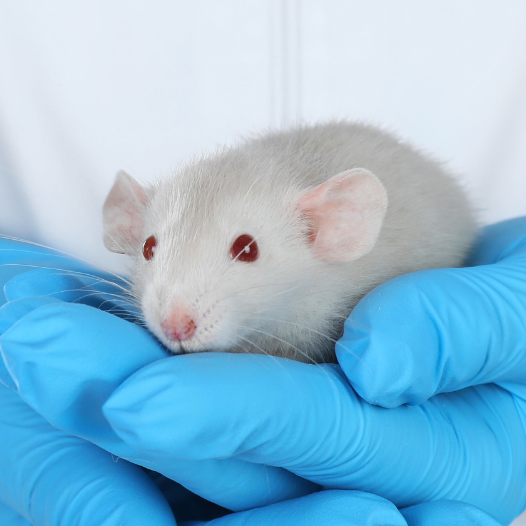
One lab study found that red clover extract may bind to estrogen receptors and could cause estrogen receptor-positive breast cancer to grow and spread.
But another study found that the isoflavone Biochanin A found in red clover may provide protective effects against estrogen receptor-positive breast cancer.
A study in rats found that red clover extract was effective in reducing menopause-related bone loss by reducing bone turnover, but this doesn’t mean it does the same in people.
Safety, risks, and side effects
Red clover supplements may cause mild side effects like:
nausea
bloating
breast tenderness
But there is also the potential for severe allergic reactions. If you experience breathing problems; a racing heart; fever; swelling of the face, lips, mouth, or throat; rash or hives; or dizziness or fainting, call 911 immediately.
Should people with breast cancer use red clover?
Because some research has shown red clover may cause estrogen receptor-positive breast cancer to spread, people with estrogen receptor-positive or other hormone-sensitive cancers should not take it. Always talk to your doctor before trying any new supplements.
1. Coon, J. T., Pittler, M. H., & Ernst, E. (2007). Trifolium pratense isoflavones in the treatment of menopausal hot flushes: a systematic review and meta-analysis. Phytomedicine : international journal of phytotherapy and phytopharmacology, 14(2-3), 153–159. https://doi.org/10.1016/j.phymed.2006.12.009
2. Lethaby, A. E., Brown, J., Marjoribanks, J., Kronenberg, F., Roberts, H., & Eden, J. (2007). Phytoestrogens for vasomotor menopausal symptoms. The Cochrane database of systematic reviews, (4), CD001395. https://doi.org/10.1002/14651858.CD001395.pub3