Popular Hair Growth Supplements May Mess With Your Lab Tests

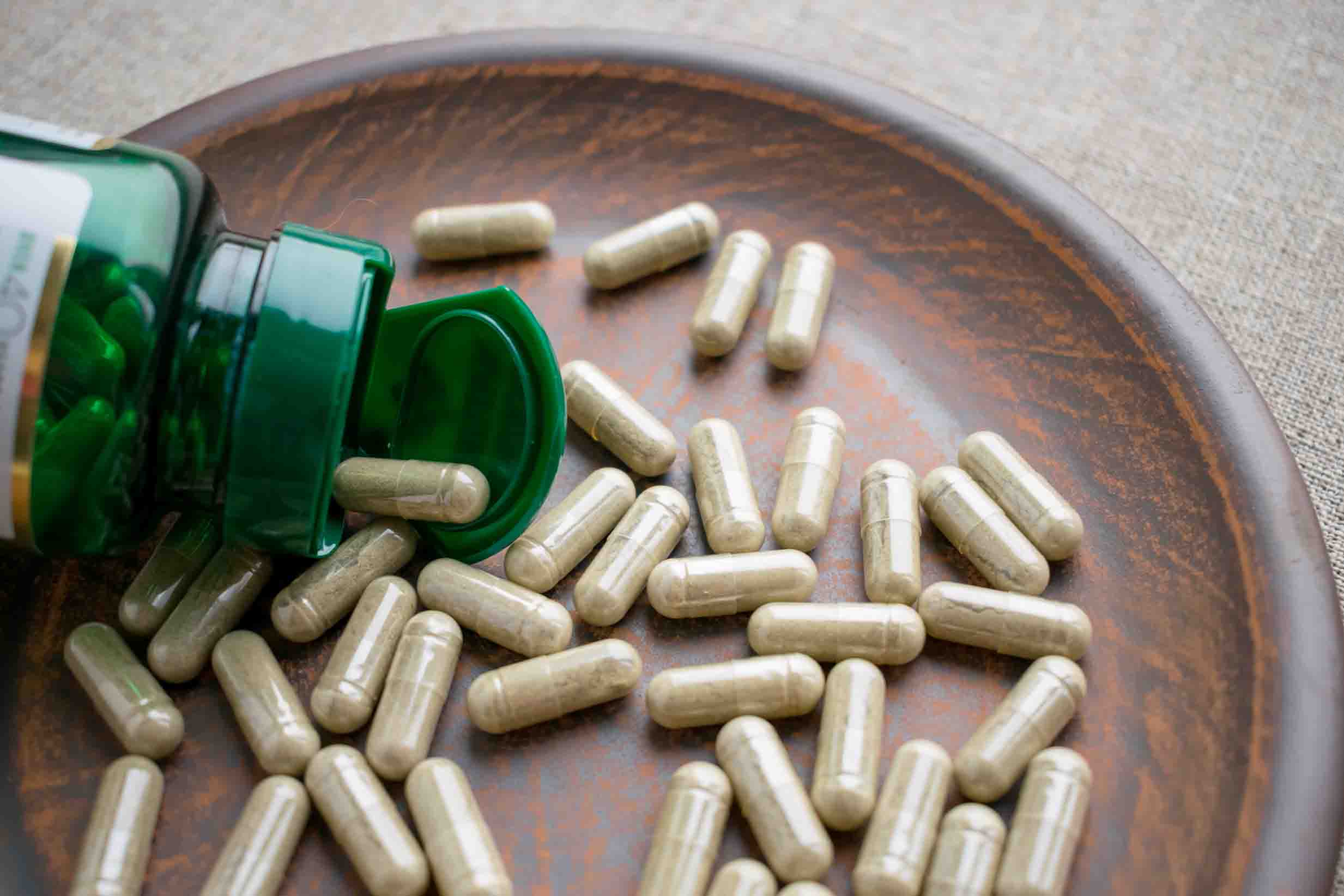
Many people with breast cancer say that hair loss is one of the most troubling side effects of chemotherapy and other treatments. To try and regain some hair and strengthen nails during cancer treatment, many people turn to oral supplements containing biotin — a form of vitamin B7.
In an article published in JCO Oncology Practice, experts warn that taking large amounts of biotin can mess with some of the laboratory tests that your doctor might order for you during your cancer care.
If you’re taking biotin supplements, it’s important to tell your health care team. They’ll probably recommend you pause the supplements a few days before you take a cancer test, or they can order a test that will work for you.
What to know about biotin supplements
Biotin is naturally present in eggs, organ meat, fish, seeds, vegetables, and other foods. And most people in the U.S. get the biotin they need through eating. The body uses biotin to help build proteins like keratin, which is a key component of hair, nails, and skin.
Biotin is a common ingredient in hair growth supplements, including those made by brands like Nutrafol, Viviscal, and Lustriva. Other supplements, like some multivitamins, also contain biotin. The FDA says adults need about 30 micrograms of biotin per day. Popular biotin supplements can contain more than 10 times that amount.
Despite marketing claims from supplement companies, there’s not much evidence that taking biotin supplements improves hair growth or skin or nail health.
A 2024 review article found only three studies on how well biotin supplements work for hair growth — none of which showed the supplement to be very beneficial. The most reliable study found no difference between the group that took supplements and those who took a placebo.
Research does show that taking a large dose of biotin can significantly help treat vitamin B7 deficiency, but that condition is rare in the U.S.
How biotin interferes with blood tests
Researchers have been studying the effects of biotin supplements on lab tests for years. In 2017 the Food and Drug Administration (FDA) issued its first safety warning for laboratory test makers, saying that people who take biotin supplements may get falsely high or low test results.
The biotin that you can take as a supplement is water-soluble, meaning it’s carried in the blood, explains Jonathan Genzen, MD, PhD, advisor of the College of American Pathologists clinical chemistry committee.
That can make it harder to read blood tests. Many cancer tests include antibodies that are designed to attach to certain proteins or other compounds in your blood. Based on the number of compounds those antibodies bind to, your doctors get information about how your cancer is progressing or how your treatment is working.
Some such tests use the proteins avidin or stretavidin. Those proteins can attach to the biotin in your blood rather than the antibodies they’re supposed to pick up, which means you don’t get an accurate result.
That can be a problem for tests, including those that measure estradiol, testosterone, cortisol thyroid function, and other hormone levels. Biotin interference could also be a problem for certain tumor marker tests, such as tests for cancer antigen (CA) 15-3, which is used to monitor metastatic breast cancer.
Depending on the test type, biotin can cause your results to be too high or too low. And false results can lead to delays or changes in your treatment.
Is biotin safe for people with breast cancer?
Biotin is generally safe, but the way that it interferes with lab tests can make it harder for doctors to evaluate changes in your health. If you’re worried about taking biotin supplements, ask your health team about alternative options.
What to do if you’re taking biotin
There are several steps you can take to ensure the accuracy of your test results.
Alert your healthcare provider
If you’re taking a biotin supplement, be sure to tell your healthcare providers about it, Genzen says. Biotin supplements are often sold over the counter, so they’re not often logged in electronic health records.
When your health team has all the information about what medications and supplements you’re taking, they can do a better job making sure that they order tests that will work for you.
Ask your healthcare provider to get more information
Genzen said that most laboratories review their tests to know which ones will be inaccurate for people taking biotin. Many commercial lab tests will also include package inserts with information about all the ingredients in a test and ways that someone could get a false result.
However, doctors don’t always get that information from the lab when they order tests or when they see the results. If you’re worried about interference, ask your health team to check the test’s labels for you when they order the test. If the test doesn’t come with a label, they can call the laboratory to get that information directly.
Stop taking biotin a few days before the test
There’s no firm guidance from the FDA about how to take biotin supplements without affecting your tests, but some studies recommend pausing your biotin supplement 48 to 72 hours before taking a test, depending on the supplement dose and test type.