Why My Perspective on Clinical Trials Changed
At the 2026 American Society of Clinical Oncology (ASCO) Annual Meeting, Megan-Claire Chase, known as Warrior Megsie on social media, was one of the speakers at the ASCO Voices session. In her talk, she explained how her views on clinical trials shifted after she was diagnosed with breast cancer.
Listen to the episode to hear Megsie explain:
- Sponsor Message
some of the reasons why the Black community distrusts the medical system
- Sponsor Message
why she didn’t want to be part of a clinical trial
- Sponsor Message
how her feelings changed after she suffered rare, debilitating side effects from treatment
- Sponsor Message
why she became an outspoken advocate
This podcast episode is made possible, in part, by a grant from Lilly.
Welcome to The Breastcancer.org Podcast, the podcast that brings you the latest information on breast cancer research, treatments, side effects, and survivorship issues through expert interviews as well as personal stories from people affected by breast cancer. Here’s your host, Breastcancer.org Senior Editor Jamie DePolo.
Jamie DePolo: Hi. I'm Jamie DePolo, senior editor at Breastcancer.org. I'm podcasting live from the 2026 American Society of Clinical Oncology Annual Meeting. I'm truly honored to be joined by Megan-Clair Chase, or, as she’s known on the socials, Warrior Megsie. At this annual meeting, Megsie was one of the ASCO Voices, and her talk was on how her perspective on clinical trials changed after she was diagnosed. Megsie, welcome to the podcast. It’s super lovely to see you again.
Megan-Claire Chase: Thank you so much for having me.
Jamie DePolo: So, why did you want to be part of the ASCO Voices program?
Megan-Claire Chase: Well, first of all, what a great way to get a message out to the medical community. They’re the ones that really need to hear from patients, and this was a way to have, like, a captive audience so to speak, and you know, and having a theater background, any time I see a stage, I am there. But I really wanted to take the opportunity to get a message across that’s important and that I think will make an impact and make them think once ASCO is over.
Jamie DePolo: And how did you decide on the topic of your talk?
Megan-Claire Chase: Oh, my gosh, that took me like two months to think about because I was like, I want to say everything, but then I was like no, you know, think of being a storyteller and you know, you want everyone to know everything about your story, but it’s like no, you want them to know about something very specific in your story, and I was like what would be compelling for an audience from the medical community?
And I was thinking of, you know, oncologists. I was thinking of the research. I was thinking of pharma, thinking of advocacy organizations, and I was like, you know what, I've never really talked about how I feel about clinical trials and how I legit never ever, ever would be in one, and then I was like, yeah, and I distinctly remember the clear moment when I realized when I was in active treatment of like, oh, my God, representation is really needed, oh, my gosh, okay, but I really wanted to also say that there are a lot of regulations now.
Like there are things that have improved, but there’s some things that haven’t and I feel like if I wasn’t in this space, I wouldn’t know what all has been improved, and because of the history, you know, in Black bodies, in the Black community, like that’s not getting out. And so, when I realized that, and medications weren’t working in my body, I was like, you know, this would be a really great time for them to better understand what it’s like as a patient, what it’s like and what it feels like to not have medications work in you. And then you start asking, well, how many people look like me that were part of it and I don’t just mean two.
Jamie DePolo: Right. Right. Right. And how can you extrapolate from that?
Megan-Claire Chase: Exactly.
Jamie DePolo: Well, so, I'm going to bring this up and if you don’t want to talk about it, it’s fine. But in your talk, you mentioned the Tuskegee Experiment among others and then there was just a story today in The New York Times about a vaccine trial done on Black children without their parents’ knowledge. I don’t remember how long ago it was. I want to say 10 to 15 years, but it’s just coming to light now.
So, I don’t know that I really have a question, but in light of your talk, yes, things have changed. There’s supposed to be regulations, but then when stories come…like that come out, it seems like it just sets the bar way back to the 1950s and erodes whatever trust has been remade.
Megan-Claire Chase: Absolutely and I definitely want to read more about that, you know. In the community, when I am talking to someone who either looks like me or is part of another minoritized community, we are always aware that when we take two steps forward, we’re rolled, you know, eight steps back, and I think trust is always going to be an issue no matter what. But I do think it’s like acknowledging, okay, if this is still happening, what questions can we ask now, right? Like what were the parents told? What did they sign, you know? Like I'd want to know those kind of questions. And so, I think it’s also, look you all, we know that our bodies are not respected.
We’re constantly told we don’t matter, and that’s in all aspects of our lives and so if we know what questions to ask because at the end of the day we do deserve to have medications work in our bodies with our consent.
So, if we’re not being included or being included without consent, like these medications are not going to work for us. So, I think it’s just a matter of getting the messaging of, you have some power in these conversations and in these rooms. And yes, is it hard to speak up in the moment? Is it hard when you’re hearing terminology that you don’t understand in the moment? Yes, but also, too, don’t make a decision in that moment. Like take a minute and kind of process and don’t feel shame in saying, can you explain that again? Because that’s something I had to learn to do.
Jamie DePolo: Really?
Megan-Claire Chase: Yeah. I mean, because I'm a pretty vocal person. Like I'm a big personality, you know? But when you’re in that exam room and you’re sitting on that table in the ugly gown, you are in such a vulnerable state. And sometimes, you know, I would have my mother with me, other times I wouldn’t and I'd be by myself and I'm like okay, you know what, I need to process this, I will get back to you because I know I will have questions, I just don’t know what they are yet. Or if I don’t feel comfortable with that doctor but I like the nurse, I'll be like, can I see the nurse again?
And then I talk with them. So, I just feel like there are a lot of different ways that you can ask questions because I mean, you’re going to be like I don’t want to bother them. Bother them. Like, you’re the patient.
Jamie DePolo: Yes.
Megan-Claire Chase: This is your life.
Jamie DePolo: Don’t feel ashamed. Like nobody should ever feel ashamed to ask questions, in my opinion.
Megan-Claire Chase: Yeah and it’s hard because if they respond with a condescending attitude, you know, then it’s like well, why’d I even speak up? But yeah, you want to know why you spoke up? Because you matter and at least you will always be able to say that you did ask the questions, and as my Nana always said, it is your patient right to change doctors, ask questions, and get pushy.
Jamie DePolo: Right. Absolutely. Well, let me ask you this. When you were being treated, did you feel any distress or hesitation with any of the healthcare providers you were seeing?
Megan-Claire Chase: Yes. Jamie. Yes. It was my radiation oncologist. So, something that I learned and was not told ahead of time is like I was told, hey, you might get a little pink, make sure you’re moisturizing the area. Well, for melanated skin, many of us who I have talked to, we, actually our flesh burns off.
Like we actually know what a burn victim feels like and many have like open skin and get infections and sores and we’re not told. And so when I went to her, this was like, I believe my sixth treatment, and I was like oh my God, I am burning, like I’m in pain, and she said, oh, I've seen worse.
Jamie DePolo: It’s not really the best answer.
Megan-Claire Chase: And you know, with radiation you have to go every day. I had 33, and when she said that, we were like, walking like down the hall, I just lost it. I fell to the floor and I started crying hysterically and I'm like what do you mean you’ve seen worse? And so, they had to, like, get me to another room. I said I can't see that doctor again, like ever.
So, I was like I do not ever want to see that doctor again. They brought in someone else, and I said she may have seen worse, but I have never seen my flesh burn off. I have never felt my flesh burn off. I was not warned that this could potentially happen. All I was told was, you know, it might get a little sunburn, it might feel warm or a little pink. Well, it got pink and then it got black and then it burned off, and to know what a burn victim feels like, and that was just like one area.
It is so horrifically excruciatingly painful, and it was in that moment I so did not feel heard or seen and the same with my oncologist. Like during active treatment, she was great, you know? But then, when it was time for my post-treatment and I was having these really debilitating reactions, some that were rare and some that they hadn’t seen before, and she was like yeah, just get off it for two weeks and then get back on it. And I was like what are you talking about? Like what part of no are you not understanding?
Like I literally could not move my legs. Like I couldn’t move. That is how debilitating the pain is and you’re telling me to get off it for two weeks and then get back on it. Absolutely not. And so, in that moment, and I used the words I divorce you like purposely because my parents are divorced and I know divorce is painful and it felt like a divorce.
Like that was like the most important relationship I had ever had, it’s probably the most long-term one, but I put so much trust, and then she just like let me go. And then when I realized I was bringing her ideas, I was like wait a minute, I'm not an oncologist, why am I bringing up ideas? And so, that really disappointed me, and in that moment I was like you know what, I can thank you for getting me to this point, but I need a doctor who’s going to listen to me now that I'm in the survivorship stage.
Jamie DePolo: Right. Okay. Okay. Thank you for that. And then one final question, which is not a small question, but you know, you are very active on social media, you speak out, you are a voice for those who maybe aren’t as able to speak up, so, how did you decide to be so vocal and to be such an advocate because most people — or at least the people I've met — I shouldn’t say most people, when they’re diagnosed it’s a very scary time and they tend to retreat within themselves and…but you…and maybe you did that but now you are the exact opposite.
Megan-Claire Chase: I was vocal and open from the get-go and the reason why is I'm an only child and literally my name ends with me. Because I also, you know, my fertility was taken and since I don’t have human children, I was like how are people going to know I once existed?
And then the fact I was experiencing so many challenges and barriers and I was really learning how to navigate the healthcare system on my own, I was like, you know what? Maybe this might help like one or two other people. And that was why I decided to start first through writing because that’s how I process my emotions, and you know, that was why I started the blog Life on the Cancer Train, but I… also I was getting annoyed that I wasn’t seeing blogs talking about the grief, talking about the rage, talking about the depression.
It was all like so light-hearted and I never saw anything from like the single person’s point of view because I am single — at this rate forever — and I was like maybe someone else needs to hear this because when you’re also single and you don’t have kids and you’re also an only child, there’s a lot of isolation and a lot of loneliness in there.
Jamie DePolo: You never had a giant support system.
Megan-Claire Chase: Exactly.
Jamie DePolo: Obviously you have friends and stuff but still a lot of people rely on their family.
Megan-Claire Chase: Right. Right, and also, too, at the time when I was diagnosed I still was under 40. I didn’t know anyone else. So, that took a bit too, but I was like this is a real opportunity to just share the true realities. Like yeah. Do I keep my sense of humor? Absolutely because the essence of me is always dramatic, always hilarious, but also, too, this really impacted my life. I wasn’t prepared.
I feel like I was given a lot of information but not from someone of color and a lot of the side effects or things I would report back to the doctor, I'm getting questioned, and I'm just like, you know what? I need to speak out about this, and I just kept like the more…the more barriers and challenges I hit, the more I started speaking out because I was like, I cannot be the only one and I want to use my…I guess my theater background, my ability to make an impact, I really want to leave some sort of like legacy, some mark in this space of hey, maybe I might have helped people that I don’t know, I will never know, but maybe when they heard my story or they read an article of mine, that prompted them to ask certain questions and that improved their healthcare.
Jamie DePolo: Excellent. Well, and if the reaction to your talk today was any indication, I think you have helped a lot of people and made a lot of people think. So, thank you so much, Megsie. Always appreciate your time and talking to you.
Megan-Claire Chase: It was a pleasure. Thank you for being there.
Thank you for listening to The Breastcancer.org Podcast. Please subscribe on Apple Podcasts, Amazon Music, Spotify, or wherever you listen to podcasts. To share your thoughts about this or any episode, email us at podcast@breastcancer.org, or leave feedback on the podcast episode landing page on our website. And remember, you could find out a lot more information about breast cancer at Breastcancer.org, and you can connect with thousands of people affected by breast cancer by joining our online community.
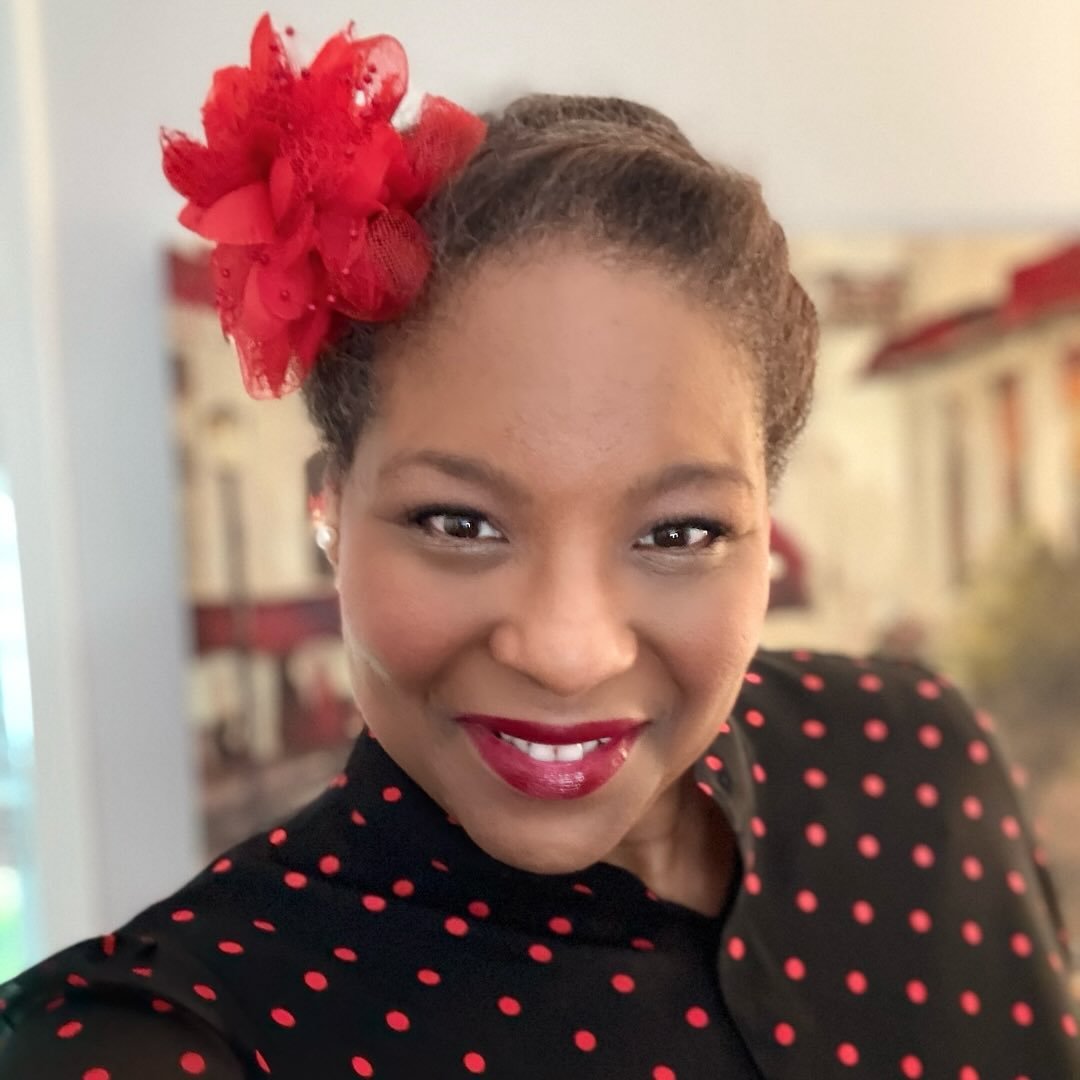
Megan-Claire Chase was diagnosed with stage IIA invasive lobular breast cancer in 2015 at the age of 39. Under the name Warrior Megsie, she writes the Life on the Cancer Train blog about her experiences with cancer, survivorship, and life.

This podcast episode is made possible, in part, by a grant from Lilly.
Your donation goes directly to what you read, hear, and see on Breastcancer.org.