This podcast episode is made possible by Lilly.
Welcome to The Breastcancer.org Podcast, the podcast that brings you the latest information on breast cancer research, treatments, side effects, and survivorship issues through expert interviews, as well as personal stories from people affected by breast cancer. Here's your host, Breastcancer.org senior editor, Jamie DePolo.
Jamie DePolo: Hi, I'm Jamie DePolo, senior editor at Breastcancer.org. I'm podcasting live at the 2025 San Antonio Breast Cancer Symposium. Right now, I'm in the poster session, and I am visiting a poster done by Megan-Claire Chase, and it's on real-world patient and caregiver experiences with breast cancer risk of recurrence in the U.S., and she did an online survey and social media analysis. So, Megan-Claire, what did you discover? Why did you decide to do this?
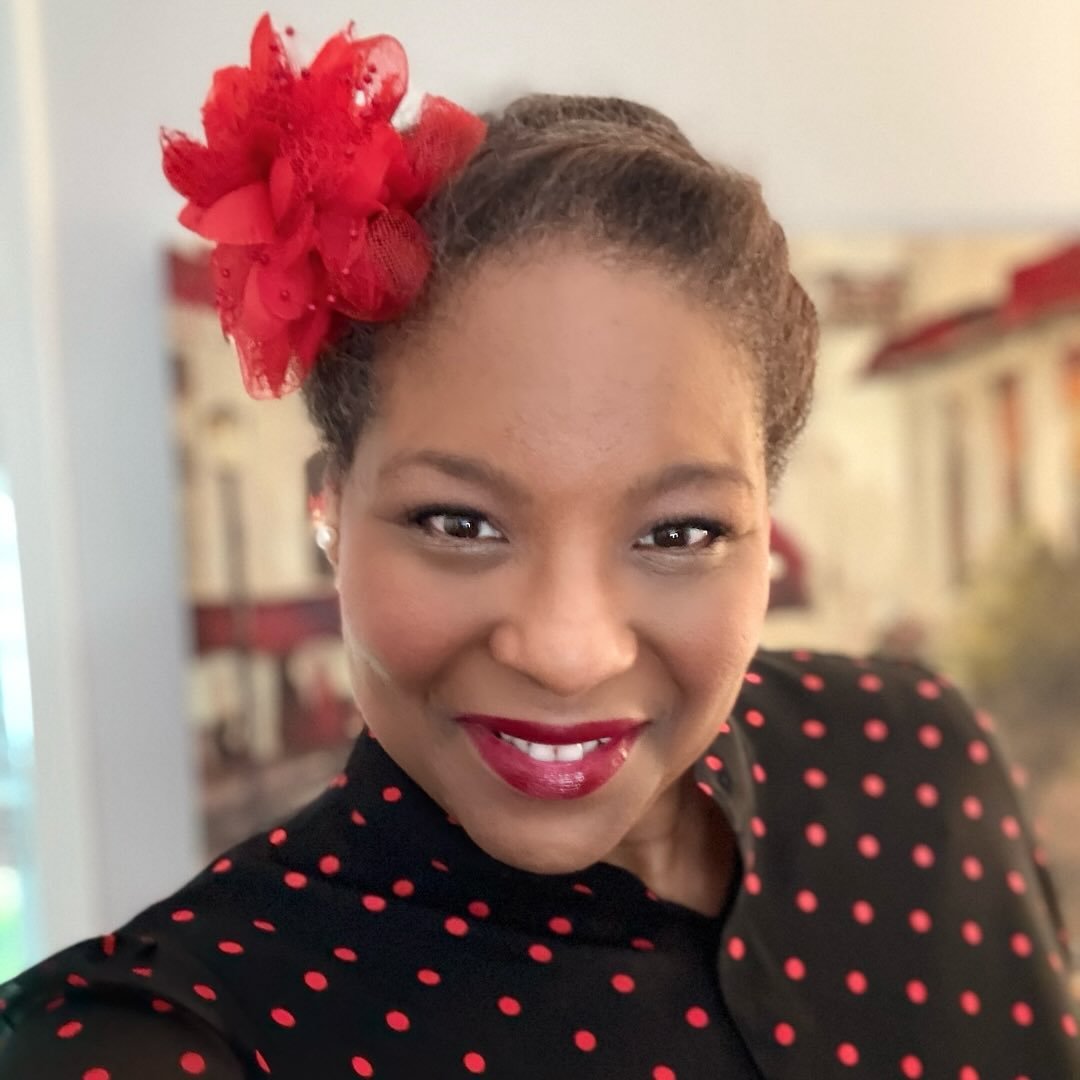
Megan-Claire Chase: So, first of all, I am known as Warrior Megsie in cancerland, and as a 10-year breast cancer survivor and patient advocate, it's exciting when researchers reach out to you and want to bring your voice into the research, right? And so, something that we have learned is even if you're in that survivorship stage, there's still a gap in care. From that first diagnosis, you're not told, hey, you may want to look into acupuncture, or hey, you know, be prepared, you're going to ultimately probably need some mental health support.
And so, the question was, online, in doing kind of like a general survey of, what do you wish that you knew? And what did your caregivers know? And what should we think about as we get further out in survivorship, in that fear of recurrence? Because what we're discovering is a lot of our oncology team, once you get to that five-year mark, they kind of drop you, and then you're given to your primary care provider, or PCP, and there's really no, like, additional direction.
And so, we're not given updated information on what's going to happen once I'm past that five-year or that 10-year, and the type of breast cancer I have…like, for me, I'm an invasive lobular. I can't even say it. It's a long thing to say, invasive lobular breast cancer survivor, but we're starting to see a potential recurrence or metastasis in the research at the 11th year mark, right? And so, I don't have an oncologist. Where are they to tell me here's what you should be looking for as you have that fear of recurrence.
And so, that's what this is all about, and just like the concern, right, of are our doctors paying attention to us, and where are the resources, and we're clearly seeing…a lot of people are going on social media to get their information, to connect with others, and help in that isolation and know they're not alone. But then when you're seeing, over and over again, that people don't know what comes next, especially in that long-term survivorship, it's scary, and we feel that we're without resources, and then what should our caregivers be looking for?
Jamie DePolo: Well, let me ask you this. As far as I know, and as far as the guidelines say, everyone who's been diagnosed and treated for cancer should be given a survivorship care plan, long-term care plan, whatever the technical term is for that. Did any of your research uncover how many people are getting that, not getting it? Did you get one, yourself?
Megan-Claire Chase: That would be a no. So, there is no standard of care, in getting that survivorship packet, of what should be included in that survivorship packet, and then when should it be, like, reevaluated, as you get further out into that survivorship? Now, granted, I went to a cancer center…I come from the big city. I'm from Atlanta, Georgia — what? Go Dawgs! But it's like I got a sheet of paper that just told me what my diagnosis was, and that was it.
And I was like, well, what are next steps here? And now, some cancer centers are doing it right, but it's not a standard of getting a survivorship cancer plan. And then, you know, I attended a session yesterday on metastatic breast cancer, and they were like, where are the survivorship resources for them, too? Because they're like even though we're living with stage IV, there still needs to be some supportive resources and supportive research for them, too. What do they need? Where are we, you know, having some common ground with early-stage, as well?
So, that's what we were seeing, too, with this real-world survey. And again, I got to bring up the caregiver voice, because they often get left out of the conversation on what should they be looking out for? Like, even in like the survivorship care plan, there's nothing for them, to say, hey, either you might need some resources and be able to process this, and then, here are things you should probably be on the lookout for of your loved one or chosen family.
Jamie DePolo: Well, and it's interesting, too. You talk about the five-year mark. We know, I mean, research shows that hormone receptor-positive disease is more likely to recur 10 to 20 years after initial treatment and diagnosis. So, it's a little strange to me that at five years, it's like the cutoff, and you know, do people talk about that, at all?
Megan-Claire Chase: They do. Like, in fact, I am being monitored for a full 10 years because I was diagnosed under 40, and I actually have my scans next week. So, we'll see. We'll see if I'm still in a relationship with NED, no evidence of disease. He's my long-term boyfriend. We love NED! But what we're discovering is our doctors, like, that information is not getting down to us because it's always been told, after that five-year-mark, you're good, we don't need to think about it anymore. But like you said, I asked my breast cancer surgeon, I was like what happens after the 10-year-mark? Do you just get rid of me?
And she goes, no. She goes if you want your scans, we will continue for as long as you want to do them. And I felt like I was able to breathe a sigh of relief. But how is that communicated to patients and caregivers? It's not getting to them that we are seeing like the potential recurrence or a metastasis past the 10-year-mark. So, we need more resources and more voices to talk about it and bring in that real-world experiences, especially because so many people are talking about it on social media.
Jamie DePolo: Right, and I guess I have one last question. You got that information about continuing to get scans because you asked for it. You advocated for yourself. What about people that don't know enough to do that?
Megan-Claire Chase: Oh, my gosh. I was once that person, right? Like, you don't know what you don't know. And so, that's why it's so important to engage with, you know, hate to call it like cancer influencers, right? But it's true. If people are hearing it from a trusted voice, who is part of that community, especially if you've been through it, right? And you're able to really speak on it, and people will trust what you say, and that's why I really encourage advocacy organizations and also industry to really engage and bring the patient voice, because we all respond to things in different mediums.
Different things will resonate with us, whether it's audio, video, you know, something tangible to hold. So, you don't know what you don't know, but darn it, can we have, like, something that's the size of a business card, with some potential like general questions of, here's what you should ask once you're past the 5-year-mark? Here's what you should ask once you're at that 10-year-mark.
Like, should you get more genetic testing? What's beyond BRCA, right? Or if you weren't BRCA-positive, what does that mean for you? Like, it's all of these other questions. And yes, do we need to focus research on those newly diagnosed? Of course, we do, but don't forget about those of us who are surviving, because that's the whole goal is to keep our quality of life and longer survival rates, but we need support now.
Jamie DePolo: Megan-Claire, Warrior Megsie, thank you so much for joining us. I appreciate all your insights, as always.
Megan-Claire Chase: Thank you, so much, for having me.
Thank you for listening to The Breastcancer.org Podcast. Please subscribe on Apple Podcasts, Google Podcasts on Android, Spotify, or wherever you listen to podcasts. To share your thoughts about this or any episode, email us at podcast@breastcancer.org or leave feedback on the podcast episode landing page on our website. And remember, you can find out a lot more information about breast cancer at Breastcancer.org and you can connect with thousands of people affected by breast cancer by joining our online community.