Jill Martin Had a Skin Graft After Breast Cancer Treatment Complications. Here’s Why

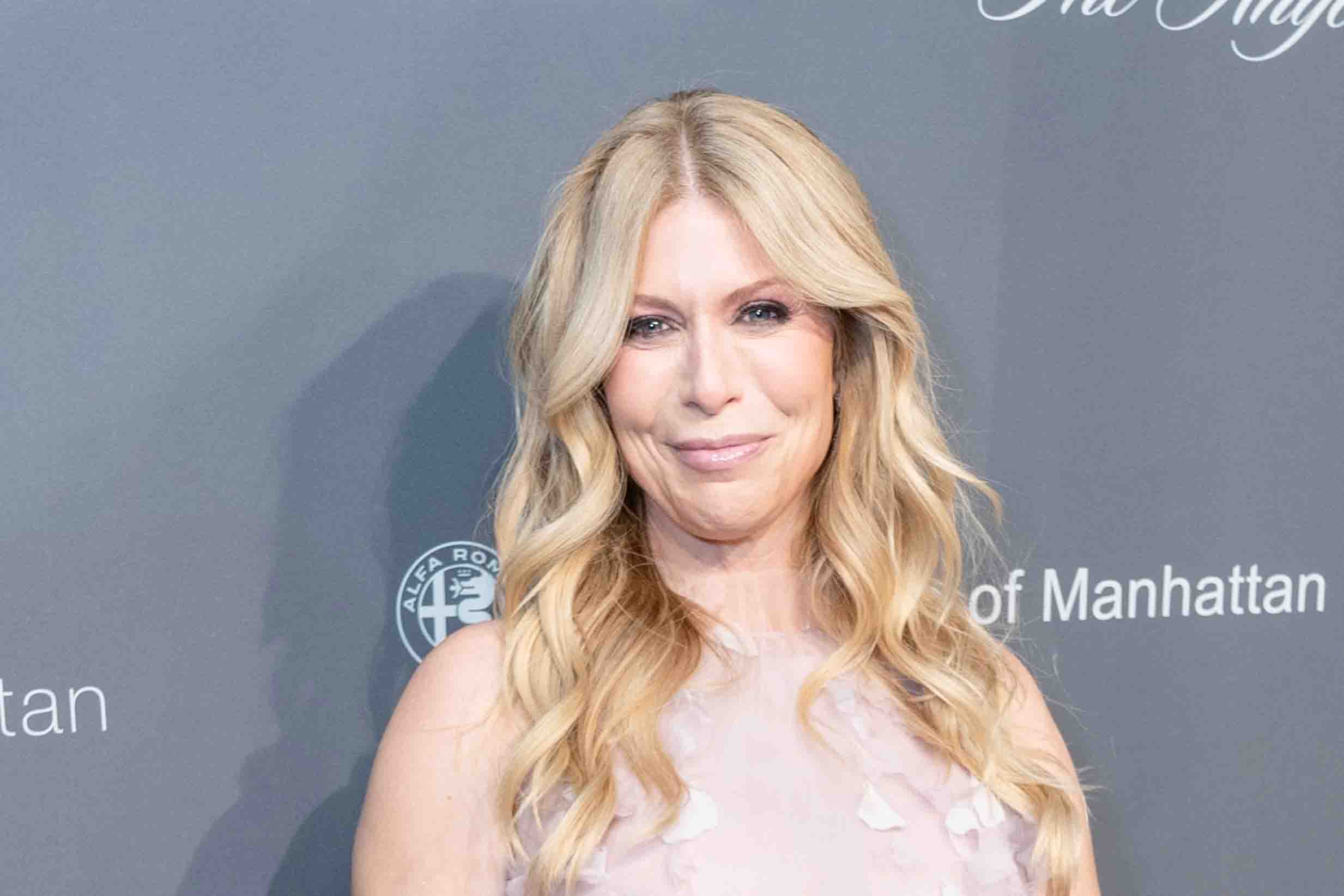
TV personality Jill Martin, best known as a lifestyle contributor for the TODAY show, recently had surgery to prevent further skin damage following a double mastectomy, reconstruction, chemotherapy, and radiation for breast cancer. Martin was diagnosed in 2023 with stage IIB breast cancer after testing positive for a BRCA2 gene mutation.
The corrective reconstruction surgery is her eighth breast cancer-related surgery since her diagnosis, but Martin was quick to allay fears about the cancer taking a turn for the worse. “It’s preventive and proactive — an emergency only in the sense that if we don’t act now, it could turn into something much bigger,” she told TODAY. "It’s important to say this clearly: my cancer is not back.”
Why was this surgery needed?
After her diagnosis, Martin had a mastectomy, reconstruction, and radiation. Sometimes those treatments can damage the skin around the breast and leave it vulnerable to infection. “When you do that, the skin left behind can be very thin,” Elisa Port, MD, a breast surgeon at Mount Sinai Health System and one of Martin’s doctors, told TODAY.
The thinned-out skin can wither and scab over, leading to the cells in the tissue dying. This is known as necrosis. Martin had a surgery to replace the weakest part of her breast skin with a skin graft — a piece of skin from a different part of her body.
What exactly caused her skin damage?
Martin has not shared her exact treatment plan or type of reconstruction so it’s hard to say what the exact causes were, but a mastectomy and immediate breast reconstruction can sometimes lead to skin damage. This happens when either the blood vessels that keep the breast tissue healthy get damaged or the thinned breast skin doesn’t receive enough blood flow. The risk of skin damage is higher when the surgeon removes a larger amount of tissue during the mastectomy.
Necrosis can happen after both implant reconstruction and flap reconstruction, but can be less severe with flap reconstruction. That’s because flaps have their own independent blood supply that promotes healing. Radiation following breast reconstruction may also thin the skin, delay healing, and increase the risk of complications. People who smoke, are obese, or who have diabetes are at higher risk for developing skin necrosis.
Martin told TODAY that she feels both worn out and grateful. “Sometimes it feels like it never really ends. And still — I’m grateful. Grateful for early action, for great doctors, and for the chance to keep moving forward.”