Olivia Munn Says a Breast Cancer Risk Calculator Saved Her Life

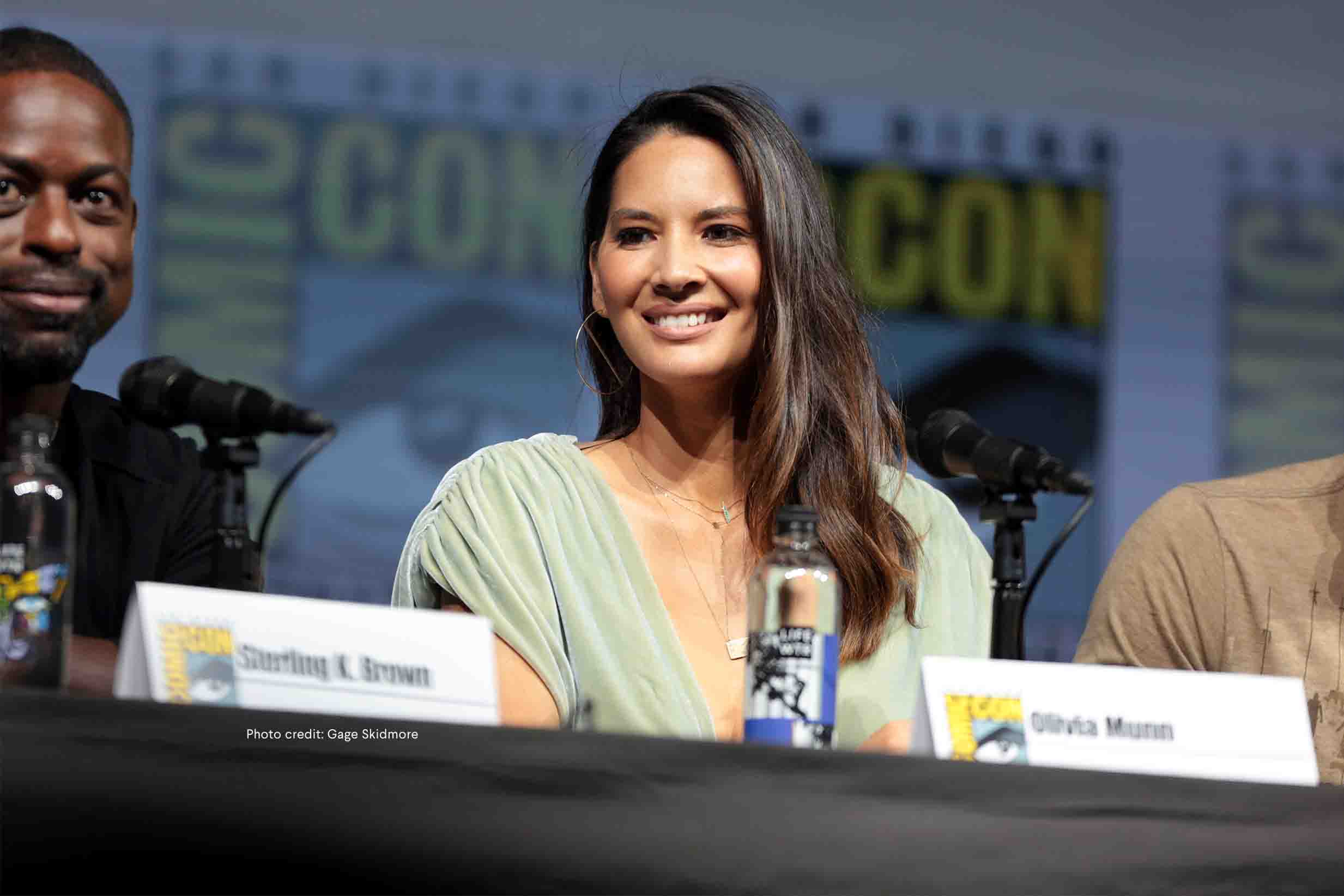
In 2023, actor Olivia Munn was days away from shooting a movie in Germany when she learned she had early-stage luminal B breast cancer in both breasts.
Luminal B is hormone receptor-positive cancer that makes up about 15–20% of all breast cancers. In Munn’s case, it was also HER2-negative. Though the cancer was stage I, Munn opted for an aggressive treatment course. She went through much of the treatment before going public with the diagnosis in 2024.
Since then, Munn has been vocal about the breast cancer risk calculator she says saved her life.
How did a breast cancer risk assessment tool help?
Munn credits her OB/GYN Thais Aliabadi, MD, with saving her life. In an interview with People, Munn shared that she had had a clear mammogram and ultrasound. And comprehensive genetic testing found no BRCA mutations or any other obvious genetic risk factors for breast cancer. But Munn says, “Dr. Aliabadi looked at factors like my age, familial breast cancer history, and the fact that I had my first child after the age of 30,” when urging her to take the Tyrer-Cuzick risk assessment, also called the International Breast Intervention Study (IBIS).
This online assessment looks at a variety of personal and family health factors, such as family history of breast and ovarian cancer, history of hormone use like birth control, age of first period, and, age at childbirth (if applicable). The questionnaire is typically done in partnership with your doctor who can help you understand the results.
Munn’s score revealed a 37.3% lifetime risk of developing breast cancer. Anything over 20% is considered high risk. As Munn explained on The Daily Show, her doctor then sent her for an MRI, which led to a biopsy, and ultimately a cancer diagnosis.
What treatments did Munn have?
Munn had a double mastectomy, surgery to remove lymph nodes, and removal of the ovaries (an oophorectomy), which can reduce the risk of recurrence. (Munn also had a hysterectomy, which does not affect recurrence risk.) Munn has also said hormonal therapy, also called endocrine or anti-estrogen therapy, is a part of her treatment.
Munn’s advocacy
Munn continues to be vocal about her breast cancer journey. She is especially passionate about encouraging people to use a breast cancer risk assessment tool like the one that led to her diagnosis. (She even links to it in her Instagram bio.) In addition to speaking out in interviews, Munn shared photos on Instagram from a SKIMS campaign shoot where she showed her mastectomy scars.
“I decided I was done being insecure about my mastectomy scars,” she wrote on Instagram. “Every mark life has left behind on my body is proof of how hard I fought. I hope other women who have been self-conscious about their scars see these photos and feel all the love.”
What should you know about breast cancer risk assessments and calculators?
Online breast cancer risk calculators are usually free. They use your personal and family health history to calculate your lifetime risk of having breast cancer. Your result is reflected in a percentage — less than 15% is average risk, 15–19% is intermediate risk, and greater than 20% is high risk.
The calculators all have limitations: They tend to overestimate risk for young people and underestimate risk for older people, plus they were modeled on cisgender people of European descent. And if you’ve had breast cancer before, a risk calculator can’t assess the risk of recurrence.
But they can be a useful tool as part of a larger risk assessment that you can do with your doctor. Experts recommend that all women get a risk assessment at age 25 to develop a screening plan personalized to your risk level.
What to know about breast cancer risk factors
Munn has mentioned having a few breast cancer risk factors, such as a family history of breast cancer. But there are other known breast cancer risk factors to be aware of, like having dense breasts, being considered overweight or obese, genetics, and drinking alcohol and smoking.
An assessment or calculator can help you pull together all these factors and understand your lifetime breast cancer risk. Talk to your doctor or other healthcare provider about a risk assessment. You can also take one online and share your results with your healthcare provider to get the conversation started. And since risk factors change, it’s a good idea to do a new risk assessment with your doctor every few years.
Munn has made it a mission to remind everyone of just how important they can be. “I'm lucky,” she told People. “We caught it with enough time that I had options. I want the same for any woman who might have to face this one day.”