11 Remedies for Treatment Side Effects That Aren't Medication
Side effects can be an uncomfortable part of breast cancer treatment. Pain may make it hard to move freely. Anxiety and depression can affect your sleep and mood. And “chemo brain” can make it tough to remember things. Medications can help manage some side effects, but there are at-home remedies that might work too.
1. Tai chi for pain
Mind-body therapies like qigong and tai chi can lower stress, increase energy, and ease cancer pain. Both are traditional Chinese practices that rely on movement, breathing techniques, and meditation. A recent study found that qigong worked best to ease pain during cancer treatment, while tai chi was most effective after treatment.
2. Mindful breathing for pain
Similar to tai chi, mindful breathing can also help with pain from cancer treatments. A small study showed that a single 20-minute session of mindful breathing can quickly relieve pain. The session included four steps: mentally identifying the in- and out-breath, following the entire length of the breath, focusing on the body, and relaxing the body.
3. Mindfulness and tai chi for anxiety
Anxiety is common during breast cancer treatment. Medication and therapy can help, but so can tai chi, according to new research. One study showed that both tai chi and mindfulness boost the moods of people with cancer. Participants who did either a nine-week mindfulness program or an 11-week tai chi program had better moods and improved mental and physical strength compared to people who didn’t do the programs.
4. Exercise for depression
Exercise has a wide range of benefits for people with breast cancer. It can help relieve treatment side effects and may reduce the risk of cancer coming back. Exercise also seems good for depression too. A new review of 73 studies found that exercise may be as good as therapy for easing depression. No single type of exercise worked best, but the authors noted that exercise programs combining resistance training and aerobic exercise were more effective.
5. Music therapy for anxiety
Music therapy may also help reduce feelings of anxiety during and after treatment. A small study of cancer survivors showed that 18 months of telehealth music therapy was just as effective as 18 months of cognitive behavioral therapy (CBT) in reducing anxiety following treatment.
Music therapy and talk therapy may also work well together to treat anxiety. One study found that music therapy combined with cognitive behavioral therapy reduced anxiety in cancer survivors.
6. Self-guided hypnosis for hot flashes
Struggling with hot flashes? You may be able to ease them without hormone replacement therapy. A new study found that self-guided hypnosis reduced hot flashes in 64% of postmenopausal women with a history of breast cancer. The hypnosis session includes listening to a 20-minute audio recording that promotes deep relaxation and concentration.
7. Masturbation for menopause symptoms
Masturbation could help reduce menopause symptoms like fatigue, night sweats, insomnia, and joint pain. In one small study of peri– and postmenopausal women, regular masturbation reduced at least one menopausal symptom in 93% of participants. “Conversations about menopause often focus on hormone therapy or lifestyle changes, but self-pleasure remains overlooked,” said the study author.
8. Acupuncture for chemo brain
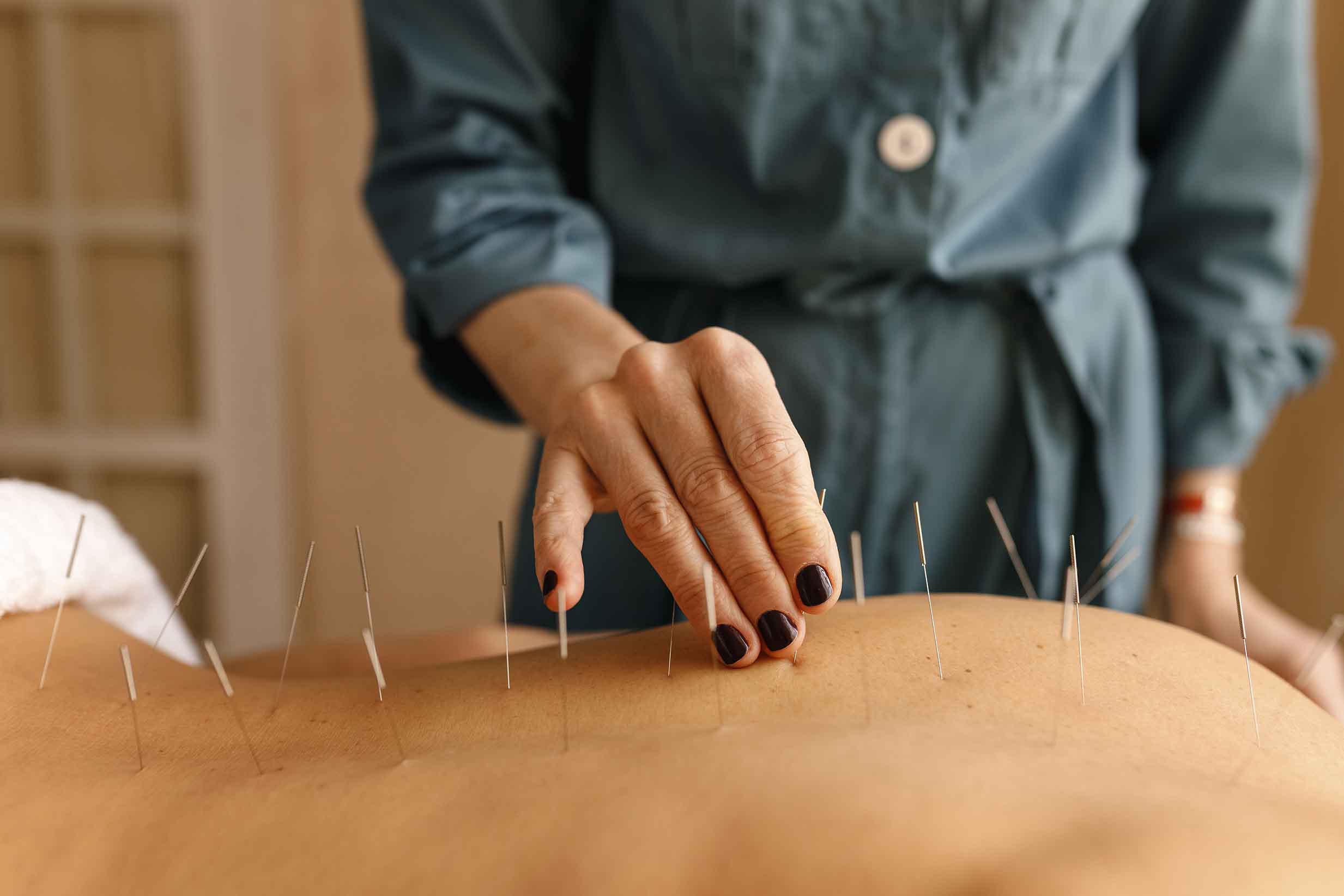
Acupuncture, a part of traditional Chinese medicine, can help relieve fatigue, ease hot flashes, decrease nausea, and lessen pain associated with cancer treatments. New research shows that acupuncture can also help with “chemo brain”, the memory and attention problems caused by chemo or other parts of treatment. For people with breast cancer who finished treatment, acupuncture increased brain function compared to those who didn’t receive acupuncture.
9. Reiki for pain, fatigue, anxiety, and nausea
Reiki, a type of energy healing that originated in Japan, can help increase feelings of relaxation, sleepiness, and well-being. It may also ease symptoms associated with chemo. In a small study, reiki reduced pain, fatigue, anxiety, and nausea in people with cancer undergoing chemotherapy.
10. Exercise to lower your risk of heart problems
Treatments like chemotherapy, radiation, and targeted therapy can raise the risk of heart problems for some people with breast cancer. Research shows that exercise, like daily walks, can lower risk of heart disease for cancer survivors. In one study, women with a history of cancer who got one hour a day of moderate to vigorous physical activity had a 60% lower risk of dying from heart disease.
11. Music listening for chemo brain
A daily session of listening to music may improve problems with thinking, concentration, and memory caused by chemotherapy and other breast cancer treatments. These brain problems are collectively known as “chemo brain” or “brain fog.” A small study found that people with “chemo brain” who listened to music every day for eight weeks saw improved brain function and mood.