Can Vitamin C Help People With Breast Cancer?
Vitamin C, also called ascorbic acid, is a vitamin that people need to live. This antioxidant is naturally found in fruits and vegetables, including:
oranges
grapefruit
strawberries
kiwi
tomatoes
red and green sweet peppers
broccoli
Brussels sprouts
You can also take vitamin C as a supplement.
Key Takeaways:
Getting a lot of vitamin C from your diet may decrease breast cancer risk.
It’s unclear if taking vitamin C supplements reduces breast cancer risk or affects cancer treatment outcomes.
Some researchers think vitamin C supplements could interfere with chemotherapy and radiation, but more research in people is needed.
It’s safe for most people to eat foods that are high in vitamin C, but people with cancer should check with their doctor before taking a supplement.
Vitamin C supplements can be taken as a pill or an intravenous (IV) infusion. IV infusions go directly into the bloodstream, meaning that people who get IV vitamin C often have higher levels of the vitamin in their blood than people who take the supplement by mouth.
What the research shows
Some studies have looked at the effects of vitamin C in people’s diets on cancer outcomes while others have looked at supplements, and the two likely have different effects. There may also be different effects depending on how a person takes vitamin C supplements.
Breast cancer risk
Research is mixed about whether vitamin C can reduce the risk of breast cancer and other types of cancer. Vitamin C from your diet may reduce cancer risk, but supplements likely do not.
An analysis of 36 studies found that people who get a lot of vitamin C in their diet are 13% less likely to develop breast cancer than those who don’t. In contrast, the study did not find a link between vitamin C supplements and breast cancer risk. Another study found no connection between dietary or supplemental vitamin C and breast cancer for most people.
Similarly, most studies have found that people who take multivitamins containing vitamin C are no less likely to develop breast cancer than people who don’t take these multivitamins.
Cancer-related death
Studies in people suggest that those with higher levels of vitamin C in their blood might be less likely to die from cancer, but the evidence is mixed. An analysis of 10 studies found that people with breast cancer who take a vitamin C supplement are 15% less likely to die from cancer than those who don’t take supplements. But other research in people with breast cancer has not found this link.
Cancer treatment side effects
A few small studies in people suggest vitamin C supplements may reduce side effects of cancer treatment like damage to healthy cells from chemotherapy and dry mouth from radiation. But other studies have found that vitamin C has no effect.
Cell and animal studies
Some researchers think vitamin C and other antioxidants could make chemotherapy more effective, but others think it could make chemo and radiation less effective. These theories are mostly based on cell and animal studies. Much more research in people is needed.
A note about animal and cell studies
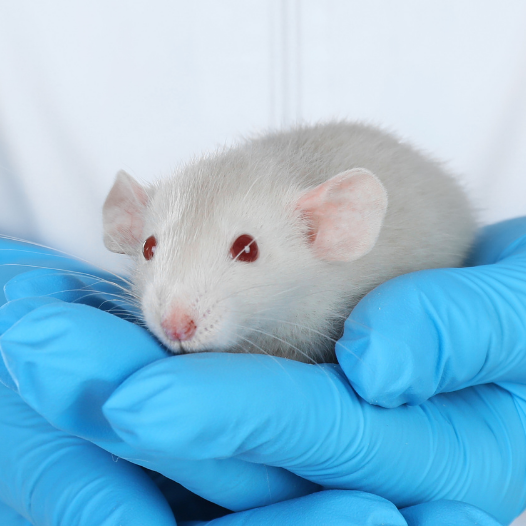
Studies in cells and animals are called preclinical studies because they’re done before any studies involving people. They are critical to developing new treatments for breast cancer. But just because a treatment works in a test tube or a mouse doesn't mean it will work in people. When a treatment enters a human body, it interacts with various systems, including the immune system. Experiments on cancer cells in a dish or a mouse can’t replicate those human conditions. This is why early results from preclinical studies can be promising and exciting, but don’t always lead to new treatments for people.
Cancer cells take up more vitamin C than healthy cells, but it’s not clear why or if it helps or hurts them. If vitamin C does help prevent cancer or improve cancer outcomes, it may be due to its antioxidant effects. It may also help kill cancer cells and block metastasis.
Other uses
One of the most common reasons why people take vitamin C supplements is to help prevent and treat the common cold and other respiratory illnesses like COVID-19. However, research generally doesn’t support this.
Safety, risks, and side effects
Experts recommend that women have 75 mg of vitamin C per day and men have 90 mg. People who smoke should take 35 mg per day more than that. Supplement doses are often much higher, around 400 to 1,000 mg per day. Don’t take more than a total of 2,000 mg per day via food or supplements, or else you’re likely to have gastrointestinal symptoms like diarrhea and nausea.
Because vitamin C supplements could interfere with chemotherapy and radiation, ask your oncologist before taking them. Vitamin C may also increase estrogen levels — especially if used with a birth control pill or hormone replacement therapy — so be cautious if you have estrogen receptor-positive cancer.
Do not take vitamin C supplements if you get kidney stones or have kidney disease because they can increase the risk of kidney stones and kidney damage in people with kidney disease. Ask your doctor before taking it with beta-blockers or paracetamol because it may change how these medicines work.
Side effects are rare and can include stomach cramps, heartburn, headache, diarrhea, nausea, vomiting, and inflammation of the esophagus.
So should you take vitamin C supplements?
It’s unclear whether vitamin C supplements can reduce cancer risk and improve cancer outcomes, including for breast cancer, but research suggests this is unlikely. In addition, vitamin C supplements may interfere with radiation and some types of chemotherapy, and they might raise estrogen levels. Talk to your doctor before taking vitamin C supplements.