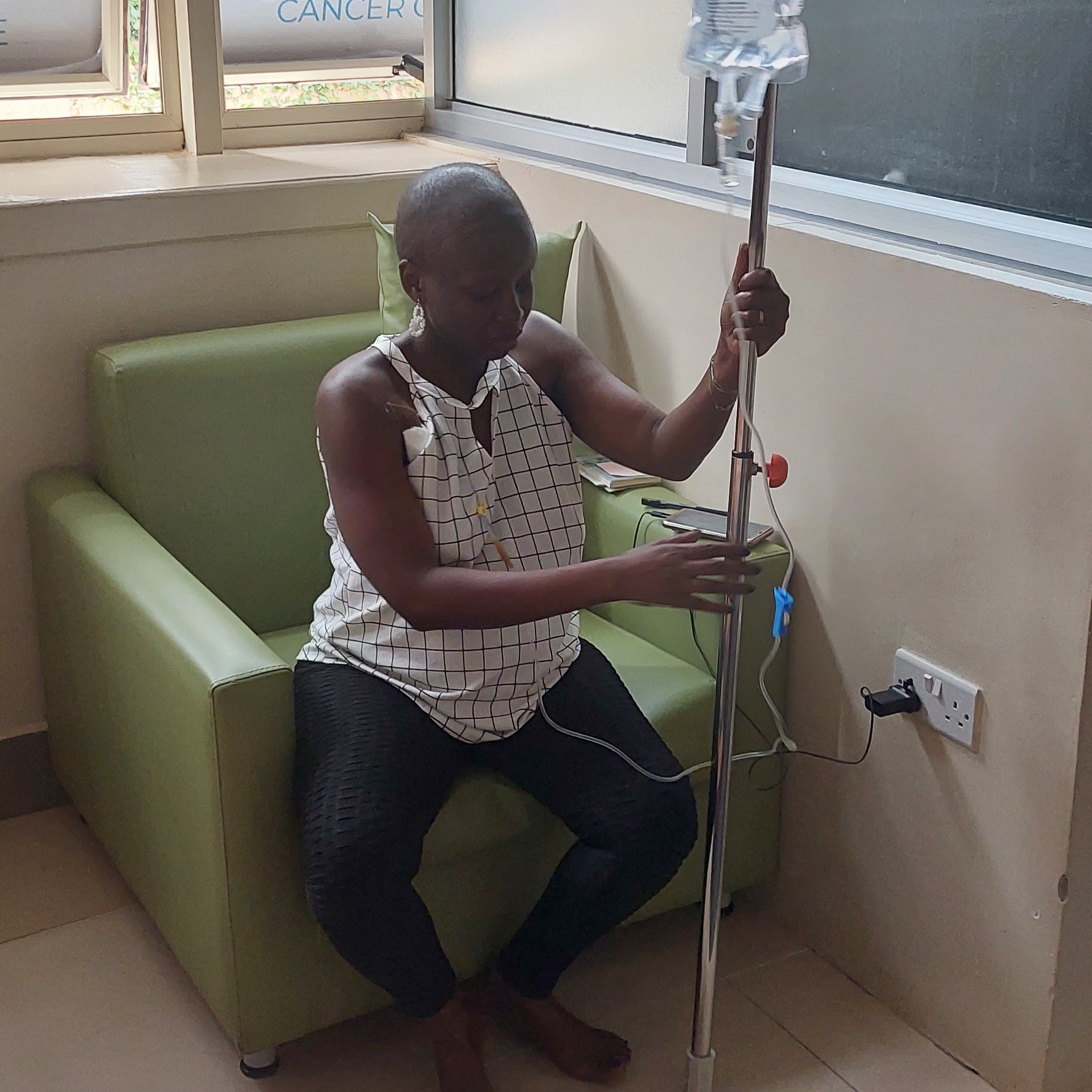
Can You Get Breast Cancer Treatment While Pregnant?
Getting diagnosed with breast cancer while you’re pregnant can be shocking or scary. However, most people can receive effective treatment during a pregnancy and safely continue the pregnancy to full term. In rare cases, some might need to consider ending a pregnancy or being induced early to adequately treat the cancer. But overall, there are more options and more studies on how best to treat breast cancer during a pregnancy today than there were in the past.
To get the best care, it’s a good idea to seek out a healthcare team that has experience treating breast cancer during pregnancy. The team should include an oncologist, a breast surgeon, an obstetrician who specializes in high-risk cases (also called a maternal-fetal medicine specialist), and other experts. The team should work together to plan the best timing of your treatments. Also, they should be knowledgeable about the guidelines for treating breast cancer during pregnancy developed by professional medical organizations such as the American Society of Clinical Oncology (ASCO) and the National Comprehensive Cancer Network (NCCN).
“Generally, breast cancer treatment during pregnancy should mirror as closely as possible the treatment of non-pregnant patients, with some notable exceptions,” says Erin Roesch, MD, associate staff breast medical oncologist at Cleveland Clinic in Cleveland, Ohio.
The specific treatments your doctors recommend, and the timing of when those treatments are given, will depend on your diagnosis and the stage of the pregnancy. Your doctors may suggest that you wait to receive certain treatments such as radiation therapy and hormonal therapy until after you give birth because those treatments could harm the fetus.
Breast cancer treatments given during pregnancy
Surgery and chemotherapy are the two treatments that may be given during pregnancy. There’s research showing the benefits of receiving these treatments during pregnancy may outweigh the risks.
Surgery during pregnancy
The main treatment for early-stage breast cancer diagnosed during pregnancy is often surgery (a mastectomy or lumpectomy).
Usually the surgery will also include having some lymph nodes in the armpit area removed so they can be checked for cancer.
Breast cancer surgery can be performed at almost any point during a pregnancy. However, the safest time for both the mother and the fetus is during the second trimester. To decide on the best timing for the surgery, it’s a good idea to have your high-risk obstetrician consult with your breast surgeon and anesthesiologist.
If you’re having surgery during the first trimester, your doctors are more likely to recommend a mastectomy than a lumpectomy. That’s because most people who get a lumpectomy need radiation therapy to start soon afterwards, but radiation therapy isn’t recommended during pregnancy.
Immediate breast reconstruction after a mastectomy is sometimes done during pregnancy, but in many cases doctors recommend delaying breast reconstruction until after the baby is born. This is to minimize the time you’re under general anesthesia and also because there’s a slightly higher risk of having complications from breast reconstruction during pregnancy.
Chemotherapy during pregnancy
If your doctors recommend that you receive chemotherapy as part of your treatment, it will be given either during the second trimester, during the first two months of the third trimester, or after you give birth.
Chemotherapy is not considered safe during the first trimester of pregnancy, because the risk that it could cause birth defects or miscarriage is higher then. It’s considered relatively safe during the second and third trimesters. But it’s not given during the last three to four weeks before delivery. This lowers the risk of complications, including infection, during the delivery.
During pregnancy, chemotherapy may be given either before or after surgery. The decision of when to give chemotherapy depends on multiple factors, including the specific type of breast cancer you were diagnosed with and when it was diagnosed.
Some of the most common chemotherapy medicines given during pregnancy include Adriamycin (chemical name: doxorubicin) and Cytoxan (chemical name: cyclophosphamide). In some cases, Taxol (chemical name: paclitaxel) may be given during pregnancy.
Treatments that aren’t used during pregnancy
Radiation therapy, hormonal therapy, targeted therapy, and immunotherapy are not given during any stage of pregnancy because of the risk they could harm the embryo or fetus. If your doctors recommend any of these as part of your breast cancer treatment plan, you’ll receive them after you give birth.
In some cases, radiation therapy may be used in people with metastatic breast cancer during pregnancy to treat an area of the body the cancer has spread to.
Making decisions about a pregnancy
Most people diagnosed with breast cancer during a pregnancy can carry the baby to full term. Sometimes doctors recommend inducing the birth a few weeks early so that certain treatments can be started sooner.
In some cases, if a person has a fast-growing, aggressive, or advanced breast cancer, their doctors may suggest that they consider ending the pregnancy. This would be if certain treatments are needed right away to slow the cancer that wouldn’t be safe for the fetus.
Research suggests that ending the pregnancy doesn’t typically improve the mother’s overall cancer outcome or survival. But there are a lot of other personal and medical considerations that can factor into the decision.
If you’re navigating difficult decisions about pregnancy and breast cancer treatment, it can be helpful to get second opinions and whatever support you need to think through your options.
Finding support
It’s important to get emotional support when you’re dealing with breast cancer during a pregnancy. You may want to meet with a therapist or join a support group. The nonprofit support network Hope for Two connects women diagnosed with cancer during pregnancy with other women who have been pregnant with the same type of cancer.
Also, it may be worth connecting with the palliative care team at your cancer center or hospital. That team may include social workers, psychologists, and chaplains who are specially trained to support people who are making hard decisions or processing grief about a pregnancy.