5 New Findings About GLP-1s and Breast Cancer

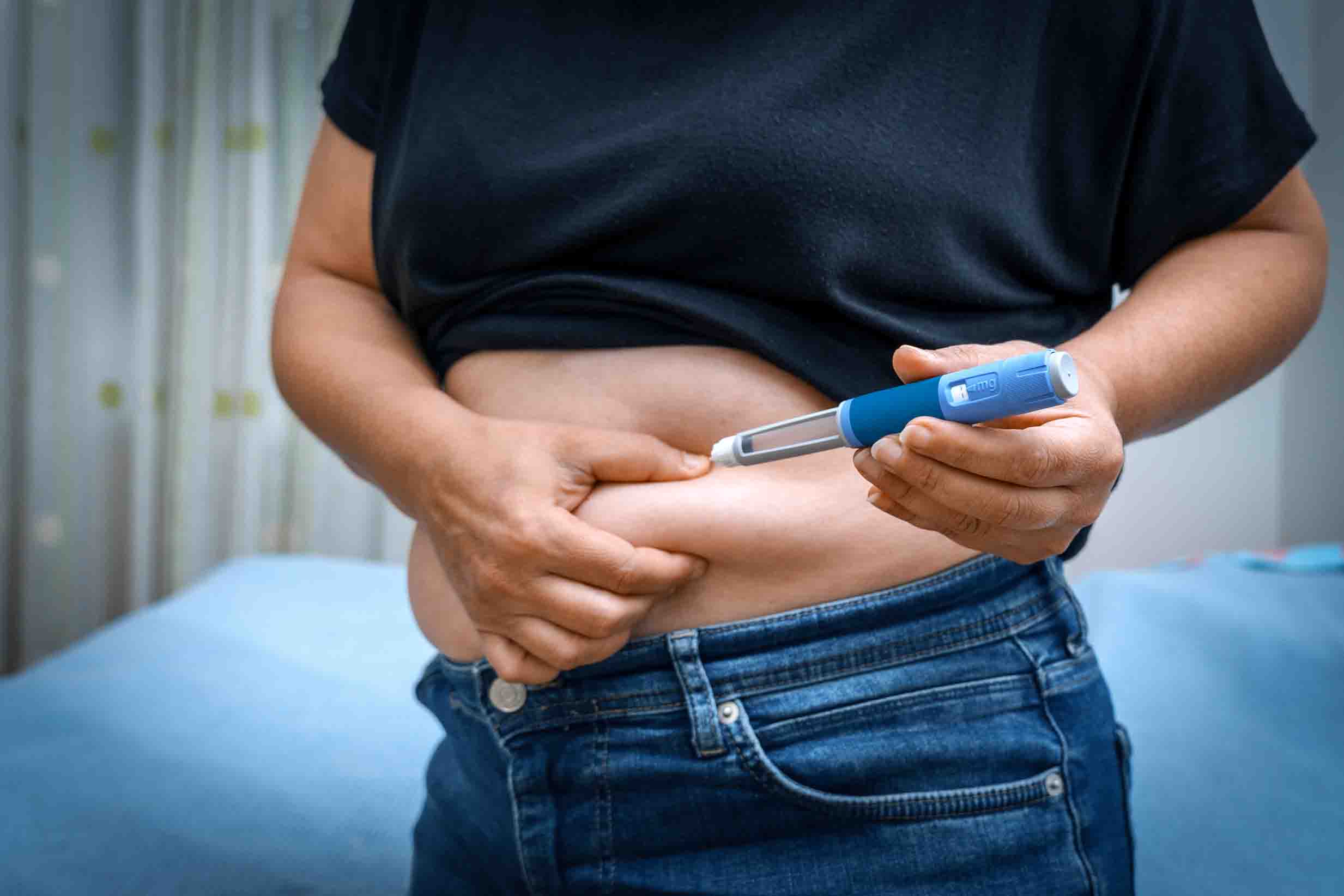
GLP-1 medicines have been called miracle drugs. Originally developed to regulate blood sugar levels in people with Type 2 diabetes, they’re now used to combat a number of conditions, including obesity, substance use disorders, and heart disease. There’s also tantalizing evidence that GLP-1s may help reduce the risk of developing cancer and slow the growth of cancer in people who’ve been diagnosed.
GLP-1 stands for glucagon-like peptide-1, a hormone made by the small intestine. GLP-1 medicines act like the GLP-1 hormone in the body. This hormone does a number of things, including triggering your pancreas to release insulin, which lowers the amount of glucose (sugar) in your blood. It also blocks glucagon, a hormone that raises blood sugar levels when needed. The GLP-1 hormone also slows stomach emptying, so you feel full longer, and makes you feel full after eating less.
More and more studies are looking at GLP-1 medicines and cancer, in general, as well as breast cancer, specifically. Nearly all the studies so far have found that GLP-1 medicines offered some benefits in relation to cancer, which is promising. But more research is needed to understand exactly how GLP-1s affect cancer risk and outcomes, especially in people without obesity or diabetes.
1. GLP-1s may reduce the risk of developing breast cancer
Several studies have looked at possible links between taking a GLP-1 and breast cancer risk. A study of more than 110,000 women ages 45 to 80 with obesity found that those taking a GLP-1 had about a 30% lower risk of developing breast cancer than women not taking one of the medicines. The researchers didn’t report which GLP-1 medicines the women were taking, so it’s not clear if a specific GLP-1 was linked to lowering risk more than another.
Another large study of nearly 230,000 people found those taking a GLP-1 for weight loss had a 41% lower risk of obesity-related cancers — including breast cancer — than people following diet and exercise advice to lose weight. The two most commonly prescribed GLP-1 medicines in the study were semaglutide (Ozempic, Wegovy) and tirzepatide (Mounjaro, Zepbound). People on tirzepatide had a bigger reduction in risk than people on semaglutide. It’s not clear why people on tirzepatide seemed to have a larger reduction in risk, but researchers think that the medicine may better control inflammation.
In a separate study of about 148,700 women with obesity but not diabetes, women taking a GLP-1 had a slightly lower risk of hormone receptor-positive, HER2-negative breast cancer than women not taking a GLP-1.
2. GLP-1 medicines may stop breast cancer from metastasizing
Research suggests that the hormone changes and chronic inflammation that can accompany obesity increase the risk of breast cancer growing and spreading to parts of the body away from the breast (metastatic breast cancer). A study of more than 10,200 people diagnosed with stage I, II, or III lung, breast, colorectal, or liver cancer found that people who started taking a GLP-1 medicine after they were diagnosed with cancer had a lower risk of the cancer metastasizing than those not on a GLP-1. The GLP-1 medicines used in the study were Ozempic, Victoza, Trulicity, and Mounjaro.
3. GLP-1s may reduce treatment side effects
Side effects from treatment can dramatically affect quality of life and are the main reason why someone stops treatment or switches to a lower dose. Evidence suggests that excess weight can make side effects worse. Can GLP-1s help?
Among people receiving a CDK4/6 inhibitor for hormone receptor-positive breast cancer, a study found that people who weren’t taking a GLP-1 medicine had more side effects and those side effects started earlier than people who were taking a GLP-1. The differences were very small, however, and it’s hard to say whether they were meaningful.
In a separate study, researchers compared the health records of more than 5,600 people with breast cancer who were getting chemotherapy and using GLP-1s with people with breast cancer who were getting chemo and not taking GLP-1s. They found that people taking GLP-1s were less likely to have anemia, blood clots, low white blood cell counts, sepsis, nausea and vomiting, fatigue, heart problems, and neuropathy.
A third study looked at GLP-1s and lymphedema. Among nearly 62,000 people with breast cancer who had a mastectomy, those taking a GLP-1 had a 63% lower risk of lymphedema than people not taking a GLP-1.

Can GLP-1s Treat Lymphedema?
With guests Michael Stubblefield, MD and Joseph Dayan, MD
May 26, 2026Side Effects
4. GLP-1s may improve outcomes for people with invasive breast cancer
Research shows that obesity can up the risk of breast cancer coming back (recurrence) and the risk of dying from breast cancer. Obesity can also affect how cancer responds to treatment.
In one study, researchers compared the medical records of about 1,600 women with breast cancer who were also taking a GLP-1 and the same number of women with breast cancer who weren’t taking a GLP-1. The results showed that women taking a GLP-1 were 60% less likely to die from breast cancer or anything else over the 10-year follow-up period than women not taking a GLP-1.
The same study also compared women with both breast cancer and diabetes who were taking a GLP-1 to women with both diseases who were taking metformin or insulin. Women taking a GLP-1 had about a 90% lower risk of dying over the 10 year follow-up period. Women taking a GLP-1 also had a lower risk of the cancer coming back (recurrence).
But a number of experts were critical of the study, saying that the medical records lacked information on the cancers’ hormone-receptor status, as well as all the treatments the women received. All this missing data could affect the results of the study.
Researchers also looked at how GLP-1s affect death in people with breast cancer and obesity who are on hormonal therapy. They compared the health records of nearly 8,800 people with breast cancer and obesity taking both hormonal therapy and GLP-1s to the same number of people with breast cancer and obesity who were not taking a GLP-1. People taking a GLP-1 had a 46% lower risk of death from any cause during the follow-up period of about 5.5 years.
A different study looking at people with diabetes and breast cancer brain metastases found those on a GLP-1 had a 32% lower risk of death over three years than people not taking a GLP-1. Semaglutide, dulaglutide, and tirzepatide were all linked to better survival, while liraglutide wasn’t.
5. GLP-1s may improve outcomes in people with DCIS
People with ductal carcinoma in situ (DCIS) are at higher risk of recurrence if they also have obesity and/or diabetes.
Researchers looked at the medical records of more than 3,000 people with hormone receptor-positive DCIS on hormonal therapy and GLP-1s, as well as an equal number of people with hormone receptor-positive DCIS who were not taking a GLP-1. They found rates of invasive recurrence and metastatic disease were high in both groups, but people using GLP-1s had a 74% lower risk of invasive or metastatic cancer progression. Also, 93.5% of the people who took GLP-1s survived during the five-year follow-up, versus 85.7% of those who didn’t take GLP-1s.
But it’s important to know that the number of cancers that became metastatic in this study was much higher than expected, which raises questions about the accuracy of the DCIS diagnoses, so these results should be interpreted with caution.
Limits of research on GLP-1s and breast cancer
It’s important to know that all the people in the studies on GLP-1s and cancer so far were taking a GLP-1 because they had diabetes, obesity, or both. So far, no studies have looked at how GLP-1 medicines affect cancer risk or cancer outcomes in people without diabetes or obesity. Based on the encouraging results, studies are now starting to look at how GLP-1 medicines may benefit people with cancer who don’t have diabetes or obesity.
Also, all the studies done so far are retrospective studies. This means the disease outcomes are already known. The researchers looked back at people’s health histories to find links between cancer and any risk factors or behaviors — in this case, whether or not people were taking a GLP-1.
The studies so far do reinforce the idea that cancer doesn’t happen in a vacuum. Besides genetics and environmental exposures, a person’s metabolism, body composition, nutrition, physical activity, and the amount of inflammation in the body all affect how cancer may develop and grow. So treatments that improve these factors may become important parts of cancer care.