Beyond The Pink
Eleonora Teplinsky’s oncology practice has focused on people with breast cancer for more than a decade. Her new book, Beyond the Pink: Navigating Life, Health, and Breast Cancer, explains breast cancer risks, screening, diagnosis, and treatment, as well as topics that may not be discussed by all doctors.
Listen to the episode to hear Dr. Teplinsky explain:
- Sponsor Message
what makes her book different from other breast cancer books
- Sponsor Message
ways to integrate menopause care and HRT into breast cancer care
- Sponsor Message
how to talk to your doctor about sex and sexual health
Welcome to The Breastcancer.org Podcast. The Podcast that brings you the latest information on breast cancer research, treatments, side effects, and survivorship issues through expert interviews, as well as personal stories from people affected by breast cancer. Here’s your host, Breastcancer.org Senior Editor, Jamie DePolo.
Jamie DePolo: Hi, thanks for tuning in. My guest today is Dr. Eleonora Teplinsky, head of Breast and gynecological medical oncology at Valley-Mount Sinai Comprehensive Cancer Center in Paramus, New Jersey. She’s very active on the socials, so you probably have seen her, and she hosts the Interlude Podcast about people affected by breast cancer. And, I'm proud to say, she’s also a member of the Breastcancer.org Professional Advisory Board.
Dr. Teplinsky has a new book coming out in September. It’s called Beyond the Pink: Navigating Life, Health, and Breast Cancer. While the book does have a focus on younger people and breast cancer, the information can help anyone experiencing the disease. So besides explaining risks, screening, diagnosis, and treatment she also explores topics that a lot of people have told me aren’t discussed by their doctors, which includes menopause, sexual health, mental health, and long-term heart, brain, and bone health. Dr. Teplinsky, welcome to the podcast.
Dr. Eleonora Teplinsky: Thank you for having me. I'm excited to be here.
Jamie DePolo: It’s so nice to talk to you again. And I can't believe that when we talked in San Antonio last December you were actually writing this book. So, that’s a lot of multitasking all at once.
Dr. Eleonora Teplinsky: I actually wrote the end of the book while on my way home from San Antonio. So, it is…it’s kind of crazy that we’re here. Now I can say next month it comes out, which is wild.
Jamie DePolo: That’s very exciting. So there are a lot of books about breast cancer. There are manuals. There are practical guides. There are how-to books. There are survivor manuals. So, why did you want to write your book and what sets it apart?
Dr. Eleonora Teplinsky: Great question. There are a lot of breast cancer books and when I was trying to, you know, get a book deal and sell the book, you know, that was something that came up a lot. Like what makes your book different? And I think a couple of things. One is, I treat this disease every single day. I…this is a world I have worked in and practiced in for over a decade and by…and to take that. And then I add to the engagement that I was getting on-line where people were asking me every single day questions that we just don’t always have the time to cover in clinic, and that is usually where patients find themselves without comprehensive guidance in terms of things like menopause and bone health and sexual health. Because our visits are short and you know they're limited and we’re talking about so many other things.
So my goal was really to create a guide that has all this information in one place that is evidence-based. Because we’re seeing so much misinformation online and patients sometimes say, I don’t know what’s real and what’s not real. And so that’s an evidence-based guide that they can bring to their doctors that’s backed up by research and studies, and say, you know, I want to advocate. This is how I can be…I can advocate for myself, and I'd like to get a bone density, and I would like to talk about vaginal estrogen, and I would like to talk about medication for my hot flashes, or whatever that looks like.
But I wanted to really have it in a place where people felt seen, they felt heard, they felt supported. And it’s not possible to cover everything. That would have been, you know, a thousand pages. But I try to really focus on the questions that I get a lot and I'm hopeful it’s going to help people.
Jamie DePolo: Excellent. Now speaking of covering a lot, your book covers so much we don’t have time to talk about everything in this podcast, but I thought we could focus on a couple of the topics, as I mentioned, that aren’t routinely discussed by all doctors. So, I thought we could start with this year’s hot topic, which seems to be menopause. Everybody’s talking about menopause.
So in the book, you said that menopause education isn’t routinely part of oncology training. And so my first question is, why is that? Because breast cancer is one of the top cancers among women, so it would…and women go through menopause and breast cancer treatment can cause menopause. So it seems like that would be part of it, but that’s just me. And I'm just wondering, it just seems like oncologists should learn about it.
Dr. Eleonora Teplinsky: Yeah. I 100% agree with you, and it backs up with, you know, menopause education was not taught to anybody. I mean, we are in this menopause revolution, right? People are speaking up and there was a huge focus, but even in the gynecology world, you know, big menopause leaders in that space have said that wasn’t part of their training. And so, I think that this is changing. We’re actually starting a fellowship…an oncology fellowship in my cancer center and I have made it a point that we’re going to have menopause and sexual health education, you know, for our fellows. So I think we can take it forward, right? And pay it forward and start educating the next generation.
But it’s not part of our training and I think that really needs to change. And then you add to it is, you know, every doctor has to do continuing medical education. But the menopause education really has lived for a long time in kind of the gynecology or the menopause conferences. It’s not at our oncology conferences where our oncologists are getting continuing education credit. So you look at San Antonio and I think it’s changing. It really is because at recent conferences we…San Antonio last year there was a great conversation and focus on menopause. And so, we’ve got to bring it to where the oncologists are.
But I also think and a big focus of mine is patient education. And so, I think if we educate patients, they’re now coming to their medical teams and saying, I need to talk about this. I want to talk about menopause. I want to talk about hormones. I want to talk about vaginal hormones. And what we’re seeing is now our oncologists are saying, I need to…I…you know, I…how do we talk about this? How do we have that education? So I really think that it’s changing, but it starts by also, you know, patients really advocating for themselves. And I wish we didn’t have to. I wish it was just part of the conversation, and I hope that in 10 years it will be.
Jamie DePolo: One can hope. One can definitely hope.
So following up on that, when early menopause is caused by breast cancer treatment, what are the most common issues you see in your clinic and how do you treat them? Just so if anybody is watching this and they say, oh, hey, that happened to me and I had no idea that it was part of my treatment.
Dr. Eleonora Teplinsky: Yeah. I think it starts with really counseling. And so we talk a lot about, you know, when someone is starting chemotherapy there’s a whole counseling and education session. And I think we continue to do that for our patients who are going into earlier premature menopause. Really having a conversation about what are the potential side effects that you can expect and how are we going to treat them? Whether that be medication for hot flashes. Whether that be seeing a cardiologist to do cardiac prevention. Whether that be making sure we are doing a bone density and bone health. And you know, in the book that’s what I try to do, is give people action steps for some of these most common things that can happen.
And then also having conversations about hormones because they are going to be right for some people, they are not going to be right for other people. But really that preventive counseling about what to expect and not saying, oh, we’ll see how it goes, call me if you have a side effect. Right? It’s really preventive of, okay, here’s what we’re going to be doing. I think that’s so important and starts with that. It starts with recognizing the impact that menopause has on a person’s both short- and long-term health.
And I will add too, as we think about this, right? It even backs up to understanding what treatment we’re doing. So for many of your younger pre-menopausal patients with hormone receptor-positive breast cancer, ovarian suppression is a conversation. It’s part of the treatment plan for some of our patients. And so, really making sure that starts there with balancing side effects, benefits, risks, right? And having an educated conversation. And these are not things that happen in 15 minutes, you know, these are hour-long discussions and so making sure we’re starting with that, about why are we doing the treatment that we’re doing, what can we expect, and how are we going to address that.
And I’ll add, you know, that so many…and this has been written about recently, but many breast cancer survivors have found themselves…and thrivers, too, people living with metastatic disease have found themselves left out of the menopause conversation. They have found, you know, because the focus is on hormones. And one to say is that some patients may be good candidates for hormone therapy depending on the type of cancer and all of that. But if you're not, you're not doomed. There’s so much that we can do. Lifestyle is really foundational. There’s so much that we can do to help people thrive and live well after a cancer diagnosis. And so, that’s a big message that I want to get across. And in the book, you’ll notice I don’t really talk too much about hormones because there are fantastic books about that. My goal is really to support the patients who feel like that for where hormones were not, not maybe going to be part of a bigger plan.
Jamie DePolo: Yeah. And that’s the perfect segue to my next question, which was about HRT, now sometimes called menopausal hormone therapy. These decisions need to be very individualized. And also, I want to ask you because some of the things that are being posted online by people who are considered influencers who are not doctors, but HRT or menopausal replacement therapy or menopause hormonal therapy makes it sound like it’s going to cure everything that’s wrong with you. Your life…if you just get this, your life is going to be perfect. Your…you won't have any joint pain. You won't have any hot flashes. Everything will be great. You’ll look younger. Your skin will be great. Your hair will be great. So can you just talk a little bit about that because I feel like there’s so much hype? And yes, people do feel like they're left out, but it’s really not the magic elixir that it’s made out to be.
Dr. Eleonora Teplinsky: Yeah.
Jamie DePolo: Is my understanding, anyway.
Dr. Eleonora Teplinsky: Exactly. And you're right. I think that there’s a lot…I think part of that is, right? What happens on social media and understanding how…what the algorithms on social media do. If you spend a little bit of time watching menopausal hormone videos about someone who’s feeling great, the algorithm is just going to give you more of that, right? And so it’s this echo chamber of, oh my gosh, everyone’s on hormones and they feel amazing. And I can't be on hormones and I am suffering. And that’s not to say that’s not true, but understanding how the algorithms are really feeding you that content.
And so, yes, for some people, menopausal hormone therapy is really beneficial. But there are other people who don’t feel better on it, and it doesn’t take away all of these lifestyle foundational things. It’s, you know, the people that are really experts in their field when they talk about menopausal hormone therapy, you notice they talk about it in conjunction with movement and diet and sleep and you know exercise and alcohol. And all of these things that are also really, really important. So, it’s never just one part of it.
And so, I think that maybe we have to be mindful of, okay, you know, how are we thinking about the whole picture? And you know, menopausal hormone therapy is one part of it, but I have so many patients who are not on hormones who are…feel great. They are doing so well. And I recognize it takes…it is hard work to focus on all of the other things and I think part of the challenge and where there is a lot of frustration is, you know, we’re telling patients, okay, we want to get good sleep and we want to exercise and lift heavy weights and all these things. And if you don’t feel great on your treatment, if you are not sleeping because you're waking up 10 times a night for night sweats. Yeah, it’s really hard to be like you should go lift and exercise and go, you know, all these things, right, when you don’t feel good.
So I like to think about, well, what can we do to try to make some of those things better? And there’s a lot we can do. We can use vaginal estrogen. We feel very comfortable in using vaginal estrogen for patients who’ve been diagnosed with breast cancer. There are hot flash medications that are approved that are non-hormonal that can help with sleep, they can help night sweats. You know, we can think about…even those two things can help a lot. We can think about ways to assess our heart and our bone health. We can think about brain health. So there’s a lot that we can do to help our patients be able to get to those lifestyle factors.
Jamie DePolo: Okay. Thank you. Another topic that I know is very difficult for some folks to bring up is sex or the lack of sex…
Dr. Eleonora Teplinsky: Yeah.
Jamie DePolo: …the lack of desire for sex. So I guess I'm wondering, you have…you have a lot of information in your book, but if somebody’s not comfortable bringing it up how can they get more comfortable? How…how to overcome that? And I realize that’s probably different for every person, but I feel like if someone’s oncologist or GP doesn’t know that it’s a problem they can't help them.
Dr. Eleonora Teplinsky: Yeah. Yeah. And there’s actually been a lot written about this in terms of, you know, there’s a lot of barriers talking about sexual health. And I…what I try to do is open the door and say, you know, a lot of people struggle with sexual health. Is there something…is there anything you want to talk about with that? And a lot of times people will say, no. But the next time they come in they’ll be like, you mentioned that, you know, can we talk about that? But if for someone who’s… maybe their team hasn’t brought it up, what are things that you can do? You can send a message in the patient portal. I'm coming in tomorrow for my appointment, I'd like to talk about sexual health. Or can we set up a separate time to talk about sexual health?
If you…some people come with their partner, maybe you're not comfortable having that conversation with their partner. So maybe you come alone that time. Maybe if there’s somebody in your care team that you're more comfortable talking to, like maybe your nurse or an advanced practice provider or your social worker, bring it up with them and say, hey, can you…I'm not comfortable, can you mention it to my doctor? Right? And so, there are ways to, you know, find the person that you're comfortable talking to, to just kind of open that conversation because I think it starts with having that conversation and normalizing that sexual health is going to be affected for so many people.
For some people it’s change in libido, it’s change in body image, it’s different relationships with your partners, it’s vaginal dryness and the genitourinary syndrome of menopause. So there’s different solutions based on what, you know, some of the issues are. And we have medications to treat things. Therapy can be very helpful. In the book I talk to Kim Holden who is a breast cancer survivor herself, but an intimacy coach and she has such amazing tips about how to start to feel comfortable with yourself, with your partner, you know, and a lot of that ties into body image and how we feel after, you know? And there’s so many ways that we can try to kind of improve it on, you know, a step-by-step basis.
Jamie DePolo: And I apologize, you may have covered this in the book, but I do not remember because there was so much info in it. I know sometimes on…the people who don’t have a partner, they're unpartnered, and just trying to even think about sex and finding a partner after breast cancer or during treatment can be really overwhelming. Did you…did you talk about that at all?
Dr. Eleonora Teplinsky: I didn’t talk about that too much and I wish I had. You know, there was just no, I mean, no room for a lot…I wish I did talk more about that. But I will say that I think dating after a diagnosis is really challenging. And you know, how much do you talk about it? When do you talk about it? When do you open up? And it starts, I think, with feeling really, you know, it starts with feeling comfortable in your body, which takes a lot of time. Some people never quite feel comfortable or their body is different. And so it starts with…one of the things that I like to think about…we talk about this a little bit when we talk about body image, is what are you grateful for in your body? What feels really good to you in your body right now? So maybe something doesn’t feel good, but you're grateful for your legs feel strong or your hands feel strong, right? Things like that.
Starting to find what feels good for you, whether that be going for a walk, whether that…you know, that kind of thing. And as we feel stronger in our body, I think that helps open up to other people, whether that be in your current relationship, in a new relationship. But dating is hard, you know, I think there are people…everyone has a different perspective on how they feel. How they feel about their bodies. And so, I think it takes time. There’s no one right answer about how to…how to do this. I think I've spoken to so many women who have navigated this after and everyone has a different approach in what works for them.
Jamie DePolo: Very good advice. And finally, we sort of hinted at this, but I want to go into it. There is so much information, both good and bad, online, social media, everywhere. So do you have some tips for how people can evaluate the accuracy and the trustworthiness of what they're seeing and hearing?
Dr. Eleonora Teplinsky: Yeah. This is hard. Misinformation online has…it’s exploding. And I think AI, you know, kind of adds to some of that, because you don’t even know if a human created some of these things. And as somebody who’s been impersonated online by people using my identity, you know, that’s a whole other level of, like, how do you know what’s real or not? But I think generally speaking, things I like to think about is, you know, what is that…what are the credentials of the person that’s sharing that information?
There is a big difference between somebody sharing their experience, which I think is so valid, right? We learn from each other. We hear each other’s stories, but…and versus giving kind of broader advice. And no one should be giving medical advice online. So, that’s number one, right? Thinking, is this medical advice? Is this more informational?
But what are their credentials? And if you can't easily find those credentials…if someone is saying they're an expert, but you can't figure out how they're an expert in that, right? That’s a big red flag for me about, you know, who is this person? And again, if you Google somebody you should be able to know what their background is, where they work, all of these things. And if you can't find that, red flag.
The other thing is, you know, are they trying to sell you something? And I…we’ve seen this a lot recently with people promoting maybe alternative imaging or additional imaging. If they…do they have a vested financial interest in what they're promoting for you, right? Because the problem is that the disclosures online, it’s like the wild, wild West, you know? There’s a lot that’s not disclosed. So those are kind of my things. And if it sounds too good to be true and you’ve never heard it before from your medical team, it probably is.
I will say, it is really hard. I've gone down some of these rabbit holes trying to figure out if something is real or not and at the end of it, you're like, I still don’t know. Is this a real study or not? And so, it’s…if you have a good medical team that you feel comfortable with, I say ask them, you know, if I find something online would I be able to run it by you, you know, can you help me with that? And also, I think it can be helpful if you have a family member or friend who says, how can I help you? You can say, hey, can you help me vet some of this information that I am finding online? You know, especially if you're newly diagnosed or you're going through treatment, you know, it’s hard. And so, you're, you know, just be mindful of maybe someone can help you vet some of that information.
And then lastly, of, you know, I do try to think about maybe getting away from scrolling late at night and you know sometimes late at night, right, there’s a lot of emotion. There’s a lot happening and sometimes we, you know, I try to think about getting information at a time of day where you feel a little bit more equipped to kind of process and handle that. So, and then not to mention that late night scrolling is not good for our sleep.
But yeah, there is a lot of misinformation online. If it sounds too good to be true it probably is. If it goes against everything you’ve ever read, that’s a red flag for me. But always…and I urge everyone to do this, do not make medical decisions about what you find online. Have a trusted team. If it requires getting a second opinion, if you have the ability to do that, I recommend it.
Online information should be educational, but it shouldn’t be we’re making decisions based on what we read online because that’s never the whole story. You, you know, and that was again kind of one of my reasons to write the book. You know, people’s attention spans online for these reels are what 30 seconds, right, and that’s it. There’s so much nuance in cancer care that we can’t get across in a 30-second, two-minute video, and sound bites, right? There’s all these sound bites that show up online. So just being mindful of, you know, having a team that you trust that you can really have those conversations with.
Jamie DePolo: Yes. Excuse me, yes. I totally agree with you because as somebody who writes a lot about breast cancer, I'm always being told, well, it needs to be shorter, it needs to be shorter. I'm like, but then we’re going to kind of lose some of the nuances that are important. And the only thing I would ask, what I always look for when I see people online, say talking about a study, if I can't find the study…
Dr. Eleonora Teplinsky: Yes.
Jamie DePolo: …then to me that’s a red flag, too. And I'm like, is this even real? Like how, where, where did this come from? I'm like Googling the topic and everything…
Dr. Eleonora Teplinsky: Mm-hmm.
Jamie DePolo: …and I cannot find it. So, I would…
Dr. Eleonora Teplinsky: And where and when was that study published? Because…
Jamie DePolo: Yes.
Dr. Eleonora Teplinsky: …you know, sometimes people will repurpose a study from 10 years ago. And you're like, well, wait a second, 5,000 things have happened since then, right? So…and does this study apply to you? You know, because it might be in a completely different cancer type that is not relevant. So understanding that a lot of things online or sound bites maybe sometimes…I don’t say taken out of context, but a sound bite just kind of on its own loses the nuance.
Jamie DePolo: Yes. Yes. Absolutely. Dr. Teplinsky, thank you so much for joining us.
Dr. Eleonora Teplinsky: Thank you for having me.
Jamie DePolo: I can't wait for your book to come out. I hope it’s very successful and helps a lot of people. And it’s always lovely to talk to you.
Dr. Eleonora Teplinsky: Thank you so much.
Thank you for listening to The Breastcancer.org Podcast. Please subscribe on Apple Podcasts, Amazon Music, Spotify, or wherever you listen to podcasts. To share your thoughts about this or any episode, email us at podcast@breastcancer.org, or leave feedback on the podcast episode landing page on our website. And remember, you could find out a lot more information about breast cancer at Breastcancer.org, and you can connect with thousands of people affected by breast cancer by joining our online community.
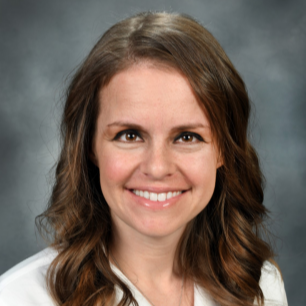
Eleonora Teplinsky, MD, is a board-certified medical oncologist specializing in breast and gynecologic oncology. She is head of breast and gynecologic medical oncology at Valley-Mount Sinai Comprehensive Cancer Care in Paramus, NJ, and a clinical assistant professor of medicine at the Icahn School of Medicine at Mount Sinai in New York.
Your donation goes directly to what you read, hear, and see on Breastcancer.org.