Exercise and Breast Cancer
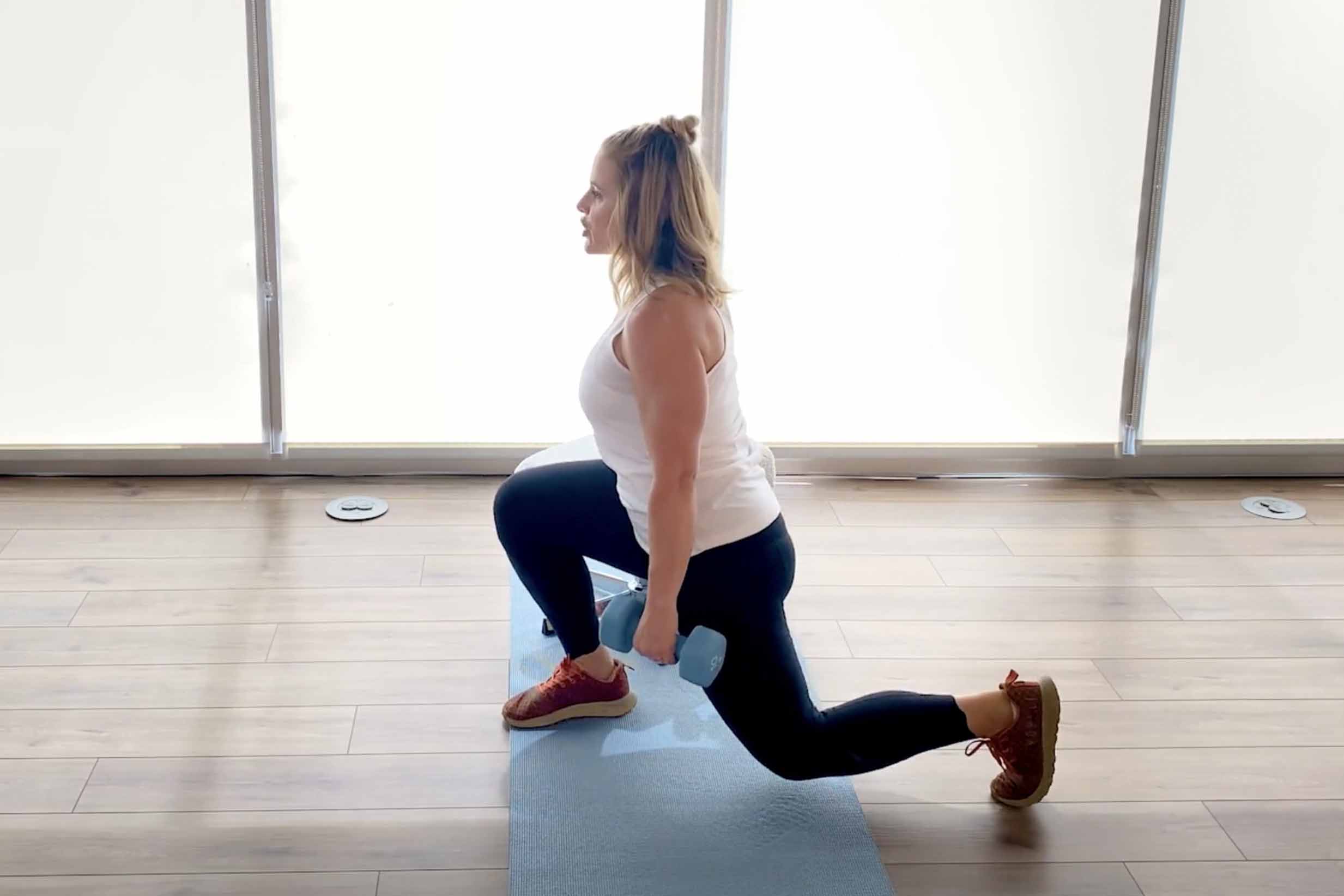
You've probably heard that exercise is good for you. What's less well known is that exercise can lower your risk of developing breast cancer. If you’ve been diagnosed, exercise can reduce the risk of the cancer coming back (recurrence) and may even improve survival. Exercise can also help ease troubling treatment side effects, like fatigue, pain, depression, and lymphedema.
If you’re wondering how to start, what to do, or how much to do, you’re not alone. Below are definitions, recommendations, and tips to help answer these questions.
Physical activity, exercise, movement, fitness — what’s the difference?
While they’re used interchangeably, physical activity, exercise, movement, and fitness aren’t all the same thing. But it’s important to know that every bit of movement counts. One of the best habits you can cultivate is simply sitting less. Breaking up long stretches of sitting, even with just a few minutes of standing or walking, boosts your health whether or not you ever do a workout.
Here’s how those terms are defined.
Physical activity (what’s often casually called movement) is any motion your muscles produce that burns energy — walking the dog, carrying groceries, taking the stairs, gardening, doing chores. It all counts, and it all adds up over a day.
Exercise is physical activity with a plan behind it. It’s done on purpose with a specific goal. A brisk five-minute walk to get your heart rate up, a weight-lifting routine aimed at getting stronger or preventing falls, a program with a goal of losing weight or regaining function — these activities are exercises because there's an intention driving it.
Fitness isn't something you do — it's the result. It's your body's overall capacity to function. This includes how well your heart and lungs work, how strong your muscles are, and how flexible your joints are. Exercise, done consistently, is how you build fitness.
Doing a defined type, amount, and frequency of exercise for a specific effect is now called “exercise as medicine” by some doctors. The idea is to think of exercise in the same way you’d think of a prescription for medicine to treat a disease.
Benefits of exercise
Research keeps finding more benefits from exercising. In fact, there are so many benefits that many doctors think it should be a key part of any breast cancer prevention and treatment plan. Research also shows that the benefits of exercise don't decrease as you get older, meaning you should make exercise part of your daily routine no matter your age.
Exercise can help lower your risk of developing breast cancer
Researchers know that women who exercise have a lower risk of developing breast cancer than women who don’t exercise. Doctors don’t fully understand how exercise lowers risk. But many doctors believe being active helps regulate insulin and estrogen — hormones that can cause breast cancer to grow. Maintaining a healthy weight with regular exercise can also help regulate other hormones, reduce inflammation, and keep the immune system healthy.
Exercise can help lower your risk of breast cancer recurrence
A number of studies have shown that women who exercise regularly have a lower risk of recurrence. Doctors don’t fully understand this benefit, either. But many think that — as with breast cancer risk — it may have something to do with maintaining a healthy weight and keeping hormones like insulin and estrogen regulated.
Exercise likely lowers your risk of dying from breast cancer
Several studies also suggest that exercise may help people live longer after a cancer diagnosis. The results of the CHALLENGE trial showed that three years of exercise after colon cancer treatment improved disease-free survival (how long people lived without the cancer coming back) and overall survival (how long people lived whether or not the cancer came back). Many experts think the results could apply to people with breast cancer. A 2026 study modeled the CHALLENGE trial exercise program in women diagnosed with stage I, II, or III breast cancer. The findings showed that 10 MET hours of exercise per week (equal to about 2.5 hours a week of brisk walking) reduced the risk of dying from breast cancer.
Making Sure Exercise is Part of Cancer Care
With guest Kathryn Schmitz, PhD, MPH
Jun 2, 2025Diet and Exercise
Exercise can help you live longer overall
A 2025 study found more daily steps were associated with a lower risk of dying from any cause among post-menopausal women with a history of cancer. Women who took 5,000-6,000 steps per day reaped the greatest benefit, reducing their risk of dying by 40%. Looking specifically at heart issues, each additional 2,500 steps per day was linked to a 34% lower risk of dying from cardiovascular disease.
Exercise can reduce treatment side effects
Research shows that exercise can help you have fewer treatment side effects and lower the intensity of the side effects you do have. Exercise benefits people of all ages who have been diagnosed with cancer. Studies have found that exercise can:
ease fatigue and depression
lessen anxiety
reduce the risk of lymphedema
improve physical function
strengthen bones
ease bone and joint pain
In Exercises to Relieve Side Effects, a series of short videos, certified cancer trainer Sami Mansfield, founder of Cancer Wellness for Life, demonstrates exercises to ease side effects, like fatigue and bone and joint pain — along with some for people with bone metastases. In this video, she focuses on anxiety.
Exercise can help you be stronger
As most women age, they tend to lose muscle and gain fat. This shift is often driven by the hormonal changes that come with menopause. Chemotherapy and hormonal therapy medicines can speed up that shift by bringing on menopause early. The drop in estrogen that comes with menopause is linked to losing muscle faster. That matters because muscle isn't just about strength. It's also about independence and the ability to do daily tasks: carrying groceries, lifting something off a high shelf, getting up off the floor, doing things that don't feel like exercise until you can't do them easily anymore.
Strength training is how you counteract that. Working your muscles against resistance — your bodyweight, resistance bands, or light weights — tells your body to build and preserve lean muscle, even while breast cancer treatments, hormones, or age are working against it. You don't need heavy weights or a gym membership. Two sessions a week, starting light and gradually increasing the weight, is enough to make a real difference in how capable your body feels day to day.
Exercise can help you keep your bones healthy
As you age, you lose bone mass. If you’ve been diagnosed with breast cancer, maintaining healthy bones is especially important since some breast cancer treatments can lead to bone loss. Plus, women are about twice as likely as men to develop osteoporosis after age 50. Osteoporosis is a bone disease that thins and weakens the bones so they are more likely to break. Weight-bearing exercise, such as jogging or walking, and strength training can all strengthen bones and slow bone loss.
Exercise can help you move better
The phrase “use it or lose it” applies to your joints as well as your muscles. Scar tissue that forms after breast cancer surgery, reconstruction, or radiation can make your arm and shoulder muscles feel tight. If you don’t use your arm and shoulder as much after treatment, the muscles in those areas also can lose flexibility. Over time, careful stretching exercises can improve range of motion in the arm and shoulder.
But mobility is about more than your arms and shoulders. Joint pain and stiffness in the hips, knees, and ankles can be caused by a number of breast cancer medicines, including hormonal therapy. And as you age, your joints naturally lose some range of motion over time. This often presents as osteoarthritis. The conundrum is that stiff, achy joints make you want to move less, and moving less actually makes your joints more achy and stiff. It can be an easy cycle to fall into and the longer it goes on, the harder it is to get out of.
Stretching lengthens a tight muscle, usually by holding a position. Mobility is the opposite — it’s about moving a joint through its full available range of motion. Mobility work helps to keep a joint healthy. In practice, that might mean reaching your arms up overhead, straight and tall, to take your shoulders through their full range of motion, or reaching down toward the floor between your feet to move your hips, spine, and hamstrings.
Mobility work should adapt to where your body is right now. If reaching overhead is hard while standing, try it lying flat on the floor, where gravity isn't working against you as much. If reaching toward the floor is too much from standing, start seated in a chair, reaching down between your feet, and build from there. There's no single starting position for everyone. The right place to start is wherever your body is today.
Types of exercise
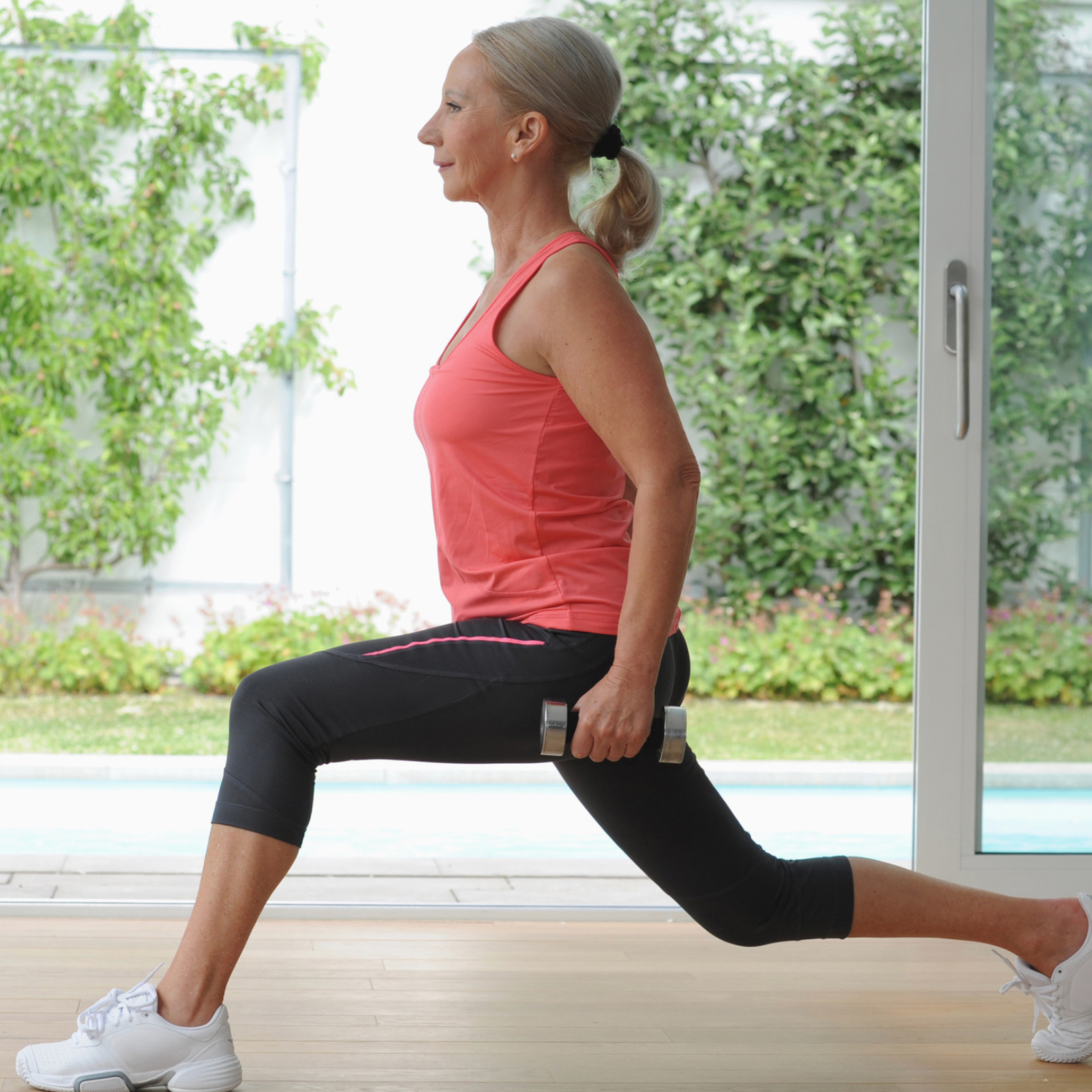
There are three main types of exercise: aerobic exercise, such as walking or biking; flexibility exercise or stretching; and strength or resistance exercise, like lifting weights or doing push-ups. Each type offers different benefits.
Exercise recommendations: Who they’re for and what they mean
The guidelines and recommendations below are written for exercise, not physical activity in general. To meet your personal goals, like getting stronger or losing weight, you do a specific type of exercise in a specific way. Once you know your goals, you can use the recommendations to build a routine that helps you achieve them.
The exercise recommendations for people with a history of cancer were developed by the American Cancer Society and the American College of Sports Medicine and are echoed in the American Society of Clinical Oncology's exercise guidelines. They say people with a history of cancer should do:
150 minutes per week of moderate-intensity aerobic exercise, or 75 minutes a week of vigorous intensity, or a combination of both
resistance exercise at least two non-consecutive days a week (resistance exercise is anything that makes your muscles work against resistance — body weight, bands, dumbbells, or anything with some load to it; if your muscles are working against something, it counts)
flexibility exercise at least two days a week
The recommendations apply to people working to prevent breast cancer, people in active treatment, or people living with metastatic breast cancer.
The goal targets stay the same. What changes is how you achieve the goals. What you do on any given day is tailored to your specific situation. The exercise you do and how hard you push yourself should take into account the treatments you’re on, any side effects you’re having, and your energy level.
What do the target numbers actually mean?
“Moderate intensity” and "150 minutes" can sound abstract until you translate them into something you can actually do. The chart below offers some options for doing the recommended amount of exercise per week. RPE stands for “rate of perceived exertion.” It goes from zero to 10, with zero meaning you’re sitting still and 10 is your max effort. An RPE of 5 to 6 means you’re breathing slightly heavier than when resting, but you can still carry on a conversation. An RPE of 7 to 8 means you have to focus on what you’re doing and when you talk, it’s broken into short phrases because you’re working harder than you are at an RPE of 5 to 6.
Here’s a sample week of exercise at different levels designed to meet the target numbers.
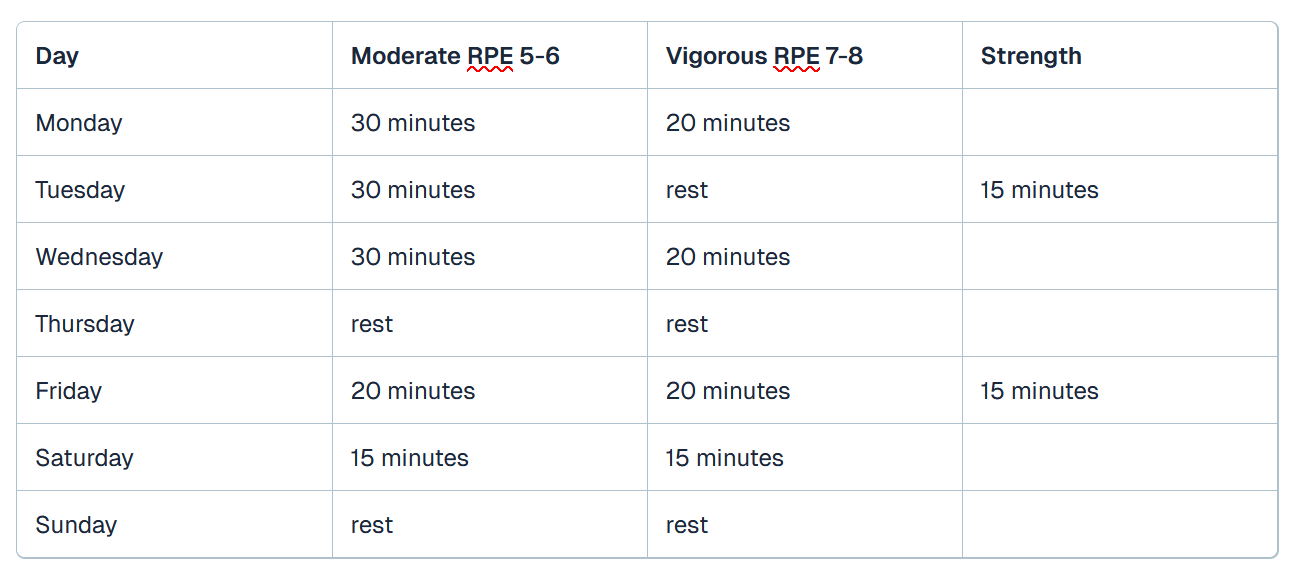
If you follow the moderate column, you total 150 minutes a week. Follow the vigorous column, and your total is 75 minutes. But you don't have to pick one intensity and stay in it.
Many people mix intensities throughout the week — a moderate walk on lower-energy days, a more vigorous session when they're feeling strong. If you do mix intensities, know that vigorous minutes count double toward your weekly total. So about one minute of vigorous exercise equals two minutes of moderate exercise. So two 20-minute vigorous sessions plus three 30-minute moderate walks add up to about 130 moderate minutes a week.
Starting a resistance exercise program
Most people are familiar with aerobic exercise, like walking, jogging, and biking. But resistance exercise can be intimidating for some people. It’s not about lifting heavy or training like an athlete — it's about making daily life easier. So you can feel confident carrying groceries, getting up from the floor, and climbing stairs. You don't need a gym, a complicated plan, or the perfect program. You need a simple, realistic routine you can repeat.
Here are some tips to help you get started.
Prioritize large muscle groups first. Try movements that use more than one joint at once, like a sit-to-stand, a countertop push-up, or a step onto a low stair. These give you more benefit for the energy you spend than isolating one small muscle at a time.
Start small. Start by trying to do one or two sets of eight to 10 reps (or about 45 seconds) of three to five exercises three days a week. The goal at this stage isn't to tire you out; it's to increase your range of motion and get your body moving.
Let your starting point be your starting point. If you're new to resistance training, or returning after time away, expect lighter loads, some awkwardness, and range of motion or balance that feels a little off at first. That's normal, and it improves quickly.
Consistency beats intensity. Even a few minutes counts. The first month is often the hardest and the most rewarding — the only goal during that phase is to keep showing up.
Expect discomfort, not pain. Some newness — soreness, uncertainty, feeling a little awkward — is part of building something new. That's different from pain, which is your body's real stop signal.
Exercising safely
Exercise — before, during, and after treatment — offers many benefits, but it’s important to exercise safely, especially during treatment or if you have breast cancer that has spread to the bones.
The experts at the American College of Sports Medicine (ACSM) say that exercise is safe during and after all breast cancer treatments, as long as you take any needed precautions and keep the intensity low. The ACSM brings together exercise oncology experts so they can review research on exercise for people diagnosed with cancer, as well as research on exercise and cancer prevention.
Your ability to exercise during and after treatment, especially exercising after surgery, depends on what your overall health and physical condition was before your diagnosis. If you didn’t exercise at all before you were diagnosed, then it’s a good idea to start slowly and carefully. If you exercised regularly before your diagnosis, then scaling back a bit on your old routine may help you feel more like yourself. Either way, it’s important you have your doctor’s OK before you start exercising again.
You may want to visit a physical therapist with experience in diagnosing lymphedema for a structural evaluation before you start exercising — either after surgery or during other breast cancer treatments. Besides looking for lymphedema, a physical therapist can check for any other issues unrelated to breast cancer that may limit your ability to exercise. The physical therapist also can help you develop an exercise plan that’s right for you.
Side effects that may require exercise modifications
Until recently, if a person had a low red blood cell count (anemia) or a low platelet or white blood cell count, the advice was don't exercise. Newer research offers a more nuanced view. Treatment-related blood count changes usually call for adjusting exercise, not stopping altogether. The proper adjustment depends on your specific numbers and how you're feeling. Your care team can help you figure out the right adjustments for your situation.
But if you have severe anemia, your care team may tell you to stop exercising until it's resolved because anemia affects how well oxygen gets to your muscles. If you have low platelet counts, how low they are determines whether walking, light resistance work, or higher-intensity aerobic activity is appropriate. If your white blood cell count is low, exercise usually isn't the main concern, infection exposure is. Home-based exercise or a session with your own equipment away from crowds is often OK. A fever or signs of infection, not the count itself, is the real signal to stop and call your doctor.
If your coordination or balance has been affected by treatment (called ataxia by doctors), that's a reason to modify how you exercise. Seated or supported movements, working with a physical therapist, and avoiding unstable surfaces are good modifications.
Importantly, if you have any shortness of breath, pain, or tightness in your chest, stop exercising immediately and tell your doctor. Your doctor needs to know so you can build a plan around it.
When to seek supervised support
In most cases, you can exercise on your own. But there are a few signs that signal you need professional support, including
pain, especially pain that gets worse with movement
new or worsening swelling
tiredness that feels excessive, more than you'd expect for what you actually did
new or progressing bone metastases
feeling uncertain or uncomfortable about where to start
You can ask your care team for a referral to a rehabilitation specialist. Rehab isn't just about recovering something you've lost. Most rehabilitation therapists are trained not only to help you regain function, but to help you get stronger from wherever you're starting.
Supervised or small-group exercise classes offer more benefits than just the physical. They help build a routine, plus being part of a group brings motivation and accountability that's hard to replicate exercising alone. If you're on the fence about whether you need this kind of support, know that the emotional and social side of guided exercise is real, not just nice to have.
Finding a certified trainer
If you’re planning to exercise during or after breast cancer treatment — especially strength training — you may want to work out with:
a certified trainer with experience working with people diagnosed with breast cancer
a physical therapist trained in lymphedema diagnosis and management
A qualified trainer can help you start slowly, explain which precautions you need to take, and push you enough but not too much.
It’s important to make sure your trainer is certified by a national organization. There are a few well-known, respected organizations, including the American College of Sports Medicine, the National Academy of Sports Medicine, and the American Council on Exercise.
A trainer who is certified in cancer exercise training by the American College of Sports Medicine has done additional work with people who’ve been diagnosed with cancer. The American College of Sports Medicine’s cancer and exercise training program prepares trainers to understand how cancer therapy — especially surgery and chemotherapy — can increase the risk of injury and other complications, such as lymphedema. The organization also offers an exercise program directory you can use to search for a certified cancer exercise trainer and exercise and rehabilitation programs specifically for cancer survivors via its Moving Through Cancer program. For best results, put in only your two-letter state abbreviation.
Although a college degree isn’t necessary to be a good trainer, it’s helpful to have a degree in a field related to exercise physiology.
Here are some questions you may want to ask a potential trainer:
Have you worked with people diagnosed with breast cancer before?
Are you certified? If so, which organization is your certification from?
Are you certified in cancer exercise training?
May I have the names of three of your current clients as references?

Exercise resource guide
Here are some helpful resources that may help as you put together an exercise plan to review with your doctor before getting started.
Exercises after breast surgery
The American Cancer Society offers a list of exercises that people diagnosed with breast cancer can do in the first three to seven days after surgery. Each exercise has an accompanying illustration.
Guidelines for cancer prevention
The American Cancer Society releases updated nutrition and physical activity guidelines every five years. The organization includes a detailed summary of the guidelines, as well as a link to the full guidelines written for health professionals.
Exercise programs at the YMCA
LIVESTRONG at the YMCA is a 12-week, small group exercise program for adults who’ve been diagnosed with cancer. The program is in more than 791 YMCA locations. You can learn more about the program and how you can bring LIVESTRONG to your local YMCA.
Feeling comfortable at the gym
Athleta brand ambassador Kimberly Irvine helped to design a mastectomy sports bra and shared what the experience taught her about the role of self-esteem in living a healthy and active life.
Episodes of The Breastcancer.org Podcast on exercise